
 EN
EN
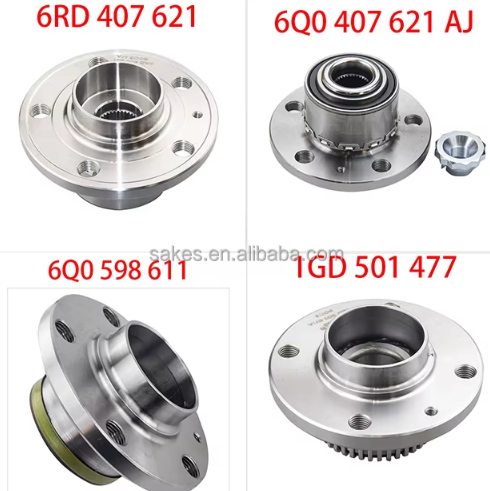
Visual Inspection of the Car Wheel Hub Assembly
Identify Rust, Corrosion, and Debris Build-Up on the Car Wheel Hub Surface
Look at the outside of the wheel hub for signs of rust streaks, pits, or flakes, particularly around the mounting areas and flange since these spots tend to collect moisture. When gravel, brake dust, or road salt gets stuck between the hub and brake parts, it speeds up wear over time. Just give those areas a good blast with compressed air to clear things out. If corrosion covers most of the hub face (say, about a quarter or more), then structural strength becomes compromised and replacement makes sense. Don't forget to check hubs thoroughly after driving through water puddles, snow, or where they've been exposed to those chemical deicers on roads.
Check for Grease Leaks as a Key Indicator of Car Wheel Hub Seal Failure
Check the rear of the hub and look at the spindle area for any dark, sticky stuff near the seal. When there's actual fluid coming out, that means the seal is breaking down and letting dirt get into the bearings. Take a good look at both sides of the component too. If one side leaks more than the other, it usually points to something being off alignment or installed incorrectly. Now, don't confuse a small amount of moisture on the surface with serious dripping. The latter needs attention right away before the bearings become contaminated beyond repair. A little leak might be manageable, but when it starts running freely, that's when problems really start stacking up.
Detect Heat Discoloration, Scoring, or Metal Shavings Around Bearings and Races
When inspecting components, check for any blue or purple discoloration on the hub face or around the bearing races. This color change is often an indicator that something has gotten too hot, usually from either too much friction between parts or not enough lubricant getting where it needs to go. If there's scoring on these surfaces that goes beyond about half a millimeter deep, then we're looking at serious bearing wear which increases the chance of things seizing up completely. For checking what's going on inside, grab a magnetic pickup tool and sweep it around the area near the ABS sensor location. Any metal bits collected should be examined closely. Pieces bigger than roughly one millimeter in size typically mean there's been considerable damage happening internally within those components. Don't forget to take clear pictures of all these observations right now while everything still looks the way it does, making sure each photo gets properly dated so when putting everything back together later, we can reference exactly what condition things were in before disassembly.
Physical Assessment: Testing Car Wheel Hub Play and Structural Integrity
Perform the Shake-and-Wiggle Test to Detect Excessive Car Wheel Hub Play
First things first, always make sure the car is properly lifted and resting securely on jack stands before proceeding. Hold onto the wheel at those 3 and 9 o'clock spots, give it a good side to side push and watch closely for any movement coming from the hub area. Don't forget to check again at the top and bottom positions too. If there's more than about 1/8 inch (roughly 3.2 mm) of wiggle room, that usually means something's wrong with the bearings, maybe they're worn out or not tightened correctly. According to industry standards set by SAE J2570, even this small amount of play can cause tires to wear unevenly by as much as 40 percent and really mess with how the steering feels. The good news? Detecting this issue early catches over 90% of potential bearing problems long before they turn into serious accidents down the road.
Inspect Spindle and Mounting Surfaces for Wear Grooves, Pitting, or Scorching
Use bright lighting and a mechanicâs mirror to examine the spindle shaft and hub mating surfaces. Focus on three failure signatures:
- Grooves deeper than 0.5 mm, caused by bearing race migration
- Pitting exceeding 30% surface coverageâcrater-like corrosion that undermines load distribution
- Scorching, identified by blue/purple discoloration, indicating thermal overload
These defects can reduce load-bearing capacity by up to 70% and induce resonant vibrations. Verify measurements against OEM tolerances using digital calipers or micrometers; any deviation beyond factory specifications requires immediate component replacement to maintain wheel retention safety.
Operational Diagnosis: Identifying Car Wheel Hub Issues Through Sound and Vibration
Operational symptoms during driving provide real-world validation of hub health. Early detection of abnormal noises and vibrations helps avoid costly secondary damage and ensures continued safe operation.
Listen for Grinding, Humming, or Clicking Noises Linked to Car Wheel Hub Bearing Wear
Worn bearings produce characteristic sounds tied to specific mechanical faults:
- Grinding: Signals metal-on-metal contact from lubricant breakdown or contamination
- Humming or rumbling: Often intensifies in turns and suggests raceway deformation or spall damage
- Clicking or popping: Typically indicates fractured cage elements or roller fragmentation
According to data from the National Highway Traffic Safety Administration (NHTSA) and Bosch Diagnostics, 65% of hub-related failures begin with audible warnings that progressively worsen with speedâand noise typically amplifies when steering away from the affected side due to increased load transfer.
Correlate Steering Vibration and Road Roughness with Car Wheel Hub Run-Out and Internal Damage
Vibration patterns offer diagnostic clues about underlying geometry or bearing issues:
| Symptom | Likely Cause | Speed Correlation |
|---|---|---|
| Steering wheel shimmy | Excessive hub run-out (>0.05 mm) | Worsens above 50 km/h |
| Floorboard vibration | Bearing spall or brinelling | Present at all speeds |
| Intermittent judder | Warped or distorted mounting flange | Peaks during acceleration or deceleration |
Vibrations mimicking ârough roadâ sensations often stem from internal bearing damage altering rotational symmetryâdistorting wheel centering and inducing harmonic resonance through the chassis.
Validation and Decision-Making: Interpreting Findings Against OEM Standards
Once done with checking the wheel hub visually, physically, and operationally, make sure to check everything against what the car maker actually specifies, not just general rules. The amount of play in the hub should stay within factory limits, usually around 0.005 inches or 0.127 mm for regular cars. Use proper tools like chassis ears to test for noises, and look at things like rust depth, scoring marks, or heat color changes compared to what's allowed in service manuals. When any measurement goes beyond what the manufacturer allows—for instance if the hub wobbles more than 0.002 inches (about 0.05 mm) or heat damage reaches past the bearing area—the part needs replacing right away without question. For those tricky situations where it's close but not clearly bad, check through the technical service bulletins from the OEM. These often mention specific problems with certain models, like seals breaking down faster in humid areas or bearings wearing out quicker on particular axles. Following this method removes guesswork and keeps repairs up to the same standards they would be at when the car rolled off the production line.
FAQ
What are common indicators of wheel hub assembly failure?
Common indicators include corrosion on the hub surface, grease leaks indicating seal failure, heat discoloration, scoring, or metal shavings around bearings and races, and operational symptoms like grinding, humming, or clicking noises.
How do you test for excessive hub play?
A shake-and-wiggle test can be performed by lifting the car, securing it on jack stands, and then shaking the wheel at various positions to check for movement exceeding 1/8 inch, which may indicate bearing issues.
What sounds suggest wheel hub bearing wear?
Grinding sounds can suggest metal-on-metal contact, humming or rumbling often indicates raceway deformation, and clicking or popping points to fractured cage elements or roller fragmentation.