
 EN
EN
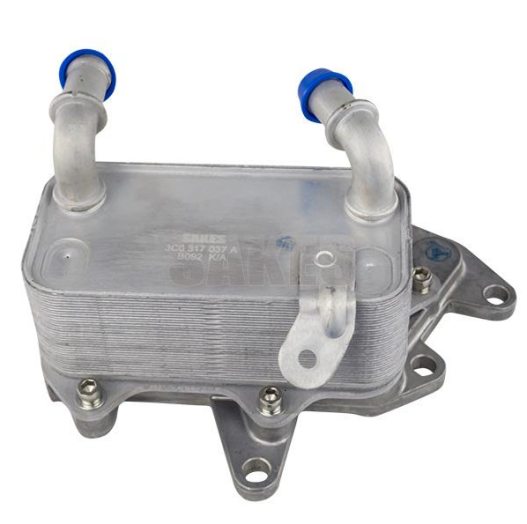
Understanding Oil Coolers and Their Role in Engine Performance
How Engine Oil Coolers Work and Their Role in Temperature Regulation
Oil coolers act as heat exchangers that move extra heat away from engine oil, either through coolant or by using outside air. Keeping oil temps around 40 to 60 degrees Celsius (about 104 to 140 Fahrenheit) is really important because when oil gets too hot, it starts losing its ability to protect engine parts. Once oil hits over 120 degrees Celsius (around 248 Fahrenheit), studies show it can lose nearly half its lubrication power in just a few hours. That's bad news for engines. Most modern oil coolers use special designs with lots of surface area - think fins on tubes or plates stacked together - so they can get rid of heat quickly. These features become especially valuable when engines are working hard, like when pulling heavy loads or driving at highway speeds for long periods.
Importance of Maintaining Optimal Engine Oil Temperature for Performance and Longevity
Stable oil temperatures are essential for engine efficiency and component durability. Engines operating within the ideal temperature window experience:
- 30% less wear on bearings and pistons
- 5–7% better fuel efficiency due to reduced friction
- 2–3x longer oil change intervals
When oil gets hotter than around 95 degrees Celsius (that's about 203 Fahrenheit), it starts losing viscosity which weakens the protective film between moving parts. This can cause direct metal contact in stress points such as camshaft bearings. On the flip side, when temperatures drop below 15°C (roughly 59°F), engines suffer much worse wear during startup - studies suggest something like an 80% increase in damage risk. The good news is modern synthetics work better under these conditions, especially when paired with proper cooling solutions. A recent look at thermal management from last year shows how these combinations keep engine performance steady even when weather takes unexpected turns.
Common Oil Cooler Problems and Early Warning Signs
Signs of a Failing Oil Cooler: High Oil Temperatures, Pressure Drops, and Contamination
When an oil cooler starts going bad, there are usually three main signs to watch for: rising oil temperatures, inconsistent pressure readings, and contamination issues. If oil stays hot for long periods over around 240 degrees Fahrenheit, this can cause the oil to lose its thickness faster and not protect engine parts as well. Most mechanics will tell you that when pressure falls below 20 psi while idling or drops to about 45 psi when driving hard, something is probably blocking the flow somewhere inside the system. Finding metal bits in oil samples means components like turbochargers and bearings are wearing down quicker than normal. According to recent research on truck maintenance from last year, nearly seven out of ten breakdowns linked to faulty oil coolers actually started because drivers simply didn't pay attention to those early warning signs about pressure problems.
Frequent Issues Like Leaks, Clogs, and Reduced Cooling Efficiency
Leakage problems happen more often than anything else, and around 40 percent of these issues come down to old worn out seals or tubes that have developed cracks over time. When coolant gets mixed in with engine oil, it leaves behind that telltale milky stuff we all know too well on our dipsticks, which typically means those internal baffles inside the system have given way. Then there's the whole mess of sludge build up and carbon deposits clogging things up. These blockages can really cut into cooling performance sometimes knocking it down by nearly two thirds. The result? Engines end up running anywhere from ten to fifteen degrees hotter than they should be according to specs, which isn't good news for anyone driving these machines day after day.
Risks of Overheated or Underheated Engine Oil on System Performance
When oil gets too hot, above about 250 degrees Fahrenheit (around 121 Celsius), it breaks down those helpful additives at roughly four times the normal rate. On the flip side, if the temperature drops below 194°F (about 90°C), water just sits there in the oil instead of evaporating properly, which creates all sorts of sludge problems. Studies indicate that engines with bad oil cooler regulation end up with about 23 percent more cylinder wear than ones keeping their oil between roughly 203 and 230°F (95 to 110°C). And let's not forget what happens when things get too hot for too long either. The oil starts to carbonize, which is basically a fancy term for when it turns into this gunk that clogs up piston rings and causes serious issues with the entire valve train system.
Routine Maintenance Practices for Long-Term Oil Cooler Health
Scheduled Inspections and Visual Checks for Leaks or Damage
Regular visual inspections are vital for early detection. Check for oil residue around fittings, bent or corroded fins, and housing cracks—all signs of potential leaks or structural compromise. Industry data indicates 68% of oil cooler failures stem from minor leaks that worsen over time when left unaddressed.
Flushing and Cleaning Techniques to Remove Sludge and Debris
Periodic flushing with manufacturer-approved cleaning agents prevents internal sludge buildup. For heavily contaminated units, high-pressure air clears external debris, while ultrasonic cleaning effectively removes stubborn deposits from internal passages. Avoid abrasive tools that could scratch critical heat-transfer surfaces.
Best Practices for Maintaining Peak Oil Cooler Efficiency
Pair routine inspections with oil analysis every 15,000 miles to detect contaminants before they reach the cooler. Always use OEM-specified viscosity grades and avoid mixing synthetic and conventional oils unless approved. These practices support consistent thermal regulation and can extend service intervals by 20–40%, based on fleet testing.
Special Maintenance Needs Under Extreme Driving Conditions
When Oil Coolers Are Essential: Towing, Off-Roading, and Track Driving
Oil coolers are indispensable during high-load activities such as towing, off-roading, or track use. These conditions increase engine thermal load by 15–30% compared to normal driving. For example, towing a 7,000-pound trailer can raise oil temperatures by 40–60°F above baseline, demanding robust cooling to prevent viscosity breakdown and premature wear.
How High-Stress Conditions Affect Oil Cooler Performance and Maintenance Frequency
Harsh operating conditions really speed up component wear. When vehicles go off road, dust and dirt particles build up about three times more than normal, which gets stuck in cooling fins and cuts down system efficiency by almost half after just 5,000 miles driven. Racing on tracks creates brief temperature surges over 280 degrees Fahrenheit that actually weaken materials over time through repeated heating and cooling cycles. According to findings from last year's fluid degradation study, mechanics should check systems between every 3,000 to 5,000 miles when subjected to tough usage because these extreme temperature changes cause seals and solder connections to break down around 60 percent quicker compared to regular driving conditions.
Benefits of Proper Oil Cooler Maintenance for Vehicle Performance
Extended Engine Life and Improved Reliability Through Stable Oil Temperatures
Regular maintenance of oil coolers stops oil from breaking down due to heat, which can actually make engines last about 25 to 30 percent longer based on research with heavy duty engines. When we keep oil temperatures under 240 degrees Fahrenheit or around 116 Celsius, it maintains the right thickness for proper lubrication and reduces wear on important parts inside the engine block. The result? More dependable performance overall. Many truck owners and enthusiasts report getting over 200 thousand miles out of their vehicles without needing big repairs, something that wasn't common just a few years ago when people didn't pay as much attention to cooling systems.
Enhanced Fuel Efficiency and Reduced Long-Term Repair Costs
Keeping coolers in good shape helps maintain proper oil thickness, which cuts down on friction losses somewhere around 12 percent and makes cars run better on city streets where stop-and-go traffic is common. When systems stay clean and work right, expensive breakdowns get avoided. Problems with cooling systems often cause serious trouble like damaged turbochargers or engines running low on oil, repairs that typically cost between one thousand two hundred and two thousand five hundred dollars. Regular maintenance stops sludge buildup and oil leaks before they happen, protecting important engine components including timing chains and those hydraulic lifters that keep everything running smoothly inside the engine block.
Table of Contents
- Understanding Oil Coolers and Their Role in Engine Performance
- Common Oil Cooler Problems and Early Warning Signs
- Routine Maintenance Practices for Long-Term Oil Cooler Health
- Special Maintenance Needs Under Extreme Driving Conditions
- Benefits of Proper Oil Cooler Maintenance for Vehicle Performance