
 EN
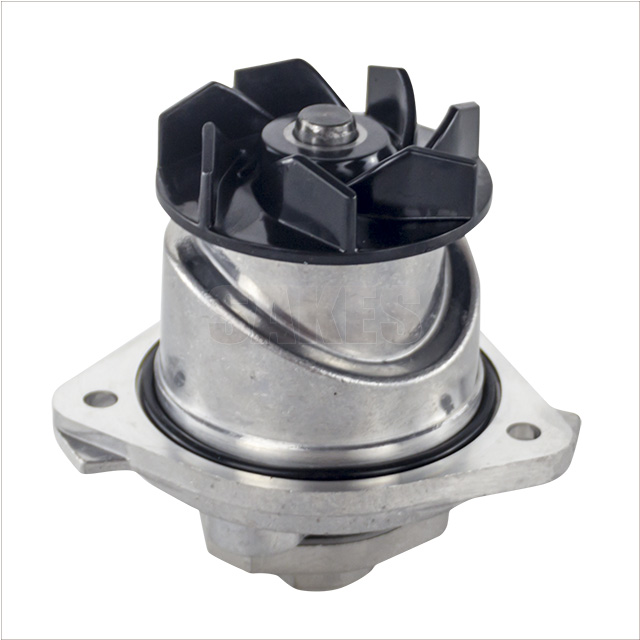
Confirm Vehicle-Specific Compatibility First
Why VIN and Year-Make-Model Are Essential for Accurate Car Water Pump Selection
A car water pump may look identical across trims, but casting depth, pulley offset, and inlet diameter often change by production window. The 17-character Vehicle Identification Number (VIN) is the most precise fitment key—it encodes engine code, model year, assembly plant, and serial range. Year-make-model alone misses mid-year splits: for example, a 2016 model built before September may use a press-fit impeller, while later builds use a bolted hub. This difference changes the pump’s nose length and pulley alignment. Industry parts data shows VIN-decoded searches reduce water pump returns more than year-make-model lookups alone—especially for turbocharged or hybrid variants. Always read the VIN from the dashboard, door jamb label, or vehicle title before ordering. Record the exact production date, engine designation, and factory options such as heavy-duty cooling. If the VIN is unavailable, use the full year, make, model, submodel, drivetrain, and emission package to narrow the search. Never rely solely on an online photo—visually similar pumps may have different gasket surfaces or housing bolt patterns.
Cross-Referencing OEM Part Numbers with Trusted Aftermarket Databases
Start with the OEM part number stamped on the removed pump housing or printed on its metal tag. Enter that number into at least two independent aftermarket databases—these track supersessions, interchange, and discontinued stock. Cross-referencing is essential because water pump designs receive running changes: a suffix shift from A to B may indicate a revised seal, different impeller material, or relocated weep hole. The database should list only direct-fit aftermarket replacements—not universal parts. Verify listed dimensions against your original unit: outside diameter, hub height, and bolt hole count. Also confirm rotation direction and pulley groove count if belt-driven. When databases conflict, prioritize the part number matching both the OEM stamping and your VIN-derived production date. Trusted databases include engine family and build-range qualifiers like “early production through 02/2017.” Avoid sellers who paste unverified interchange tables; mismatched part numbers risk coolant loss and engine overheating.
Match the Car Water Pump to Engine Architecture and Generation
Engine Code Decoding: Why 2GR-FE and 2GR-FKS Require Different Car Water Pumps
Engine codes reveal critical design differences beyond displacement. Though the 2GR-FE and 2GR-FKS share a 3.5-liter architecture, their water pumps are not interchangeable. The 2GR-FE uses port injection and a conventional cooling map, while the 2GR-FKS adds direct injection—raising cylinder head temperatures and requiring higher-flow capacity. The 2GR-FKS also introduced a revised cooling circuit, relocated thermostat, and updated accessory drive packaging. A 2GR-FE pump typically has a shallower impeller and incompatible inlet flange, risking clearance issues or flow mismatch on the 2GR-FKS. Always verify the stamped engine code on the block—not just the model year—and cross-check it against the underhood emissions label or service manual. Then confirm the OEM part number in a trusted aftermarket database. Skipping this step risks low-flow overheating, cavitation, and front cover interference. A correct water pump must match the exact engine generation—not the vehicle nameplate alone.
Coolant Passage Design and Housing Bolt Pattern Variations Across Model Years
Even within the same engine family, coolant passage shape and water pump housing bolt patterns evolve between model years. An early-production pump may feature a round inlet neck and paper gasket, while a later version uses an oval neck and O-ring seal—differences that affect sealing integrity, hose fitment, and flow direction. Check mounting bolt count, thread pitch, and weep hole position. Visual similarity is misleading: pumps can appear identical but differ by up to 3 mm in inlet offset. Housing seals vary too—a mismatch leads to coolant leaks or belt misalignment. Always compare the old pump side-by-side with the replacement. Use the vehicle’s year, make, model, and engine code in an aftermarket catalog to confirm the exact housing pattern.
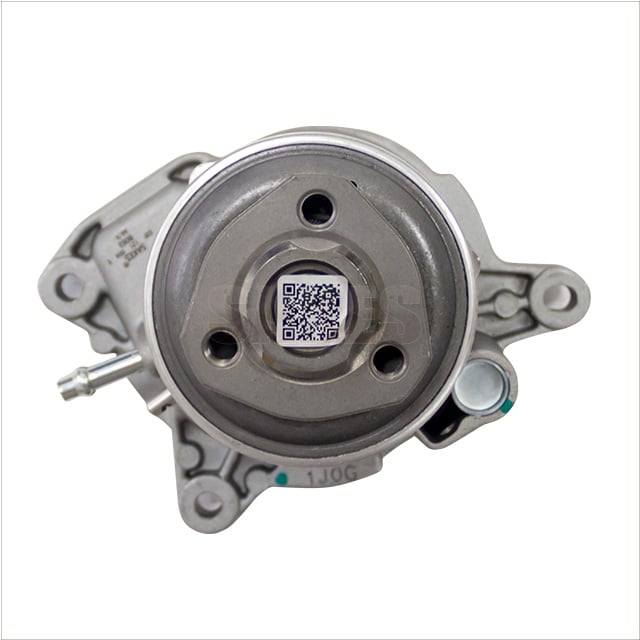
Verify Drive Mechanism, Rotation, and Mounting Requirements
Belt-Driven, Chain-Driven, and Electric Car Water Pumps: Key Differences in Load, Fitment, and Replacement
The correct water pump must match the engine’s drive architecture—not just the vehicle model. Belt-driven pumps impose radial side load on the bearing and demand precise pulley offset, belt alignment, and impeller rotation direction; reversed rotation sharply reduces coolant flow and invites overheating. Chain-driven pumps mount inside or behind the timing cover, requiring higher bolt torque and relying on the timing chain path for load distribution. Electric pumps—common in hybrids and stop-start systems—eliminate belt load but require exact connector type, control signal compatibility, and mounting flange geometry. Before replacement, compare the old unit’s drive hub height, inlet/outlet orientation, and housing bolt pattern. Even pumps sharing the same part number family may differ in rotation or mounting boss depth across model years.
FAQ
Why is it important to confirm the compatibility of a water pump using the VIN?
The Vehicle Identification Number (VIN) encodes crucial details about your car, like the engine type, model year, and assembly plant. Using the VIN ensures precise compatibility, preventing issues like mismatched parts that can lead to coolant leaks or overheating.
What should I do if the VIN is unavailable?
If the VIN is unavailable, use the full year, make, model, submodel, drivetrain, and emission package to identify the correct water pump. Avoid relying solely on photos or generic product descriptions.
Why is cross-referencing OEM part numbers important?
Cross-referencing OEM part numbers in trusted aftermarket databases ensures you purchase a direct-fit replacement. This process also helps avoid outdated or mismatched parts that could lead to engine damage.
Are all water pumps interchangeable between engine models?
No, water pumps are not necessarily interchangeable, even if engines share similar architecture. Differences in cooling requirements, coolant passages, and pulley designs make it crucial to match the water pump to the exact engine generation.
How do I verify the drive mechanism of the water pump?
Inspect the old water pump to determine if it is belt-driven, chain-driven, or electric. Match features like drive hub height, inlet/outlet orientation, and mounting bolt patterns to ensure proper fitment.