
 EN
EN
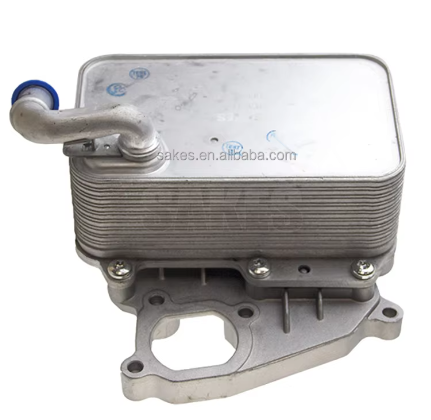
For anyone serious about cars, whether hobbyist or professional mechanic, improving the oil cooling system ranks among the top modifications for enhancing vehicle performance. When properly maintained, oil coolers keep engines running at safe temperatures, which extends engine lifespan and boosts fuel economy across the board. This article covers everything from understanding when an upgrade makes sense to exploring different models available on market today. We'll also look at factors that determine what kind of oil cooler works best depending on driving conditions and personal requirements without getting bogged down in technical jargon.
The Roles of An Oil Cooler
The oil cooler keeps engine oil at the right temperature range so the vehicle engine works correctly. Engines naturally generate heat as they operate, and without adequate cooling systems, the oil gets too hot. When this happens, the oil loses its lubricating qualities, leading to increased wear on engine parts. Over time, this causes poor performance and eventually serious engine damage. Most vehicles have fuel systems where oil plays various roles, including providing splash chunks for heating components. Oil coolers help by removing excess heat during high load periods. This protects against metal expansion and improves overall efficiency. During cooldown phases, the system converts wasted thermal energy into extra torque when needed later in the drive cycle. This process delivers better fuel economy and smoother performance across different driving conditions.
Types of Oil Coolers
Vehicles come with all sorts of different requirements when it comes to cooling systems, so manufacturers offer several types of oil coolers to match these needs. The main categories include air cooled, liquid cooled, and oil to water coolers. Air cooled systems work by directing airflow over the cooler to dissipate heat, which makes them great for performance cars where adding extra plumbing isn't feasible. For everyday drivers facing varied road conditions, liquid cooled systems keep motor oil at optimal temperatures through existing coolant circuits in the vehicle. Then there's the oil to water cooler option, which takes up minimal space since it integrates directly into the engine's existing cooling infrastructure. These compact units are particularly useful in tight engine compartments where room is at a premium.
Benefits of Upgrading Your Oil Cooler
Upgrading to a better oil cooler brings some real benefits worth considering. When oil stays at just the right temperature, it flows much better through the engine, which means less chance of parts getting damaged over time. This makes sense because engines last longer when they don't have to fight against excessive heat buildup. Think about all those vital components working hard during tough jobs like hauling heavy loads or racing around tracks. With proper cooling, these parts simply don't get as hot, so they stay intact for many more miles. Another bonus? Engines run smoother overall once temperatures are properly managed. Drivers actually notice better gas mileage too after their vehicles have gone through intense driving sessions. That's why serious enthusiasts and truck owners always install good quality oil coolers first thing when modifying their machines for performance.
When picking out an oil cooler, several things matter including what kind of vehicle we're talking about, how it gets driven day to day, and what kind of performance someone actually wants from their setup. Looking at engine specs makes sense obviously, but don't forget about potential heat generation too since this affects whether something will fit right. Good heat transfer capability is important obviously, but so is making sure whatever gets installed works with what's already there in terms of cooling systems. The materials used in construction definitely count for something as well. For those serious about getting the best results, talking shop with experts or doing some serious homework ahead of time tends to lead to better choices in the long run.
Industry Trends and Innovations
The automotive world is seeing a real shift toward smaller oil coolers that don't sacrifice performance. Recent advances have made these components much better at getting rid of excess heat thanks to new materials and smarter design approaches. What's interesting is how electric and hybrid cars are pushing this even further. These vehicles require completely different cooling strategies that many manufacturers haven't quite figured out yet. When engineers incorporate these latest oil cooler tech into their designs, it actually opens doors for improvements across multiple systems in modern vehicles, from engine management to overall thermal regulation.