
 EN
EN
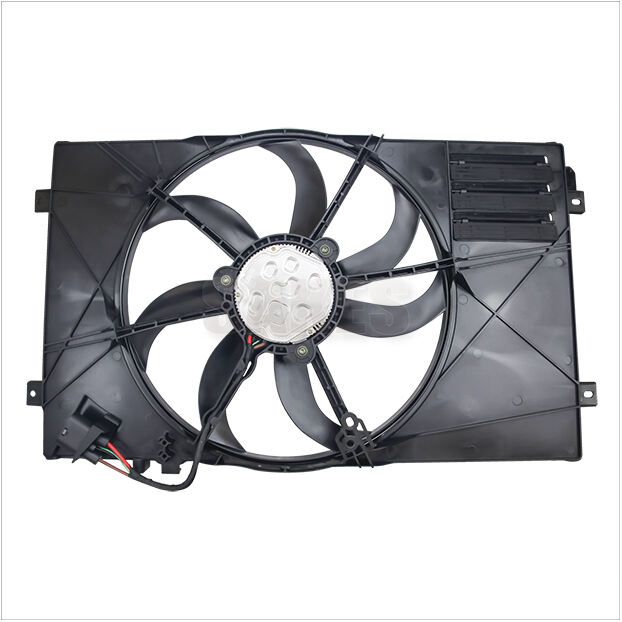
The cooling system is the lifeblood of any internal combustion engine, and at the heart of this system lies the radiator fan. While often overlooked, this component plays a critical role in maintaining optimal engine temperature, especially during low-speed driving or idling when there is insufficient natural airflow. An inefficient or failing radiator fan can lead to overheating, reduced engine performance, and potential long-term damage. Upgrading to a high-performance radiator fan is a proactive measure that can significantly enhance cooling efficiency, engine reliability, and overall vehicle performance. This article explores the key benefits of upgrading your radiator fan and what to consider for a successful installation.
The Critical Role of the Radiator Fan
The primary function of the radiator fan is to pull or push air through the radiator core. This airflow is essential for dissipating the heat that the coolant has absorbed from the engine. When a vehicle is moving, ram air from the forward motion typically provides adequate cooling. However, when the vehicle is stationary or moving slowly, the fan becomes indispensable. It ensures that heat exchange occurs efficiently, preventing the coolant temperature from rising to dangerous levels. A robust fan is crucial for maintaining a stable engine temperature under all operating conditions, from city traffic jams to demanding off road crawls.
Signs Your Radiator Fan Needs an Upgrade
Several indicators suggest that your radiator fan may be underperforming and require an upgrade. The most obvious sign is the engine temperature gauge creeping into the red zone during idle or low-speed operation. You may also notice reduced air conditioning performance, as the A/C condenser often relies on the same fan for cooling. Unusual noises, such as grinding or wobbling sounds from the fan assembly, point to bearing wear or blade damage. If the fan motor fails to activate when the engine is hot or runs at only one speed on a variable-speed system, it is a clear signal that an upgrade should be considered to prevent overheating.
Advantages of High Performance Aftermarket Fans
Upgrading from a stock radiator fan to a high-performance aftermarket unit offers several compelling advantages. Modern aftermarket fans, particularly high-quality electric models, are designed for superior airflow efficiency. They often feature advanced blade designs that move a higher volume of air (measured in CFM - Cubic Feet per Minute) while drawing less electrical power. This results in more effective cooling and reduced strain on the vehicle's charging system. Furthermore, many upgraded fans are lighter than their stock counterparts, which can contribute to a minor reduction in overall vehicle weight. Their improved reliability and durability also provide greater peace of mind.
Choosing Between Electric and Mechanical Fans
A significant decision in the upgrade process is choosing between an electric fan conversion and a heavy-duty mechanical fan. Traditional mechanical fans are clutched and driven directly by the engine's crankshaft, which can consume a notable amount of horsepower, especially at higher RPMs. Converting to an electric fan setup eliminates this parasitic loss, freeing up horsepower and potentially improving fuel economy. Electric fans are also more controllable; they can be programmed to turn on only when needed, providing more consistent engine temperatures. For most modern vehicles and performance applications, a well-chosen electric fan kit is the preferred upgrade path.
Key Specifications for Selecting a New Fan
Selecting the right fan involves reviewing key specifications to ensure compatibility and performance. The most critical metric is airflow, measured in CFM. Match the fan's CFM rating to your engine's cooling requirements, considering factors like engine size, power output, and typical operating conditions. The physical dimensions of the fan shroud and motor depth are also vital to ensure a proper fit within your engine bay without interfering with other components like the water pump pulley or radiator hoses. Additionally, check the electrical requirements, such as amperage draw, to ensure your vehicle's alternator and wiring can support the new fan without overloading the system.
The Importance of Proper Installation
A successful upgrade hinges on proper installation. This involves more than just bolting on a new fan. It is crucial to ensure a tight seal between the fan shroud and the radiator to prevent air from bypassing the core, which would drastically reduce efficiency. All electrical connections must be secure, properly insulated, and protected with an appropriately sized fuse and relay. The relay should be triggered by a switched power source, often the vehicle's existing coolant temperature sensor or a separate thermostatic switch. A clean and professional installation will guarantee that the new fan operates reliably and delivers its full performance benefits.
Conclusion
Upgrading your radiator fan is a cost-effective and intelligent modification that directly contributes to the health and performance of your engine. By providing superior cooling capacity, especially in demanding situations, a high-performance fan protects your investment from the dangers of overheating. Whether you are tackling a performance build, preparing for heavy-duty towing, or simply seeking greater reliability for daily driving, investing in a quality radiator fan upgrade is a decision that pays dividends in engine longevity and driving confidence. Carefully select a fan that meets your vehicle's specific needs and prioritize a correct installation for optimal results.