
 EN
EN
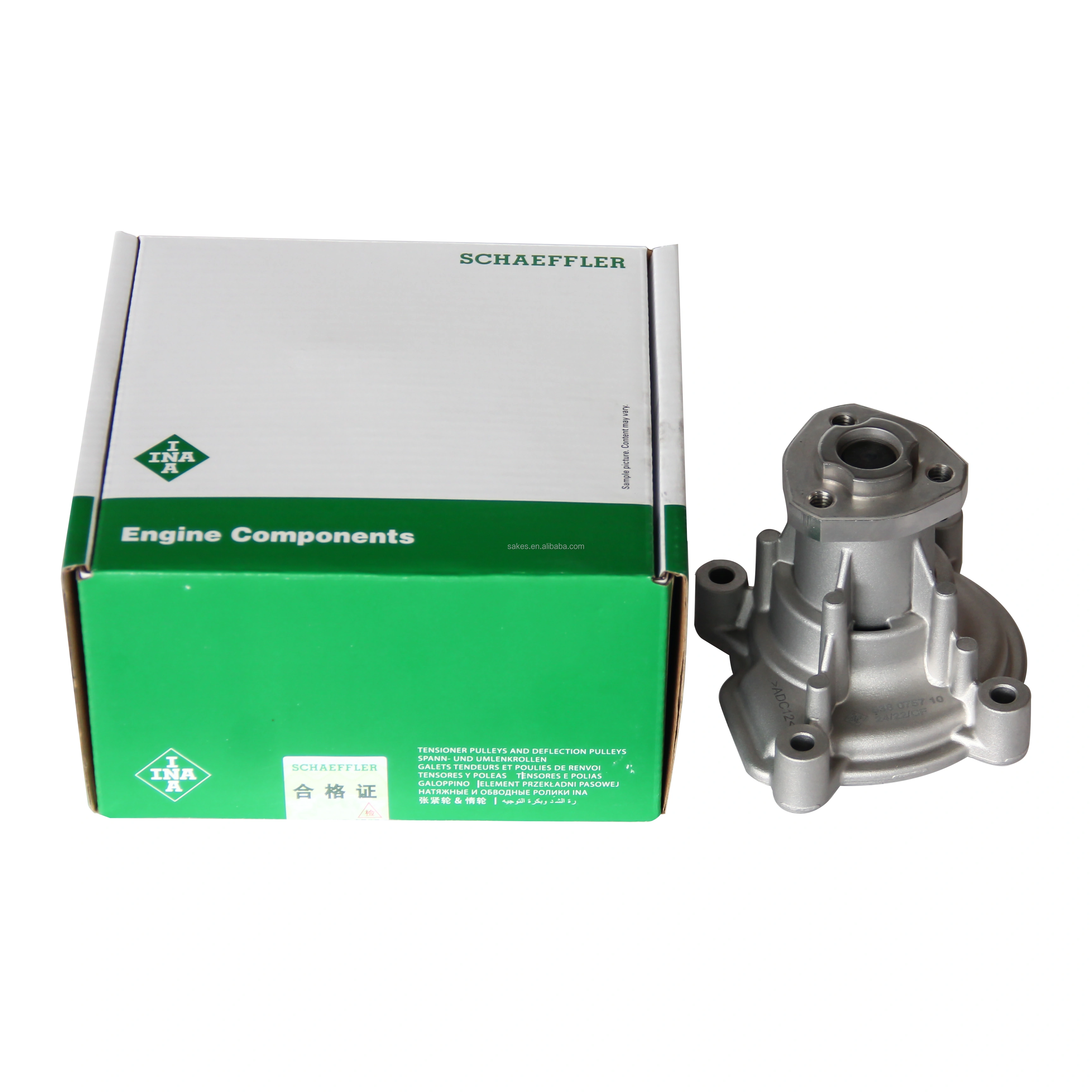
Real-World Lesson From a Failed Cooling System
A delivery fleet running 2015 vans lost three engines in one summer. Each failure traced to a car water pump that had run past its service window. Drivers reported a faint whine at idle, then a temperature warning, then steam. The root cause was not the pump alone. The coolant had never been replaced on schedule, so silicates dropped out and abrasion accelerated seal wear. That story repeats across shops: the car water pump rarely fails alone, it fails inside a neglected cooling system. Routine attention costs far less than a warped head.
What the Whine Actually Means
A high-pitched noise near the timing cover usually signals bearing distress inside the pump. The bearing supports the impeller shaft, and once grease breaks down, radial play grows. Play lets the seal leak. A car water pump with a leaking weep hole has already started its countdown. Catching the sound early turns a planned replacement into a thirty-minute job instead of a roadside tow.
Coolant Is the Pump's Working Fluid
Many treat coolant as a freeze protector only. It also lubricates the mechanical seal and buffers the alloy housing against cavitation. Old coolant turns acidic and eats the seal face. A car water pump lives or dies on fluid chemistry, not just metal quality.
Risk Analysis: What Breaks and Why
Overheating Cascades
Cum una pompa cessat aquam movēre, calor in minūtīs accumulātur. Capitēs ex allūminio expanduntur, iunctūrae capitum rumpuntur, et distōrtiō sequitur. Pompa aquae automobilis in medio huius catēnae sedet. Unicus thermostātus obstātus pumpam sānam supercārget, itaque diagnōsis totum circuitum inspicere dēbet.
Onus cinguli et tensoris
Plūrimae pumpae ex cingulo serpentinō operantur. Cingulum dēteriorātum labat, vectem nimis onerat, et calorem in puleyo generat. Pompa aquae automobilis substituenda est sine inspectione tensoris, quod iterātum defectum intra unam stāgionem invitat.
Analȳsis prōfessionālis: Quōmodo pompa operatur
Impeller et via fluxūs
Impeller ad velocitātem axis rotat et refrigerāns per corpus et radiātōrem proicit. Numerus, angulus et materia lamīnarum fluxum ad r.p.m. īnfimās dēfiniunt, ubi calefactiō habitāculī maxime importat. Pompa aquae automobilis praestāns impellerem aequilibrātum utitur, ut vibrātiōnēs harmonicae, quae axem fatigant, evitentur.
Designum signī et vectis
A spring-loaded mechanical seal keeps coolant away from the bearing. The bearing is a precision double-row unit greased for life. Once the seal leaks, coolant reaches the grease and the race pits. That is why a weep hole exists: it vents the first leak before it reaches the bearing.
Cavitation and Aeration
High rpm or low system pressure lets vapor bubbles form on the impeller. Collapsing bubbles erode metal. A pressurized system (13–16 psi cap) suppresses cavitation. A car water pump depends on the cap and hoses being sound.
Authority References
Automotive quality systems such as IATF 16949 and ISO 9001 govern how pumps are made and trace-checked. SAE papers document impeller flow and bearing life. Shop safety around hot coolant and belt tension falls under OSHA general-duty rules and ANSI machine-guard guidance. Coolant handling and disposal follow local environmental codes. These references set the floor for a part that must survive years of thermal cycling.
Practical Value: Care, Check, Use, Maintain
How to Select a Replacement
Match the OEM part number, not just the engine code. Confirm impeller material and pulley type. A car water pump built to IATF 16949 lines carries documented process control.
How to Inspect
Listen at idle with the hood up. Check the weep hole for dampness. Squeeze hoses for hardness. Scan live coolant temperature with a scanner. Any rising trend past 100°C under load needs action.
How to Use Correctly
Keep coolant mixed to spec and topped to the mark. Avoid long idling in traffic with the A/C on a hot day if the fan is weak. The car water pump shares load with the fan and cap.
How to Maintain
Flush on the interval in the service manual, not by color alone. Replace the belt and tensioner together. Torque the pulley bolts to spec; loose bolts fracture the hub. Record the date and mileage.
Questiones Frecventer Interrogatae
Question: How often should a car water pump be replaced?
Responsum: Multae pompae durant 90 000–150 000 km, sed intervallum pendet a cura refrigerantis et statu cinguli. Pompea aquae automobilis inspicienda est ad omnem refrigerantis curam et substituenda est, si foramen exsudans stillat aut sonus ex cingulo auditur, etiam si sub limite kilometrorum sit. In motoribus cum cingulo temporis, saepe pompa simul cum cingulo substituitur, ut labor minuatur. Praecepta fabricatoris et clima locale numerum mutant, ideo inspectiones ex statu potius quam calendarium fixum sunt praestantiores.
Quaestio: Num pompa aquae automobilis deficere potest sine stillatione?
Responsum: Ita. Arrestus cinguli aut lapsus impelleris fluxum interrumpere possunt absque stillatione externa. Pompea aquae automobilis cum impelleri corroso vel laxo fortasse volvitur, sed parum refrigerantis movet, quod lentam supercaldationem causat. Audire rugitum et observare tendentias temperaturae oportet. Quidam impelleris plastici interne franguntur et fragmenta in corpus mittunt. Defectiones sine stillatione difficilius deteguntur, quare loggatio temperaturae per scannerem eas primum detegere iuvat.
Quaestio: Num genus refrigerantis ad vitam pompae pertinet?
Responsum: Criticum. Formula falsa caret additivis quae sigillum protegunt et cavitationi resistunt. Pompea aquaria automobilis, quae ad refrigerantem acidum organicum sigillata est, cito deficiet si fluidum silicatum abundans utatur, et contra. Mixtura typorum potest gelificare et impellentem obturare. Semper sequere specificatio in manuali, saepe mixtura 50/50, et aquam destillatam utere. Chimia fluidi directe regit vitam sigilli et rotulorum.
Quaestio: Num cingulum serpentinum simul cum pompa mutandum est?
Responsum: Valde recommendatum est in unitatibus cingulo motis. Pompea aquaria automobilis cingulum serpentinum cum tenditore et aliis accessorii partibus condividit. Cingulum deficientis aut tenditor infirmus novum rotulum onerat et sonum praecocem generat. Mutatio cinguli, tenditoris, et interdum rotulae idler simul totam viam motricem restituit. Parvus pretii augmentum evitat repetitionem dissectionis post paucas hebdomades et novam pompam protegit.
Quaestio: Quis sonus indicat defectum rotulorum pompe?
Responsum: Sonus constans sibilans aut stridens in regione temporis, qui variat secundum rpm, ad dolorem cinguli indicat. Aqua automobilis pompa prope defectum saepe sonat fortius ad initium frigidum, deinde quietescit dum unctio calores capit. Stridulus metallicus sub onere est alius signum. Non confundatur cum stridore cinguli, qui variat cum aspersione aquae. Confirmare per auscultationem ad pulley et inspectionem humectationis foraminis effluentis.
Quaestio: Num excesus caloris pompa ipsam laedere potest?
Responsum: Ita. Calor durat elastomerum sigilli et expandit vas, augens ludentiam axis. Aqua automobilis pompa quae unum eventum excesus caloris superavit postea forsan stillat, quia facies sigilli fracta est. Repetitus ictus thermalis etiam impelleris vinculum infirmat. Post quemlibet gravem excesum caloris, inspicere foramen effluens, tensionem cinguli, et comportamentum temperaturae durante testu ductus, antequam rursus fidem systemati refrigerationis habere licet.
Index Contentorum
- Real-World Lesson From a Failed Cooling System
- Risk Analysis: What Breaks and Why
- Analȳsis prōfessionālis: Quōmodo pompa operatur
- Authority References
- Practical Value: Care, Check, Use, Maintain
-
Questiones Frecventer Interrogatae
- Question: How often should a car water pump be replaced?
- Quaestio: Num pompa aquae automobilis deficere potest sine stillatione?
- Quaestio: Num genus refrigerantis ad vitam pompae pertinet?
- Quaestio: Num cingulum serpentinum simul cum pompa mutandum est?
- Quaestio: Quis sonus indicat defectum rotulorum pompe?
- Quaestio: Num excesus caloris pompa ipsam laedere potest?