
 EN
EN
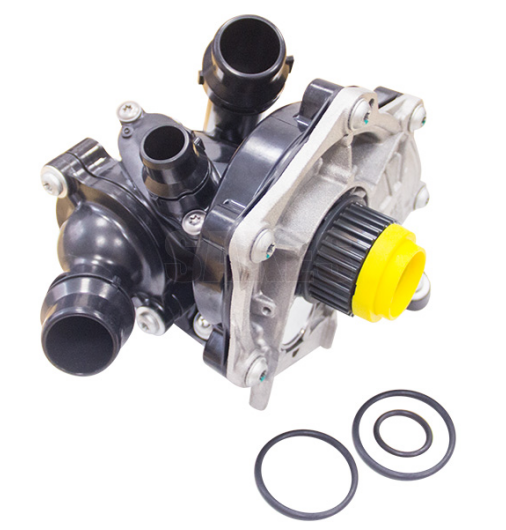
Alama Muhimu za Utaabu Kwamba Oli Separator Yako Inahitaji Kubadilishwa
Kuwa na Kuvuta Hapana Kwa Urefu na Uchafuzi wa Mfumo wa Kuvuta
Oli separator yenye matatizo mara nyingi huonyesha kwanza alama ya ustaabu kupitia kuvuta hapana kwa urefu. Unapokuwa na ustaabu, vumbi vya mafuta yasiyofiltrika vinajisikia katika mfumo wa kuvuta—kukandaa sehemu ya kuvuta (throttle body), kifungo cha udhibiti wa hewa ya kuvuta hapana (idle air control valve), na vifungo vya kuvuta. Kanda hii ya mafuta inaharibu usawiri wa hewa-na-mafuta, ikasababisha kuvuta kwa ukoma, kuvuta kwa kasi zaidi, au mabadiliko ya kasi ya mafuta (tachometer) wakati wa kuvuta hapana. Ukuwepo wa uvutaji mdogo wa hewa unafanya kitengo cha udhibiti cha injini (ECU) kujaribu kurekebisha kwa kutumia mafuta yanayotolewa kwa ukosefu wa usahihi, na kwa muda mrefu, vidonge vya kaboni vinazidi kuwa ngumu kwenye mikono ya vifungo, ikaharibu uvutaji. Kuchukua hatua mapema—kufuta mfumo wa kuvuta na kubadilisha oli separator—hurudisha uendeshaji bora. Ikiwa haichukwi, uchafuzi unaweza kusambaa hadi kwenye sensa za oksijeni na mita za uvutaji wa hewa (mass airflow meters), ikizidisha gharama za kurekebisha.
Umatumizi wa Mafuta Mengi Sana na Kuona Mafuta Katika Kondo la Kuvuta
Kujaza mafuta mara kwa mara kati ya mabadiliko ni alama ya kawaida ya kushindwa kwa kipasuo cha kugawanya mafuta. Kipasuo kilichofanya kazi vizuri kinafungua mistari ya mafuta kutoka kwa gesi za kikaburi na kuyarudisha katika chombo cha mafuta; wakati kinapokabliwa au kuvunjika, mafuta huondoka ndani ya msalaba ya uingizaji. Unaweza kuona mafuta yanayopakana wazi ndani ya kifurushi cha uingizaji au karibu na mwisho wa kufungua kivinjari—hii ni uthibitisho wa kushindwa kwa kipasuo. Kisha injini inaumia mafuta haya wakati wa kuvimba, ikazalisha mavuno ya gesi ya kuvimba yenye rangi ya bluu. Umatumizi unaweza kuongezeka hadi quart moja kwa milia 1,000 ya maili—zaidi ya kiasi cha kawaida cha quart moja kwa milia 3,000–5,000 ya maili kwa injini zinazotumika sasa. Fuatilia kiwango cha mafuta kila wiki: ikiwa unajaza mara kwa mara bila kukutana na mapafu ya nje, angalia kipasuo hivi hivi.
Taa ya Kuangalia Injini Ikiwa na Msimbo wa Kukagua Mafuta (k.m., P0171, P0300)
Taa ya kuchunguza-motor mara nyingi ni taarifa ya mwisho ya kuondoa hatari. Msimbo wa kawaida wa kuchunguza matatizo yanayohusiana na mafuta ni P0171 (mfumo unaopungua sana) na P0300 (kuvunjika kwa kuzungumza kwa njia isiyo ya kawaida). Hali ya kupungua sana huja kutokana na uingizaji wa hewa isiyojazwa kwa kipengele cha kugawanya kilichovunjika—au wakati filmi ya mafuta inabadilisha usomaji wa kisensori cha uvuvi wa hewa. Kuvunjika kwa kuzungumza kwa njia isiyo ya kawaida huwakilisha wakati mafuta yanasababisha upotevu wa vifungo vya kuvunja, kuzuia kuvunja kwa namna ya kawaida. Katika hali za juu zaidi, msimbo wa P0420 (utendaji wa katalisti chini ya kipimo) unaweza kutokea ikiwa uchafuzi umaharibu katalisti. Usiweke msimbo huo katika hali ya kwanza na uutie mkono. Hatua rahisi ya kuchunguza: ondoa kifurushi cha kuingiza kutoka kwenye sehemu ya kudhibiti uvuvi na angalia kama kuna mafuta iliyobaki. Ikiwepo, badilisha kipengele cha kugawanya na weka msimbo katika hali ya kwanza. Watu wengi wenye ujuzi wanapendekeza kufanya hivyo ndani ya milia 500 ili kuzuia madhara ya pili.
Muda wa Kufanya Badiliko la Kipengele cha Kugawanya Mafuta na Mambo Yanayohusiana na Hali ya Kusafiri
Muda wa Kibadiliko Cha Kawaida: Milia 30,000–40,000
Wafanyabiashara wengi wanapendekeza kubadilisha kiondosha ya mafuta kila 30,000 hadi 40,000 maili katika hali za kawaida za kuruka. Kipindi hiki kinarejelea uvimbi wa kawaida wa diaphragms na baffles ndani zinazopatwa na vapori za mafuta ya moto na bidhaa za usindikaji. Kufuata kipindi hiki kuhakikisha shinikizo ya kawaida ya crankcase na kuzuia mafuta kuingia katika mfumo wa kupaka hewa. Kwa wageni wanaofuata mpango wa utunzaji wa kawaida, ubadilishaji kwa 30,000 maili unafanana kwa uangalifu na mzunguko wa kubadilisha vifungo vya ishara na valve ya PCV katika injini nyingi za kisasa. Kukoma kuzidisha kipindi hiki zaidi ya 40,000 maili huongeza hatari ya kuwakilisha kichwa cha valve ya kupaka hewa na kupungua ufanisi wa matumizi ya mafuta. Daima tafuta maelekezo ya kitabu chako cha mwenye gari—moto zinazotumia turbo zinahitaji ubadilishaji mara kwa mara kuliko moto zinazotumia hewa kwa njia ya kawaida.
Jinsi ya Nguo Fupi, Mvutano wa Kusimama-na-Kuruka, na Kuanzisha Moto Ubaridi Huongeza Uvime wa Kizunguzi cha Mafuta
Mazungumzo ya mara nyingi ya muda mfupi, mgurumo wa kuzima na kuanza tena kwa kasi kubwa, na kuanzishwa kwa baridi mara kwa mara hupunguza sana uhai wa kipasuo cha mafuta. Mazungumzo ya muda mfupi hayaruhusu injini kufikia joto la kazi kamili, kubakisha unyevu na mafuta yasiyo kuchomwa katika kisanduku cha mafuta—kutengeneza mchanga unaoweza kufunga mikondo ya ndani. Kuzima na kuanza tena kwa kasi kubwa huwakilisha kifua kipya cha kipasuo kwa kujitenga kwa nguvu kwa mara nyingi kutokana na mabadiliko ya kasi ya kuchukua mafuta—kupita sana kiwango cha uvimbe wakati wa kuruka kwa kasi ya juu kwa njia ya barabara. Kuanzishwa kwa baridi huongeza uvimbe wa joto kwa sababu vipande vya chuma vinapandwa na kushuka haraka, ambavyo inaweza kusababisha kuvunjika kwa kifua na kujenga mapafu ya ndani. Pamoja, hali hizi hupanua uvimbe kwa asilimia 20–30: kipasuo kilichotolewa kwa matumizi ya 40,000 maili katika matumizi ya pamoja inaweza kuhitaji kubadilishwa mapema kama vile katika 25,000 maili katika udhuru wa miji au katika mazingira ya baridi. Wavumbuzi wanaoendelea katika hali hizi wanapaswa kuchunguza kipasuo kila 20,000 maili—kuchunguza kwa mafuta yanayobaki au kufanya kazi ya kuvimba kwa kasi ya chini—ili kuepuka marekebisi ya kushinda ya baadaye yanayoweza kuwa ghali zaidi.
Arisi Muhimu za Kukata Tazama Uharibisho wa Kipasuo cha Mafuta
Uharibisho wa Turbocharger kutokana na Uhamishaji wa Mafuta bila Kufiltrika na Vipaka vya Kaboni
Kipasuo cha mafuta kilichoharibika kinaruhusu vapori za mafuta yasiyofiltrikwa kurudi katika mfumo wa kuingiza—na hatimaye kufikia turbocharger. Vipaka vya mafuta vinaunda kaboni kwenye viti vya turbin na mashine, kubadilisha ufanisi wa aerodinamiki na kuongeza kuchelewa kwa turbo. Zaidi ya hayo, ukuwepo wa kaboni unakuzuia mgawanyo wa mafuta kwenye sehemu ya kushikilia ya turbo, ikifanya uvimbe ukapanda haraka na kusababisha nafasi ya shafiti. Ikiachwa bila kudhibiti, hii inasababisha uhakika wa kutosha wa turbo—kurepari ambacho mara nyingi huja juu ya $2,000. Kubadilisha kipasuo cha mafuta wakati wa alama ya kwanza ya tatizo ni kinga yenye gharama ndogo lakini yenye athari kubwa dhidi ya matokeo ya gharama juu hii.
Kupakana kwa Kipasuo cha Katalitiki na Majaribio ya Utoaji wa Uchafuzi Yaliyoshindwa
Wakati kipengele cha kugawanya mafuta kinashindwa, mafuta ya ziada huenda kwenye mtiririko wa uvutaji na kufunika muundo wa kioo cha kioo cha katalitiki. Wakati mafuta yanaochwa, huyachoma chumvi isiyozaa moto na karboni ambazo zinazidisha kuzungukwa kwa vifurushi vya kioo. Kioo kilichokaa kinafungua mtiririko wa uvutaji, kubadilisha nguvu ya mshamizi na kusababisha nuru ya kuchekia mshamizi—marahaba na msimbo wa kodi ya kudhihirisha tatizo kama P0420. Hatimaye, huchangia kushindwa katika mtihani wa uvutaji wa gesi za moto. Badilisha kioo cha katalitiki mara nyingi huwa na gharama ya $1,200–$2,500, ikiwa ni kubwa kuliko uweke wa $150–$400 katika kipengele kipya cha kugawanya mafuta pamoja na malipo ya kazi. Badilisha mapema inaondoa tatizo la kupoteza utendaji na kushindwa kufuata sheria.
Maswali Yanayotuliwa (FAQ)
Alama zipi zinazodhihirisha kuwa kipengele cha kugawanya mafuta kinaanguka?
Alama za kawaida zinajumuisha kushindwa kwa mshamizi wakati wa amri ya kusimama, matumizi ya mafuta mengi sana, uvutaji wa moshi unaotabasamu kijani, mafuta yanayobaki katika kifurushi cha uvutaji, na nuru ya kuchekia mshamizi pamoja na msimbo wa kodi ya kudhihirisha tatizo kama P0171, P0300, au P0420.
Ninapaswa kubadilisha kipengele cha kugawanya mafuta mara ngapi?
Muda wa kawaida wa kubadilisha ni kila 30,000 hadi 40,000 maili, ingawa hali mbaya za kuruka zinaweza kutahitaji ukaguzi au ubadilishaji mapema zaidi—labda kwa mapema kama vile 25,000 maili.
Vipengele gani vya kuruka vinavyosababisha uvimbe wa kasi ya kipasuo cha mafuta?
Mazungumzo ya mara nyingi ya mfupi, mgandamizo wa kubwa wa kusimama-na-kuruka, na kuanzisha moto chini ya joto linaweza kupunguza sana uhamisho wa maisha ya kipasuo cha mafuta kwa kuzidisha ujenzi wa sludge na masharubu ya joto.
Vile vyovyote vya kushindwa kufikiria kuhusu kushindwa kwa kipasuo cha mafuta?
Kushindwa kufikiria kuhusu kushindwa kwa kipasuo cha mafuta kunaweza kusababisha uvimbe wa turbocharger, kuzimika kwa catalytic converter, kupungua kwa ufanisi wa mafuta, kushindwa katika majaribio ya uchafuzi, na gharama za kurepair kubwa kuliko ubadilishaji wa kipasuo.
Je, ninaweza kufanya ukaguzi wa kipasuo cha mafuta mimi mwenyewe?
Ndiyo, unaweza kuchunguza kifurushi cha kuingia na mwili wa throttle kwa uchunguzi wa mafuta kama hatua ya kwanza ya ukaguzi. Hata hivyo, ukaguzi wa mtaalamu unaweza kuwa muhimu kwa ukaguzi sahihi.
Orodha ya Maudhui
- Alama Muhimu za Utaabu Kwamba Oli Separator Yako Inahitaji Kubadilishwa
- Muda wa Kufanya Badiliko la Kipengele cha Kugawanya Mafuta na Mambo Yanayohusiana na Hali ya Kusafiri
- Arisi Muhimu za Kukata Tazama Uharibisho wa Kipasuo cha Mafuta
-
Maswali Yanayotuliwa (FAQ)
- Alama zipi zinazodhihirisha kuwa kipengele cha kugawanya mafuta kinaanguka?
- Ninapaswa kubadilisha kipengele cha kugawanya mafuta mara ngapi?
- Vipengele gani vya kuruka vinavyosababisha uvimbe wa kasi ya kipasuo cha mafuta?
- Vile vyovyote vya kushindwa kufikiria kuhusu kushindwa kwa kipasuo cha mafuta?
- Je, ninaweza kufanya ukaguzi wa kipasuo cha mafuta mimi mwenyewe?