
 EN
EN
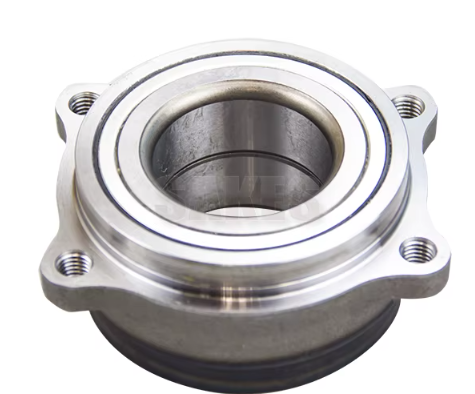
Mifano ya Kawaida ya Sauta za Vitambaa vya Ukingo wa Gari na Maana Yake
Kuungua, Kuchakua, au Kupiga Kwa Kasi: Alama za Uharibifu wa Mchakato wakati wa Kusafiri kwa Kasi
Wakati gari linapoanza kufanya sauti ya kudumu ya kuvuma au kuvumilia ambayo inaongezeka kwa kasi zaidi kama linavyopita, uwezekano mkuu ni kwamba mifupa ya gurudumu ya ulinganisho (wheel bearings) inaanza kuharibika. Vipande vya ndani ya mifupa hii huanguka kwa njia isiyo sawa kwa muda mrefu, kusababisha vibarua vya kifupi vya kuzunguka ambavyo tunasikia. Kwa kasi kubwa zaidi kwenye barabara kuu, sauti ndogo hiyo inabadilika kuwa sauti ya kuvumilia kwa wazi au hata sauti kubwa ya kuvumilia kabisa. Ikiwa haichukuliwi hekima kabisa, mambo yanaweza kuwa na hatari kubwa sana haraka sana. Tumeona vitu ambavyo hubadilika kabisa, mara nyingi husababisha gurudumu kuzimwa au kwa kiasi cha kuzidi, kushindwa kabisa kutokutana na gari. Kulinganisha na taarifa za hivi karibuni kutoka kwa Ripoti ya Huduma ya Gari ya 2023, takriban asilimia 15 ya mgawanyo wa matatizo yote ya gari kwenye barabara zilikuwa zimehusishwa na matatizo ya mifupa ya gurudumu ya ulinganisho. Hivyo ndio sababu ya kugundua matatizo haya mapema inafanya maana kubwa kwa yeyote anayetaka kuwa salama juu ya barabara bila matatizo ya matokeo yasiyotarajewa.
Kuvuta au Kuvumilia Wakati wa Kuzunguka: Ushindani wa Kiungo cha CV au Kikomo cha Kijambo cha ABS
Wakati mtu anasikia sauti za kuchipuka au kupiga kwa nguvu wakati wa kuzunguka, hii mara nyingi inamaanisha kuwa kuna tatizo na muunganisho ya kasi ya mara kwa mara (CV) au kuna jambo lisilofaa na sensa za ABS. Muunganisho ya CV huanza kuharibika kwa muda, ikasababisha sehemu za shahari kuondoka kwa njia ya kusukuma wakati kushapikwa kwa nguvu kwa upande. Kwa upande mwingine, ikiwa viringo vya toni vya ABS vimevunjika au havijawekwa sawa tena, hivyo huvuruga mashamba ya uinguo ambayo sensa zinategemea, ambayo husababisha ukaratasi mbalimbali wa kusoma. Waderekta wataona matatizo haya kama sauti za kuchipuka zenye kisukani ambazo zinatokea kwa pamoja na jinsi ya kuzunguka kwa gurudumu. Ikiwa hayajulikani, hii inaweza kusababisha uharamu kamili wa muunganisho yenyewe na utendaji mbaya sana wa breki, hasa katika hali ambapo inahitajika kutisha gurudumu kwa haraka.
Kupiga kwa nguvu au kuchipuka chini ya breki au mzigo: Uharamu wa kifungo au uchafuzi
Kupiga sauti ya juu (squeal) wakati wa kupungua kasi au sauti ya kugonga wakati wa kuongeza kasi au kuzunguka kawaida inamaanisha kuna tatizo na kifungo cha gurudumu la gurudumu. Wakati hizi kifungo zinaharibika, vitu vya mbaya tofauti kutoka kwenye barabara vinajisikia ndani ya mfumo. Mchanga huunganishwa na mafuta na kujenga kitu kama vile mchanga wa kuchoma ambacho kwa kweli hunyonya mabearing. Maji pia huingia, ambayo huanza kusababisha ukuwaji wa moto na kuharibu kabisa mafuta ya kufanya kazi. Kulingana na majaribio ya ulimwengu wa kweli, gurudumu la magurudumu yanayotumika katika mazingira ya uchafuzi yanaweza kupoteza takriban 70% ya uwezo wao wa kufanya kazi baada ya kukwenda tu maili 500. Kufanya urekebaji huu mara moja ni muhimu sana kwa sababu kusubiri muda mrefu hupatikana kusababisha matatizo makubwa ambayo pesa hazitawezekani kuyarekebisha baadaye.
Mabaino ya Juu ya Sauti Zisizokwenda Kwa Gharaza la Magurudumu ya Gari
Uharibika kwa Bearings Kutokana na Urefu wa Safari, Uzito Mwingi, au Upotezi wa Uwezo wa Kuweka Mbele
Wakati unaotazama sauti za kushangaza zinazotokana na viti vya gurudumu, viwango vilivyopoteza nguvu ni sababu kuu ya matatizo haya. Ripoti ya Mwaka 2023 ya Data ya Huduma ya Magari inaonyesha kwamba hufanya zaidi ya thihi ya tatu ya matatizo yote yaliyothibitishwa. Kama magari huenda mbalimbali, uso wa viti vya gurudumu huwa na shida kwa muda mrefu. Lakini mambo huanza kuharibika kwa kutosha wakati magari huwakilishwa kwa kipindi cha muda mrefu, hasa ikiwa mtu anaweka mara kwa mara meli kali nyuma yake. Tatizo kubwa lingine? Kuweka viti vya gurudumu vibaya kwa mara ya kwanza. Ikiwa hakuna shinikizo la kutosha kwenye viti vya gurudumu wakati wa uwekaji, hujaribu nafasi ya kuzunguka kwa kiasi kikubwa. Hii husababisha sauti za kuchemsha zinazodhania wakati wa kuruka haraka, na baada ya muda mfupi, vinyonga huonyesha mifano ya uvunjivu wa kushangaza pia, kama vile kuonekana kama vimepandwa au kuna sehemu ndogo zenye umbo la kikombe kwenye uso wa vinyonga.
Uharibisho wa Ufunguo Ukiniruhusu Uchafu, Maji, au Vichafu vya Barabara Kuingia Katika Jimbo la Vitu vya Gurudumu
Vibarua vya kuvunjika au vya kuharibika mara nyingi husababisha sauti mbalimbali zinazotoka kutoka kwenye mahali pasi, hasa sauti za kuchanganya au kuvunja zinazosababishwa na kupiga breki au kuzunguka. Wakati vibarua hivi vianza kushindwa, mchanga na udongo wa barabara huingia katika mafuta ya kusukumia kujenga kitu kinachowasumbua sana kinachoweza kuharibisha mifupa ya kubadilisha. Maji pia huingia hapo, ambayo inasababisha uharibishaji wa mifupa kwa kufanya mapango ya kuharibika na kufanya mafuta ya kusukumia kuharibika haraka zaidi kuliko inapaswa. Kulingana na utafiti fulani wa eneo, karibu nusu, labda takriban 48%, ya uvunjivu wa vibarua kwanza hutokea kwa sababu ya uchafuzi huu kutokana na vibarua visivyofaa. Kuangalia vibarua hivi vya kauti kwa mara kila wakati wa kubadilisha kauti ni jambo muhimu sana. Tazama kwa upungufu wowote wa mifupa au sehemu ambapo chombo cha kauti kimekuwa ngumu na kuvunjika rahisi. Hii inakuwa bora zaidi baada ya kukwenda kwenye ardhi ya kuvunjika au kusafiri kwenye barabara zilizotibiwa kwa chumvi ya kuzima.
Jinsi Ya Uundaji Wa Vibarua Vya Gari La Kijamii Unavyoathiri Tabia Ya Sauti
Ubunifu wa kitovu cha magurudumu cha leo unalenga sana kupunguza Kelele, Mtetemo, na Ukali (NVH) kwa kutumia vifaa bora na ujumuishaji wa kiteknolojia mwerevu. Chukua kwa mfano mchanganyiko wa nyuzi za kaboni. Vifaa hivi vina sifa za kipekee za kupunguza unyevu ambazo husaidia kupunguza masafa ya mwangwi yanayokera ambayo kwa kawaida hufanya barabara zisikike kwa sauti kubwa zaidi. Sehemu za chuma za kitamaduni hazitoi aina hii ya kunyumbulika kwa urekebishaji. Watengenezaji wa magari pia wanapata ubunifu. Wanaweka vitu kama vidhibiti vya piezoelectric ambavyo huhisi mitetemo na kuifuta wakati wa kuendesha gari. Baadhi ya fani hupata mipako maalum ya chembe ili kupunguza kelele zinazohusiana na msuguano. Na wengi sasa hutumia nati za spindle zilizopakiwa awali badala ya boliti za kawaida ambazo huwa zinatetemeka baada ya muda. Maboresho haya yote kwa pamoja yanaweza kupunguza viwango vya kelele vinavyopitishwa karibu 40% ikilinganishwa na modeli za zamani. Pia tunaona vitengo kamili zaidi vya kitovu cha breki ambapo kila kitu kinaendana bila vifaa vya ziada kuunda njia za ziada za mitetemo. Kwa kuwa EV zinazidi kuwa maarufu na wateja wanataka safari tulivu ndani ya magari yao, vitovu vya magurudumu si vipengele tulivu tu tena. Badala yake, hufanya kama vichujio vya sauti vilivyojengewa ndani vinavyofanya kazi dhidi ya kelele zisizohitajika badala ya kuchangia.
Lini Kurekebisha, Kubadilisha, au Kutafuta Uchunguzi wa Mtaalamu kwa Ajili ya Viti vya Gari la Magurudumu
Alama za Mapema za Uwakilishi vs. Alama za Kuvunjika Kwa Kina
Kugawanya uharibifu wa mapema na kuvunjika kwa karibu ni muhimu sana kwa usalama na udhibiti wa gharama:
- Alama za mapema : Kupiga sauti ya chini kati ya 30–50 mph, kutetemeka kwa muda mfupi ya nuru ya ABS, au vibarua vya dhaifu vya kusogeza vinaweza kuashiria uharibifu wa awali wa kifaa cha kusonga au uchafuzi wa mafuta ya kusonga.
- Kuvunjika kwa kina : Kupiga sauti ya kuvunjika wakati wa kuzunguka, vibarua vya kusogeza vya kuvunjika kwa kasi ya juu ya 40 mph, au kutoweza kabisa kufanya kazi ya ABS/kudumisha nguvu ya kushikilia inaashiria kuvunjika kwa kina kwa muundo—na hatari ya kujitenga kwa kituo cha magurudumu. Utaratibu wa sekta wa 2024 uligundua kwamba 78% ya kuvunjika kwa ghafla ya vitu vya magurudumu vilifuatwa na miaka miwili au zaidi ya kushindwa kuhakikisha alama za mapema. Uchunguzi wa mtaalamu unapoitishwa kwa alama ya kwanza ya sauti isiyo ya kawaida unasaidia kuzuia uharibifu unaofuata kwa vifaa vya CV, vifaa vya kupiga mabota, au vifaa vya kusimamia magurudumu.
Vitu vya Magurudumu vya Asili (OEM) dhidi ya Vitu vya Magurudumu vya Kuzidisha: Athari kwa Utendaji wa Sauti kwa Muda Mrefu
Vipengele vya kuziweka baada ya uzalishaji (aftermarket hubs) vinaweza kupunguza gharama kwa awali, lakini mara nyingi huleta matatizo ya sauti yanayorudi haraka zaidi kwa sababu wazalishaji wanapunguza kwenye vitu vya kujenga na muundo. Metali zenye uvimbu zinazotumika huenda kubuka wakati kuna mzigo, ambao huchangia kuvunjika kwa usahihi wa mstari wa vifungo (bearings). Zaidi ya hayo, vifungo vya bei nafuu vinaanguka kwa kasi ya mara tatu kuliko vipengele vya wazalishaji wa asili (OEM) baada ya kuruka milia 15 ya maili. Na tusisahau kipengele cha kuvuruga kwa umeme (magnetic encoder) cha bei nafuu ambacho huleta mafanikio ya makosa ya mfumo wa kuzuia kuvimba (ABS) katika kila hub ya daraja la chini kwa kila saba. Ikiwa kudumisha utulivu ni muhimu kwa muda mrefu, kuchagua vipengele kulingana na mahitaji ya wazalishaji wa asili (OEM) ina maana. Vile vile vinajumuisha mistari ya vifungo iliyoundwa vizuri na vifungo vingi vya kufunga (seal lips) vinavyofanya kazi pamoja kwa uaminifu kwa umbali wa milia 85 hadi 100 ya maili kulingana na takwimu za mwaka 2024 ya magari yaliyotumika. Kanuni nzuri ya kuzingatia? Wakati wa kuhudumia hub, kubadilisha vifungo vilivyotumika vinasaidia kudumisha mwelekeo wa mgawanyo wa mafupi (tension settings) na kudumisha vifungo muhimu hivi ili kuhakikisha ulinzi bora dhidi ya unyevu na maji.
Maswali Yanayoulizwa Mara kwa Mara
Alama za kawaida za sauti ya kituo cha gurudumu ni nini?
Alama za kawaida zinajumuisha sauti ya kuvuma, kuvumia kwa kasi, kucheka au kupopoa wakati wa kuzunguka, na kusikika kwa sauti ya kuvuta au kugonga chini ya kushinikisha au mzigo.
Mabaino makuu ya sauti isiyo ya kawaida kutokana na kituo cha gurudumu ni nini?
Mabaino makuu yamechangiwa na uvimbe wa kifaa cha kufunga kwa sababu ya umbali ulioenda, mzigo mwingi, au upotevu wa mgawanyo wa kushinikisha, pamoja na kuharibika kwa kifaa cha kufunga kinachoruhusu mchafu, maji, au vichafu vya barabara kuingia katika mfumo wa kituo cha gurudumu.
Jinsi ya muundo wa kisasa wa kituo cha gurudumu hufanya nini kuhusu tabia ya sauti?
Muundo wa kisasa unatumia vitu vya kujenga vya kisasa na teknolojia ili kupunguza sauti, vibarubaru, na uvivu, pamoja na kujumuisha vipengele kama vile vifungo vya piezoelectric na makaburi ya vinyongo ili kupunguza sauti zinazotokana na msuguano.
Orodha ya Maudhui
- Mifano ya Kawaida ya Sauta za Vitambaa vya Ukingo wa Gari na Maana Yake
- Mabaino ya Juu ya Sauti Zisizokwenda Kwa Gharaza la Magurudumu ya Gari
- Jinsi Ya Uundaji Wa Vibarua Vya Gari La Kijamii Unavyoathiri Tabia Ya Sauti
- Lini Kurekebisha, Kubadilisha, au Kutafuta Uchunguzi wa Mtaalamu kwa Ajili ya Viti vya Gari la Magurudumu
- Maswali Yanayoulizwa Mara kwa Mara