
 EN
EN
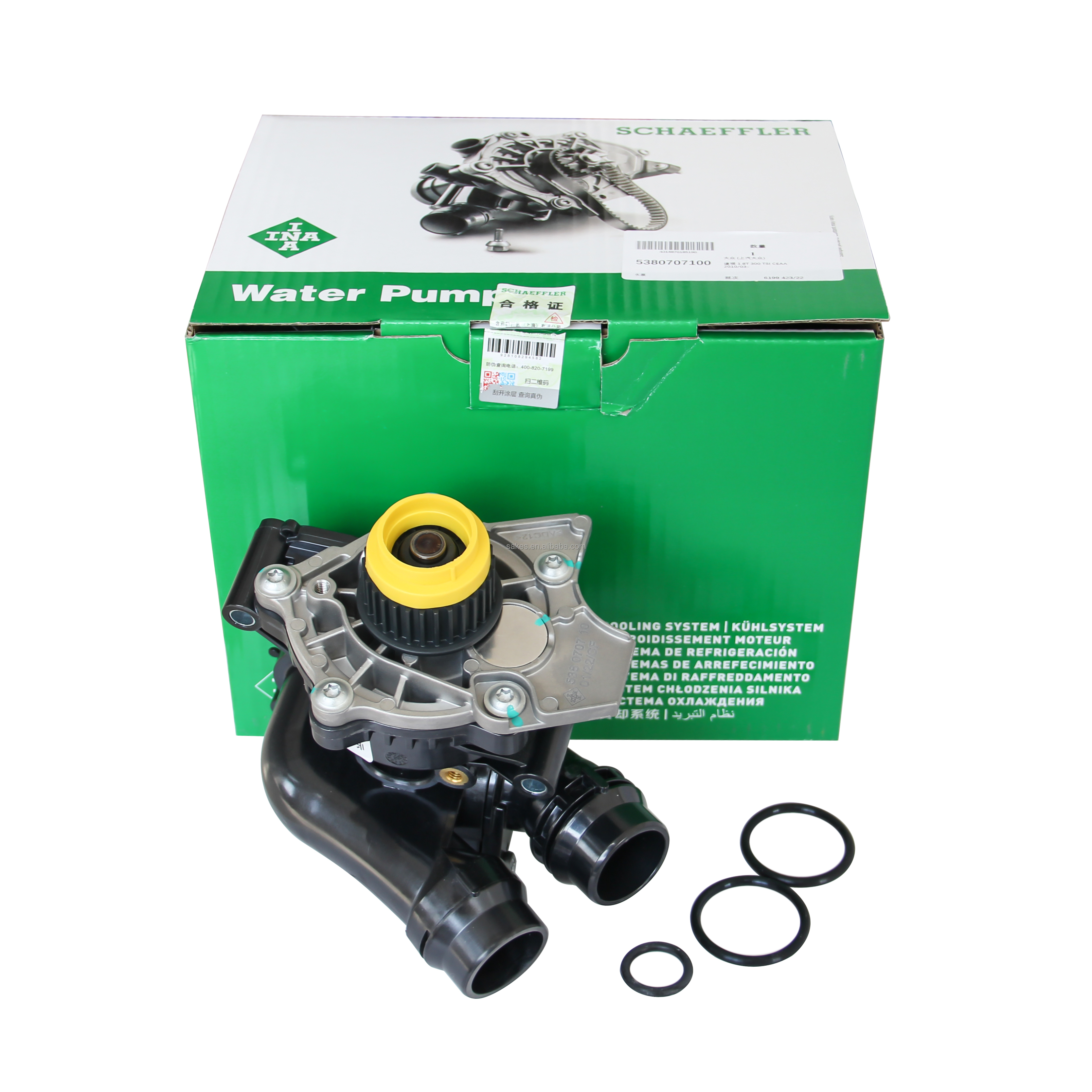
Caught by a Dashboard, Not a Breakdown
A driver noticed the temperature gauge climbing only in slow traffic. A scan showed coolant at 108°C while moving, 118°C when stopped. The car water pump was not moving enough volume at low rpm. The weep hole was dry, so the seal looked fine, but the impeller had corroded. Replacing it before the highway trip avoided a roadside failure. The case shows that early signals beat late disasters.
The Quiet Failure Pattern
Not every failing pump leaks first. Some lose flow while looking clean. A car water pump can pass a visual check yet fail under load, which is why temperature logging matters.
Risk Analysis
Sudden Overheat
Hidden flow loss means no warning until steam appears. The car water pump at the center lets heat spike fast. Head gasket and warp follow.
Coolant Loss
A weep leak drips onto the belt, slips it, and spreads failure to the alternator and tensioner.
Contamination
Internal impeller debris circulates through the block and radiator, clogging the core.
Professional Analysis
Weep Hole Signaling
The weep hole vents the first seal leak before coolant reaches the bearing. A damp or crusty weep on a car water pump is the earliest external sign. Dry does not mean healthy, but wet means act.
Bearing Play and Noise
Lift the belt and check shaft play. Any movement means the bearing is gone. A car water pump with play growls and loads the seal. Noise rises with rpm.
Temperature and Flow
Coolant temp at idle versus load reveals pump volume. A weak car water pump holds temp moving but climbs stopped, because fan and speed no longer help. Logging exposes the trend.
Visual and Pressure Tests
Pressure testing the system finds leaks the eye misses. A car water pump with a seeping gasket face shows only under pressure.
Authority References
SAE research covers pump flow and bearing life under duty. IATF 16949 and ISO 9001 define build and test discipline. OSHA rules govern safe work on hot, pressurized systems; never open a hot cap. ANSI guidance covers lift and tool use. Diagnosis should follow documented steps, not guesswork.
Practical Value
How to Select a Test Plan
Use a scanner for live coolant temp and compare idle vs load. A car water pump suspect warrants a pressure test and a belt-play check. Combine methods for certainty.
How to Inspect
Cold engine: lift belt, feel shaft play, look at weep hole, squeeze hoses. Hot: watch temp under load. A car water pump check takes minutes and prevents tows.
How to Use Results
Replace at first weep or play. A car water pump with rising temp needs action before a trip. Log findings with date.
How to Maintain
Flush on schedule, keep belt tension right, and re-check after any overheat. Record mileage. Prevention beats diagnosis.
Frequently Asked Questions
Question: What are the first signs of pump failure?
Answer: A damp weep hole, a whining noise at the timing cover, and a slow temperature rise in traffic are early clues. A car water pump may also leak onto the belt, causing slip. Catching any one of these turns a planned job into a quick fix. Do not wait for steam; by then the head may already be at risk. Inspect at every service.
Question: Can a car water pump fail with no leak?
Answer: Yes. Internal impeller corrosion or bearing seizure can stop flow with a dry weep hole. A car water pump that spins but moves little coolant overheats gradually. Scanner temperature logging catches it. Some impellers fracture and send debris through the system. Non-leaking failures need data, not just a visual look, to confirm.
Question: How reliable is the temperature gauge?
Answer: A gauge shows trend, not precision. A car water pump losing volume may keep the needle normal at speed yet climb when stopped. Pair the gauge with a live scanner reading for real numbers. Any climb past the manual's limit under load means check the pump, cap, and thermostat together. Treat the gauge as a warning light, not a meter.
Question: Should the thermostat be tested too?
Answer: Always. A stuck thermostat mimics pump failure by blocking flow. A car water pump can be perfect while a closed stat overheats the engine. Pressure and flow tests separate the two. Replace the stat with the pump when symptoms overlap, since labor overlaps and a weak stat reloads a fresh pump. Test both before condemning either.
Question: Is a pressure test necessary?
Answer: Helpful, yes. A car water pump with a seeping gasket face leaks only under pressure, invisible at idle. A cooling system pressure test reveals slow loss and pinpoints the source. It also checks hoses and the cap. The test is quick and prevents misdiagnosis. Pair it with a belt-play and weep check for a full picture.
Question: Can a bad belt mimic pump failure?
Answer: It can. A slipping belt whines and slows the car water pump, raising temperature like a weak pump. The difference shows at the pulley: belt shine and squeal versus shaft play and weep. Check the belt and tensioner before replacing the pump. A new pump on a bad belt fails again fast. Diagnose the drive, not just the part.