
 EN
EN
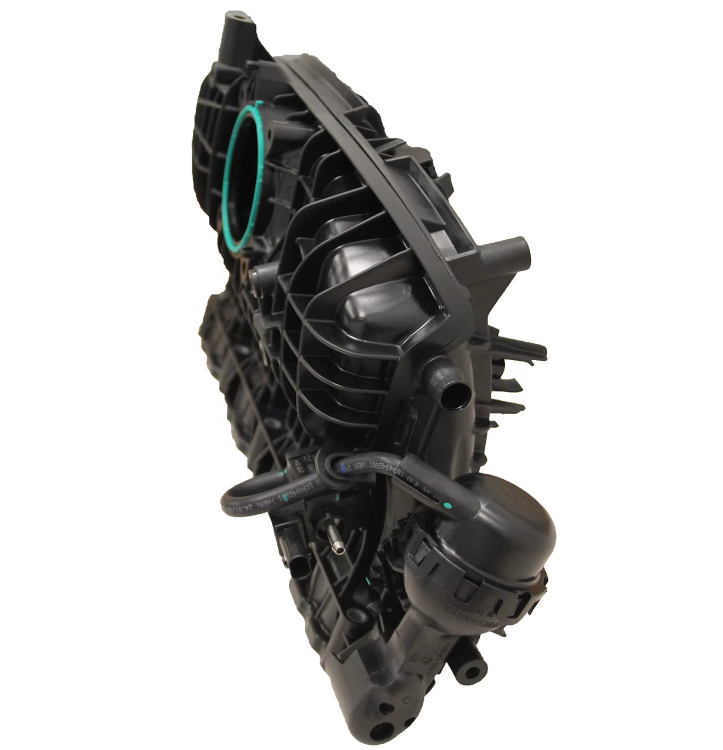
جدید انٹیک مینی فولڈز میں حرارتی تناؤ اور مواد کی تھکاوٹ
گرمی کے سائیکلنگ کا نائلان-کمپوزٹ انٹیک مینی فولڈز میں مائیکرو درارچوں کو پیدا کرنا
نائلون کمپوزٹ انٹیک مینی فولڈز انجن کے چلنے کے دوران شدید حرارتی تناؤ کے مسائل سے نمٹتے ہیں۔ جب انجن کو ٹھنڈے اسٹارٹ پر تقریباً 40 درجہ سینٹی گریڈ سے لے کر مکمل لوڈ کے تحت زیادہ سے زیادہ 150 درجہ سینٹی گریڈ تک گرم کیا جاتا ہے تو اس سے حقیقی مسائل پیدا ہوتے ہیں۔ یہ پلاسٹک کے اجزاء، ایلومنیئم کے انجن بلاکس کے مقابلے میں تقریباً تین گنا تیزی سے پھیلتے اور سِکڑتے ہیں، کیونکہ ان کی حرارتی پھیلاؤ کی شرح بہت زیادہ ہوتی ہے — تقریباً 80×10^-6 فی کیلْوِن، جبکہ ایلومنیئم کی صرف 23×10^-6 فی کیلْوِن ہوتی ہے۔ اس فرق کی وجہ سے تناؤ خاص طور پر ان اہم مقامات پر جمع ہوتا ہے جہاں تمام اجزاء آپس میں جڑتے ہیں: منٹنگ علاقوں، رنر جنکشنز، کولنٹ چینلز اور بولٹس کے اردگرد۔ ہر بار جب انجن گرم ہونے اور ٹھنڈا ہونے کے سائیکل سے گزرتا ہے، گلاس ری enforced نائلون 6/6 کے مواد میں ننھے سے دراڑیں بننا شروع ہو جاتی ہیں۔ تقریباً 5,000 سے 7,000 سائیکلوں کے بعد — جو سڑک پر تقریباً 50,000 سے 70,000 میل کے مساوی ہوتا ہے — یہ چھوٹی دراڑیں حقیقی، دیدی جانے والی ٹوٹنے میں تبدیل ہو جاتی ہیں۔ لیب ٹیسٹوں سے پتہ چلتا ہے کہ نائلون کمپوزٹس کی کشیدگی کی طاقت صرف 1,200 گھنٹوں کے بار بار حرارتی سائیکلنگ کے بعد تقریباً 40 فیصد تک کم ہو جاتی ہے۔ اسی وجہ سے ہم وہاں بہت سی ابتدائی ناکامیاں دیکھتے ہیں جہاں گاڑیوں کو وقت گزرنے کے ساتھ ساتھ ان اجزاء پر بہت زیادہ بوجھ ڈالا جاتا ہے۔
کیس اسٹڈی: 3.8L اور 4.2L V6 انٹیک مینی فولڈ کی ناکامیاں (این ایچ ٹی ایس اے، 2015–2022)
قومی شاہراہوں کے ٹریفک سیفٹی انتظامیہ کی رپورٹس کا جائزہ لینے سے پتہ چلتا ہے کہ 2015 سے لے کر 2022 تک دو مختلف V6 انجن ماڈلز کی ناکامی کی شرح 15 فیصد سے زیادہ تھی۔ ان دونوں انجنوں میں نائیلون کمپوزٹ انٹیک مینی فولڈز استعمال کی گئی تھیں جو حرارتی پھیلنے کے مسائل کے لیے مناسب طریقے سے ڈیزائن نہیں کی گئی تھیں۔ عام طور پر، دراڑیں EGR والو کے موونٹس کے اردگرد زیادہ تناؤ والے علاقوں اور مینی فولڈ کے سلنڈر ہیڈ سے جڑنے کے مقامات پر بننا شروع ہو جاتی تھیں۔ ایسی دراڑوں کی وجہ سے کولنٹ کے رساو کے 200 سے زیادہ دستاویزی واقعات رپورٹ کیے گئے۔ ان واقعات میں سے تقریباً 85 فیصد واقعات اس وقت پیش آئے جب گاڑیوں کا اوڈومیٹر 60,000 سے 90,000 میل کے درمیان پہنچ گیا، جو گلاس ری enforced نائیلون 6/6 کی حرارت کو برداشت کرنے کی صلاحیت کے بارے میں ہماری موجودہ معلومات کے بالکل مطابق ہے۔ اس مسئلے کو حل کرنے کے لیے گاڑیوں کے سازندگان نے ان تناؤ والے نقاط میں اضافی مضبوطی کے ساتھ نئے ڈیزائن تیار کرنا شروع کر دیا۔ ان تبدیلیوں نے 2019 کے ماڈلز کے بعد ناکامیوں کو تقریباً 70 فیصد تک کم کر دیا۔ اس سے جو بات واضح طور پر سامنے آتی ہے (اگرچہ کبھی کبھار نظر انداز کی جاتی ہے) وہ یہ ہے کہ جب حرارتی پھیلنے کے فرق کو مناسب طریقے سے کنٹرول نہ کیا جائے تو یہ بار بار متعدد گاڑیوں میں سنگین مسائل پیدا کرتا ہے۔
انٹیک مینی فولڈ گاسکٹ کی ناکامی: بنیادی اسباب اور تخریب کے راستے
کولنٹ، آئل ویپر، اور احتراق کے ثانوی مصنوعات کی وجہ سے کیمیائی تحلیل
حالیہ سیال مطابقت کے تحقیقی مطالعہ (2023) کے مطابق، انٹیک مینی فولڈ گسکٹس کے بارے میں تقریباً 42 فیصد مسائل دراصل مختلف مواد کے درمیان کیمیائی ردعمل سے پیدا ہوتے ہیں۔ جب کولنٹ گلائیکولز ربر جیسے گسکٹ کے مواد کے ساتھ رابطہ کرتے ہیں تو وہ ایک عمل کے ذریعے انہیں ٹوٹنے لگتے ہیں جسے ہائیڈرولیسس کہا جاتا ہے۔ اسی دوران، تیل کے آوازیں ان مواد کو سوجا سکتی ہیں اور وقتاً فوقتاً ان کی شکل خراب کر سکتی ہیں۔ ایک اور مسئلہ پسٹن رنگز سے گزر کر آنے والی احتراق گیسوں سے پیدا ہوتا ہے۔ یہ گیسیں الومینیم کے اجزاء کے ساتھ مل کر نائٹرک ایسڈ بناتی ہیں، جو دھاتی سطحوں کو کھا جاتی ہے اور سیلوں کو کمزور کر دیتی ہے۔ جب گاڑیاں زیادہ ایتھنول والے ایندھن پر چلتی ہیں تو یہ صورتحال مزید بدتر ہو جاتی ہے، کیونکہ ایسے ایندھن زیادہ ترش اور غیر مستحکم ہوتے ہیں۔ نتیجتاً، یہ تینوں کیمیائی مسائل ایک ساتھ مل کر سیلنگ کی مؤثریت کو مکمل طور پر تباہ کر سکتے ہیں، جو اکثر لوگوں کی توقع سے کہیں زیادہ جلد ہو سکتا ہے، کبھی کبھار اوڈومیٹر پر صرف 60 ہزار میل کے بعد ہی۔
مکینیکل تخریب: ٹارک کا نقصان، سطح کا ٹیڑھا ہونا، اور گاسکٹ کا مسلسل بہنا
حرارتی سائیکلنگ سے فلانج کا ٹیڑھا ہونا قابلِ پیمائش ہوتا ہے— جو SAE J2430 (2022) کے مطابق ڈھالا ہوا الیومینیم مینی فولڈز میں 0.3 ملی میٹر سے زیادہ ہو جاتا ہے۔ یہ خرابی غیر یکساں کلامپنگ دباؤ پیدا کرتی ہے، جس سے تین متعلقہ ناکامی کے طریقوں کی شرح تیز ہو جاتی ہے:
- ٹارک کا نقصان : بولٹ کا تناؤ صرف 200 حرارتی سائیکلوں کے بعد 25% کم ہو جاتا ہے، جو بیٹھنے کی آرام دہی اور حرارتی بہاؤ کی وجہ سے ہوتا ہے؛
- گاسکٹ کا مسلسل بہنا : سلیکون اور نائٹرائل ربر کی سیلیں مستقل دباؤ کے تحت مستقل تشکیل تبدیلی کا شکار ہوتی ہیں؛
- کمپریشن سیٹ : لچکدار مواد پانچ سال کے بعد تک 40% تک اپنی لچک کھو دیتے ہیں— حتیٰ کہ بغیر حرارتی سائیکلنگ کے بھی— جس کی وجہ سے ویکیوم کے دباؤ کے اثرات سے بحالی کی صلاحیت کم ہو جاتی ہے۔
نتیجے کے طور پر بننے والے مائیکرو درازوں سے ویکیوم کے ر leaks ہوتے ہیں جو ہوا-ایفیول کے تناسب کو متاثر کرتے ہیں، جس کی وجہ سے اکثر لین کوڈز (P0171/P0174) اور غلط فائر ہونے کے واقعات رونما ہوتے ہیں۔ اس کے مقابلے کے لیے، اہم OEMs اب اہم انٹیک سے ہیڈ کے رابطوں کے لیے ملٹی لیئر اسٹیل (MLS) گاسکٹس کو مخصوص کرتے ہیں جن پر اینٹی-کریپ نکل یا PTFE کی پرت ہوتی ہے۔
انٹیک مینی فولڈ ایسیمبلیز میں انسٹالیشن اور ساختی مضبوطی کے مسائل
جب انٹیک مینی فولڈز غلط طریقے سے انسٹال کیے جاتے ہیں تو وہ اپنے معمولی عمر سے کہیں زیادہ جلد ناکام ہو جاتے ہیں، خاص طور پر اگر لوگ ٹارک سیکوئنس، سطح کی سطحی ہمواری کی جانچ یا پھر صرف پُرانے یا خراب بولٹس اور نٹس کو نظرانداز کر دیتے ہیں۔ اگر ماونٹنگ بولٹس کو یکساں طور پر یا مناسب حد سے زیادہ ٹائٹ نہ کیا جائے تو فلینج کا علاقہ ٹیڑھا ہو سکتا ہے، جس سے گاسکٹ کا درست طریقے سے کمپریس ہونا متاثر ہوتا ہے اور گرم ایگزاسٹ گیسیں وقتاً فوقتاً قریبی اجزاء کو کھا جاتی ہیں۔ نائلان کمپوزٹ مینی فولڈز اس مسئلے سے خاص طور پر متاثر ہوتے ہیں کیونکہ ان کے مواد گرم ہونے پر ایلومینیم یا آئرن سلنڈر ہیڈز کے مقابلے میں دھاتی مینی فولڈز کے مقابلے میں زیادہ پھیلتے ہیں۔ انجن کے وائبریشنز بھی اس میں اضافہ کرتے ہیں، جس سے ماونٹنگ کے مقامات تیزی سے خراب ہوتے ہیں، خاص طور پر بھاری اجزاء جیسے EGR والوز کے گرد۔ اس کے بعد آہستہ آہستہ ویکیوم لیکس ہوتی ہیں جنہیں مشینسٹ کبھی کبھار MAF سینسرز یا آکسیجن سینسرز کے مسائل سمجھ لیتے ہیں۔ اگر کوئی شخص محسوس کرے کہ انجن کی کولڈ آئیڈلنگ کے دوران مینی فولڈ کے کناروں پر پروپین کے استعمال سے اس کا ردعمل بہتر ہوتا ہے تو یہ عام طور پر اس بات کی واضح علامت ہوتی ہے کہ سیلز میں خرابی شروع ہو چکی ہے، جو مکمل ناکامی سے بہت پہلے ہوتی ہے۔
اکثر پوچھے گئے سوالات
انٹیک مینی فولڈ میں تھرمل تناؤ کا سبب کیا ہے؟
انٹیک مینی فولڈ میں حرارتی تناؤ کا اہم سبب انجن کے عمل کے دوران درجہ حرارت میں تبدیلیاں ہوتی ہیں، جس کی وجہ سے نائلون کامپوزٹ مواد دھاتی اجزاء کے مقابلے میں زیادہ پھیلتے اور سکڑتے ہیں، جس سے مائیکرو دراڑیں پیدا ہوتی ہیں۔
انٹیک مینی فولڈ گاسکٹ کی ناکامی کا معاملہ کتنی شدت کا ہے؟
گاسکٹ کی ناکامی انتہائی سنگین ہے، کیونکہ کیمیائی تحلیل اور مکینیکل خرابی سے ویکیوم لیکس پیدا ہو سکتی ہیں، جو ہوا-ایفیول کے تناسب کو متاثر کرتی ہیں اور انجن کے غلط فائر ہونے کا باعث بنتی ہیں۔
اسٹالیشن کی غلطیاں مینی فولڈ کی عمر کو متاثر کر سکتی ہیں؟
جی ہاں، غلط انسٹالیشن سے غیر یکساں کمپریشن پیدا ہو سکتی ہے اور تھرمل پھیلاؤ اور وائبریشن سے متعلقہ مسائل کو مزید بڑھا سکتی ہے، جس سے مینی فولڈ کی عمر کم ہو جاتی ہے۔