
 EN
EN
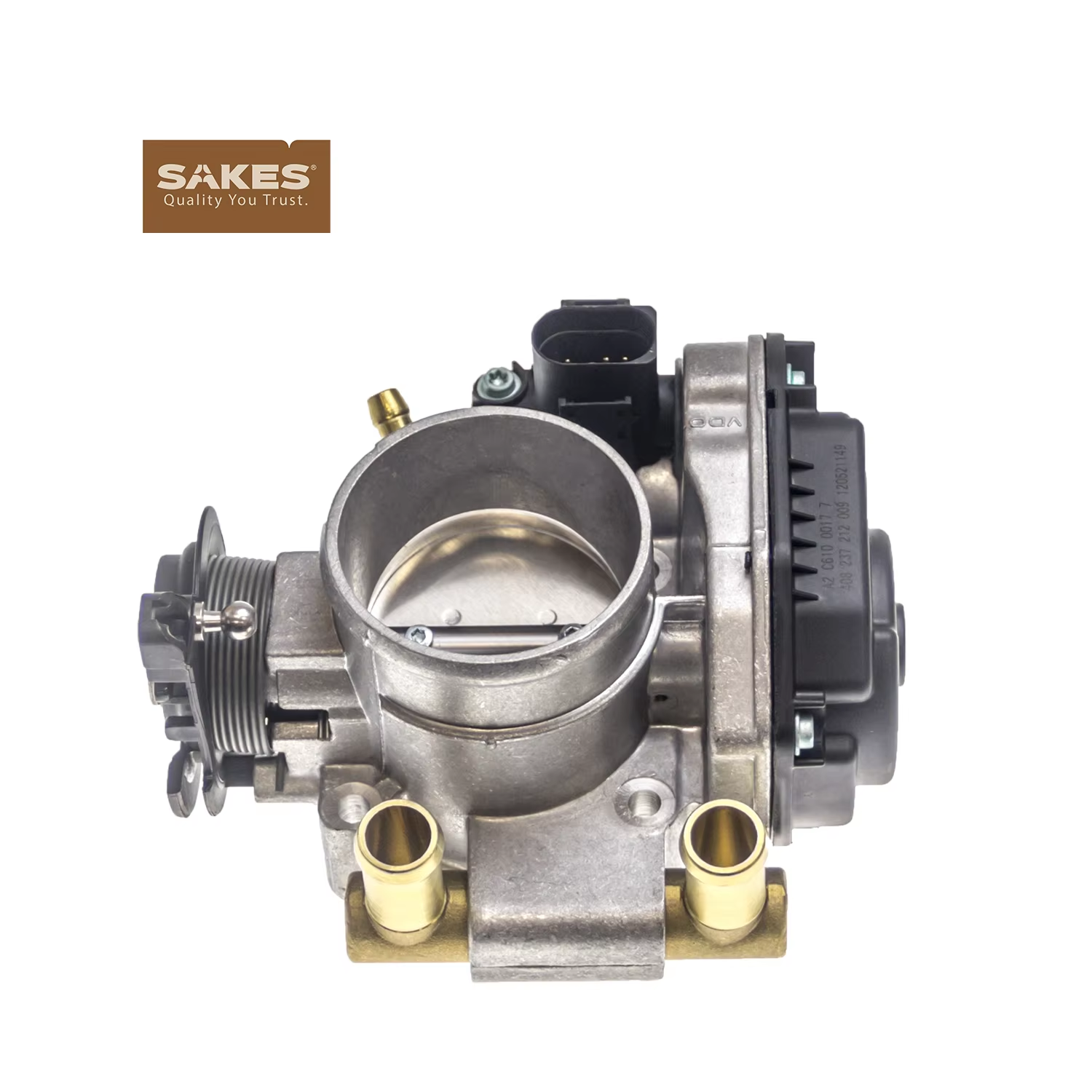
A Mismatched Swap That Triggered Limp Mode
A tuner dropped a larger throttle body onto a drive-by-wire engine without matching the actuator. The ECU saw a position error between commanded and actual plate angle and locked the car into limp mode. The throttle body was physically bolt-on, but the control loop rejected it. The fix needed the correct ETC unit with matching firmware logic. The case shows that electronic injection cares about signals, not just bore size.
Why Bolts Alone Do Not Decide Fit
A throttle body that seals to the manifold may still fail if the motor and sensor do not speak the ECU's language. Plate angle, default position, and self-test routine all matter.
Risk Analysis
Lean or Rich Running
Wrong bore or sensor curve changes airflow reading. The engine runs off, burns oddly, and may stall. A throttle body outside spec stresses cats and oxygen sensors.
Limp Mode and Stalls
ECU safety closes the plate when signals conflict. The car loses power mid-road. A faulty throttle body creates a real safety event, not just a nuisance.
Emissions Failure
Poor control breaks closed-loop trim and fails tailpipe or OBD checks.
Professional Analysis
Electronic Throttle Control Basics
Drive-by-wire replaces the cable with a motor and two redundant position sensors. The throttle body plate moves on ECU command from pedal sensors. Redundancy lets the system detect a stuck or drifting plate. Smooth control needs matched sensor slopes and a calibrated rest angle.
TPS and MAP Interaction
The throttle position sensor feeds airflow estimates; MAP reads manifold pressure. A throttle body with a wrong TPS curve misleads fuel math. Modern EFI blends both for transient accuracy during tip-in.
Bore and Flow
A larger bore flows more but slows low-rpm control. A throttle body sized to the engine keeps idle stable and tip-in crisp. Oversizing hurts drivability more than it helps.
Authority References
IATF 16949 and ISO 9001 govern build quality and traceability. SAE documents cover ETC response and sensor accuracy. Emissions rules from EPA and CARB require the part to keep the vehicle in compliance; tampering carries penalties. ANSI and OSHA cover shop handling. A documented throttle body respects these constraints by design.
Practical Value
How to Select
Match the OEM number and ETC generation. Confirm sensor type and connector. A throttle body for EFI must list emissions compliance for the market. Check bore and bolt pattern against the manifold.
How to Inspect
Verify the plate moves freely with no bind. Check the connector pins for corrosion. Scan for TPS voltage at rest and full open. Compare to spec before fitting.
How to Use
Calibrate or perform the ECU learn procedure after install. A throttle body needs the idle relearn so the plate rests correctly. Avoid forcing the plate by hand.
How to Maintain
Clean with approved solvent, not harsh scrapers that mark the bore. Inspect the gasket. Log the part number. A dirty throttle body causes rough idle long before failure.
Frequently Asked Questions
Question: Does a larger throttle body add power?
Answer: Usually not on stock engines. A throttle body sized beyond airflow need slows low-rpm control and can hurt idle. Gains appear only with supporting mods like cams or forced induction that actually demand more air. Bolt-on size alone rarely moves the dyno on a stock EFI map. Match bore to the build, and expect drivability, not horsepower, to change first.
Question: Can a cable throttle body replace a drive-by-wire one?
Answer: Not directly. A drive-by-wire engine expects motor control and redundant sensors; a cable unit lacks both. The ECU will flag faults and enter limp mode. Converting needs wiring, pedal, and firmware changes beyond the throttle body itself. Unless the whole system is swapped by design, keep the ETC type the manufacturer specified to stay safe and legal.
Question: What causes throttle body limp mode?
Answer: A mismatch between commanded and actual plate angle triggers the safety limit. Carbon buildup, a weak motor, or a drifting TPS sensor all push the throttle body out of tolerance. The ECU closes the plate to protect the engine. Cleaning, recalibrating, or replacing the unit restores normal operation. Scan codes first; do not just clear them and hope.
Question: How is a throttle body cleaned safely?
Answer: Use a dedicated ETC cleaner and a soft brush; never scrape the bore or plate. A throttle body with carbon on the edges seals poorly and idles rough. Remove it, spray, and wipe gently, then perform the idle relearn. Avoid soaking sensors. Reinstall with a fresh gasket. Harsh chemicals or tools damage the coating and shorten sensor life.
Question: Do sensors need matching when replacing?
Answer: Yes. The TPS slope and redundancy type must match the ECU map. A throttle body with the wrong sensor curve feeds bad airflow data and triggers faults. OEM or matched aftermarket units carry the correct curve and connector. Confirm the part number and, where possible, the sensor spec. Mismatched signals cause lean runs and limp mode even with a perfect bore.
Question: Is emissions compliance affected by the throttle body?
Answer: It can be. An uncontrolled or oversized throttle body breaks closed-loop trim and may fail OBD or tailpipe tests. EPA and CARB rules require the part to keep the vehicle compliant; tampering risks penalties. A throttle body sold for the market should state compliance. Keep changes within the engineered envelope to pass inspection and protect the catalyst.
Table of Contents
- A Mismatched Swap That Triggered Limp Mode
- Risk Analysis
- Professional Analysis
- Authority References
- Practical Value
-
Frequently Asked Questions
- Question: Does a larger throttle body add power?
- Question: Can a cable throttle body replace a drive-by-wire one?
- Question: What causes throttle body limp mode?
- Question: How is a throttle body cleaned safely?
- Question: Do sensors need matching when replacing?
- Question: Is emissions compliance affected by the throttle body?