
 EN
How to Choose Shock Absorbers for SUVs
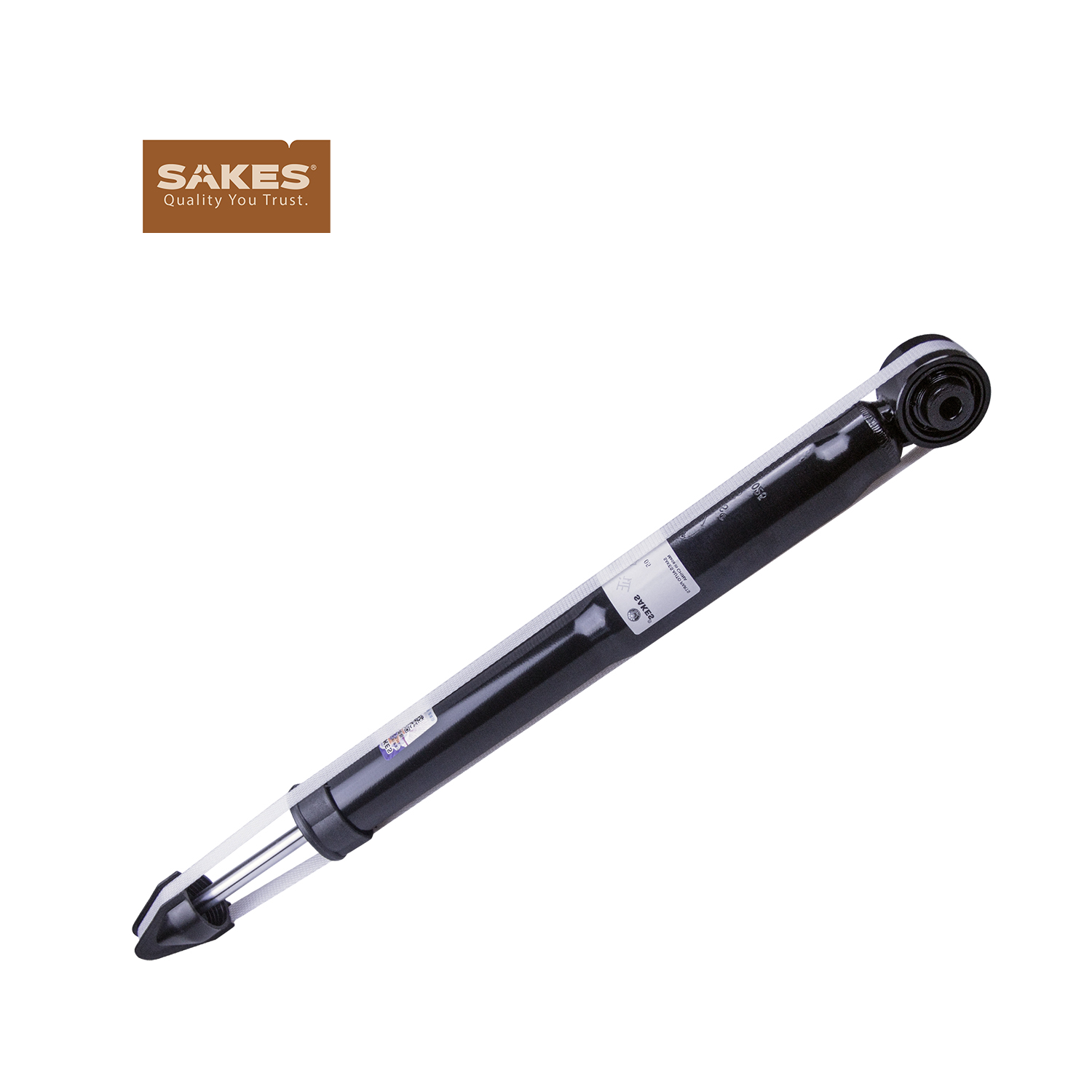
An SUV works its suspension harder than a car does, because the load, the ride height, and the terrain all increase the demand on the damper. The gap between a shock absorber that suits the vehicle and one that is simply the right size sits in the damping curve, the load rating, and the intended use. Buyers who choose shock absorbers against the actual duty avoid the unit that is comfortable empty and overwhelmed loaded. The guidance below covers real vehicles, the failure modes of a mismatched choice, the engineering that suits an SUV, and a buyer checklist for a suspension system and a damper.
Real-World Industry Case / Scenario
A Family SUV That Bottomed Out Loaded
A family SUV rode well empty and bottomed out on a holiday with the boot full and a roof box fitted, because the shock absorber was specified for the unladen weight rather than the loaded one. Moving to a unit rated for the load restored the travel. The buyer learned that a shock absorber for an SUV has to be rated for the worst load, and that suv suspension specified empty fails the moment the vehicle is full.
Rate for the worst load, not the average. An SUV is frequently loaded well beyond its unladen weight, and a damper that bottoms out has stopped controlling the spring. Buyers who rate for the worst case get a suspension system that holds when the vehicle is full.
A documented service history keeps the same standard across workshops and technicians.
A Work SUV That Needed a Firmer Curve
A work SUV carrying tools and a tow ball felt wallowy under braking and in corners with the standard unit, so the driver was correcting constantly. Moving to a shock absorber with a firmer curve suited to the duty fixed the behaviour. The buyer learned that the damping curve is a choice, and that a damper suited to the duty beats one suited to the showroom.
Check the mounts before blaming the unit. A worn bush or a cracked mount produces the same symptoms as a tired damper, so the joint should be inspected first. Buyers who check the mounts avoid replacing a shock absorber that was never the problem.
Operators who log each shock absorber after every event catch small faults before they become safety issues.
Risk & Failure Mode Analysis
Under-Rated for the Load
The dominant risk is a shock absorber rated for the unladen weight, because an SUV is frequently loaded well beyond it and the unit fades and overheats when it runs out of travel. A damper that bottoms out is no longer controlling the spring. The fix is to rate the shock absorber for the worst load the vehicle will carry, because suv suspension specified empty fails when the vehicle is full.
Replace in pairs across the axle. A single new unit on a worn partner delivers only part of the improvement and can unsettle the balance of the vehicle. Buyers who replace in pairs get consistent behaviour from the suv suspension.
Spare fasteners and seals on hand turn a stripped thread into a short stop rather than a wait.
Mismatched Curve and Worn Mounts
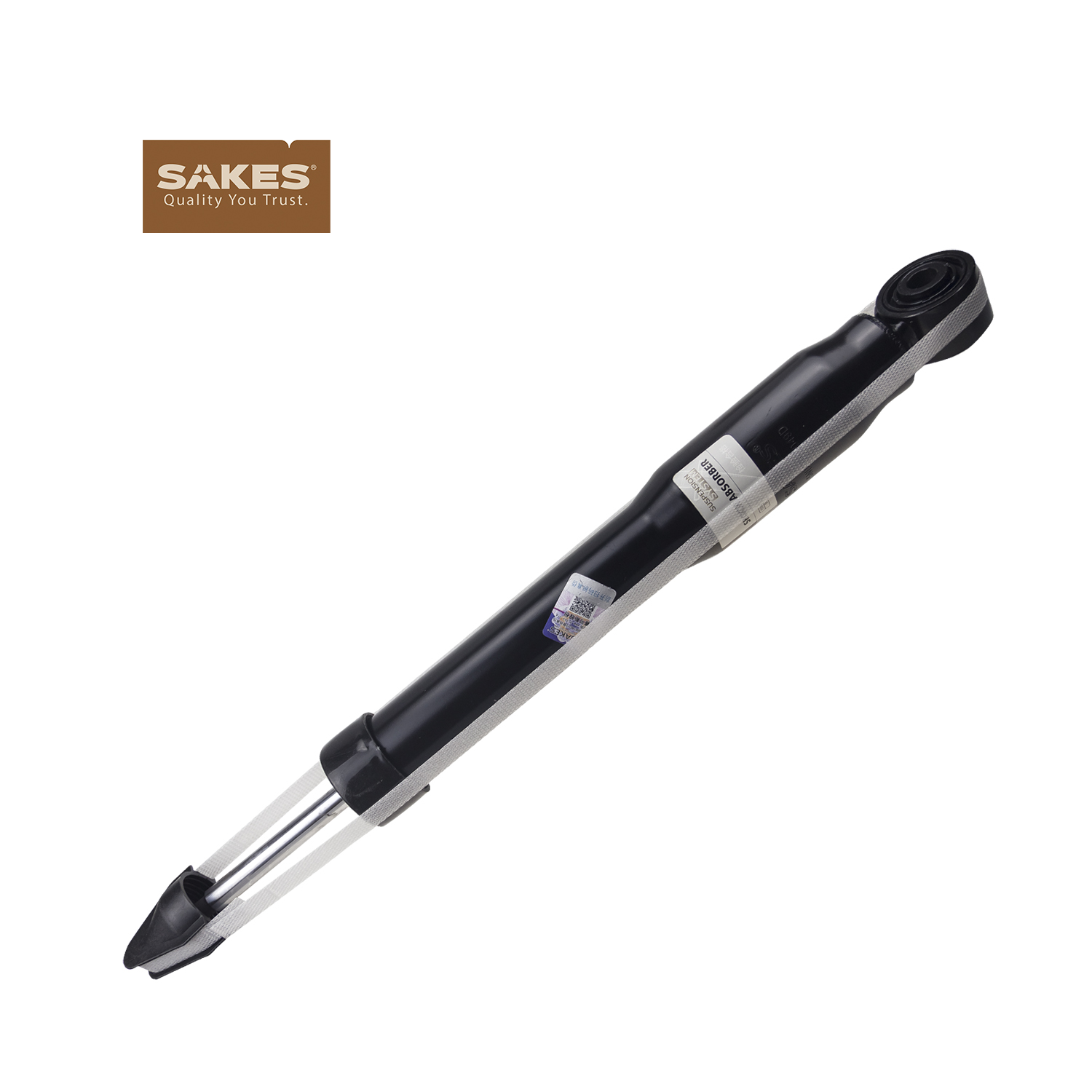
A second risk is a mismatched damping curve, because a unit tuned for comfort feels unsafe under load and one tuned for the load feels harsh empty. Worn mounts compound the problem, because a good shock absorber on a tired bush transmits noise and loses control. The buyer should specify the curve against the duty and check the mounts, because a suspension system is only as good as its weakest joint.
Match the curve to the duty, not the showroom. A unit tuned for comfort feels unsafe under load and one tuned for the load feels harsh empty, so the curve should follow how the vehicle is actually used. Buyers who specify the duty get a damper that suits the driving.
A named owner for each bay keeps accountability clear when a job is handed over.
Technical Principles & Standard Compliance
Load Rating, Damping Curve, and Mount Condition
Choosing shock absorbers for an SUV comes down to three variables that have to be specified together. The load rating is the first, because the unit has to control the spring at the worst weight the vehicle will carry rather than at the unladen figure, and a damper that bottoms out has stopped controlling anything. The damping curve is the second, because the balance between comfort and control is a design choice and a unit tuned for one duty is wrong for the other. The mount condition is the third and the most often missed, because a good shock absorber on a worn bush transmits noise, loses control, and wears faster than it should. The intended use drives all three, since a vehicle that tows, carries a roof load, or runs on rough ground needs a different specification from one that stays on sealed roads. Buyers should also replace in pairs and check the related components, because a new shock absorber on a worn suspension system delivers only part of the improvement. Specifying the load rating, the curve, the mounts, and the duty together produces a damper that suits the vehicle; specifying the size alone produces one that is merely the right shape.
A shock absorber that matches the site and the user group pays for itself through repeat use and fewer repairs.
Actionable Buyer & Maintenance Guide
Matching the Damper to the Duty
Buyers should record the worst load, the towing, and the terrain the SUV will see, then specify shock absorbers rated for that duty with the damping curve and the mount condition confirmed. Suppliers of shock absorbers such as Sakes provide a suv suspension plan that names load rating, curve, and mounts. Replacement should be done in pairs with the mounts checked. A shock absorber matched to the real duty controls the SUV loaded and empty.
A service decision begins with the symptom, because a part replaced without a diagnosis is a cost rather than a repair.
Frequently Asked Questions
Question 1: Do SUVs need different shock absorbers?
Answer: Yes, because an SUV carries more load, sits higher, and meets rougher ground, so the damper works harder than one on a car. A shock absorber rated for the unladen weight fades when the vehicle is full. Buyers should rate the suv suspension for the worst load rather than the average.
Question 2: How is the load rating chosen?
Answer: The load rating follows the worst weight the vehicle will carry, including passengers, cargo, and a roof box, because a damper that bottoms out has stopped controlling the spring. A shock absorber specified for the empty vehicle fails the moment it is loaded. Buyers who rate for the worst case get a suspension system that holds.
Question 3: Should the mounts be replaced too?
Answer: Yes, because a good shock absorber on a worn bush transmits noise, loses control, and wears faster than it should. The mount condition is part of the specification rather than an afterthought. Buyers who check the mounts with the damper get the improvement they paid for.
Question 4: Is it worth upgrading for towing?
Answer: It is worth upgrading where the vehicle tows regularly, because the extra mass at the ball changes the load on the rear damper and a standard unit can overheat and fade. A shock absorber rated for the tow suits the duty. Buyers who tow should rate the suv suspension for the trailer as well as the load.