
 EN
EN
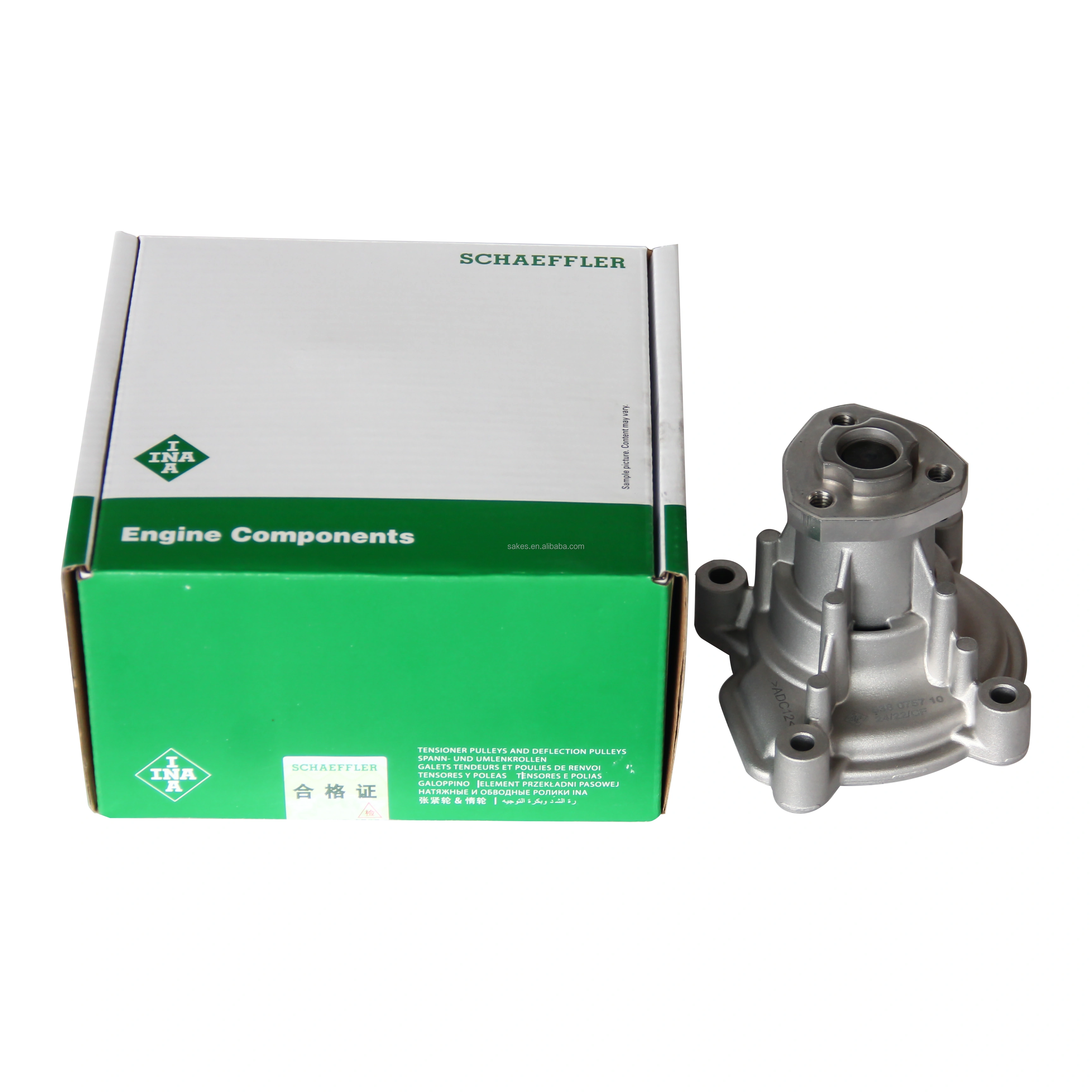
Real-World Lesson From a Failed Cooling System
A delivery fleet running 2015 vans lost three engines in one summer. Each failure traced to a car water pump that had run past its service window. Drivers reported a faint whine at idle, then a temperature warning, then steam. The root cause was not the pump alone. The coolant had never been replaced on schedule, so silicates dropped out and abrasion accelerated seal wear. That story repeats across shops: the car water pump rarely fails alone, it fails inside a neglected cooling system. Routine attention costs far less than a warped head.
What the Whine Actually Means
A high-pitched noise near the timing cover usually signals bearing distress inside the pump. The bearing supports the impeller shaft, and once grease breaks down, radial play grows. Play lets the seal leak. A car water pump with a leaking weep hole has already started its countdown. Catching the sound early turns a planned replacement into a thirty-minute job instead of a roadside tow.
Coolant Is the Pump's Working Fluid
Many treat coolant as a freeze protector only. It also lubricates the mechanical seal and buffers the alloy housing against cavitation. Old coolant turns acidic and eats the seal face. A car water pump lives or dies on fluid chemistry, not just metal quality.
Risk Analysis: What Breaks and Why
Overheating Cascades
When a pump stops moving water, heat builds in minutes. Aluminum heads expand, head gaskets rupture, and warpage follows. The car water pump sits at the center of this chain. A single stuck thermostat can overload a healthy pump, so diagnosis must look at the whole loop.
Belt and Tensioner Load
Most pumps run off the serpentine belt. A worn belt slips, overworks the bearing, and generates heat at the pulley. Replacing a car water pump without checking the tensioner invites a repeat failure within a season.
Professional Analysis: How the Pump Works
Impeller and Flow Path
The impeller spins at crank speed and throws coolant through the block and radiator. Vane count, angle, and material define flow at low rpm where cabin heat matters most. A quality car water pump uses a balanced impeller to avoid harmonic vibration that fatigues the shaft.
Seal and Bearing Design
A spring-loaded mechanical seal keeps coolant away from the bearing. The bearing is a precision double-row unit greased for life. Once the seal leaks, coolant reaches the grease and the race pits. That is why a weep hole exists: it vents the first leak before it reaches the bearing.
Cavitation and Aeration
High rpm or low system pressure lets vapor bubbles form on the impeller. Collapsing bubbles erode metal. A pressurized system (13–16 psi cap) suppresses cavitation. A car water pump depends on the cap and hoses being sound.
Authority References
Automotive quality systems such as IATF 16949 and ISO 9001 govern how pumps are made and trace-checked. SAE papers document impeller flow and bearing life. Shop safety around hot coolant and belt tension falls under OSHA general-duty rules and ANSI machine-guard guidance. Coolant handling and disposal follow local environmental codes. These references set the floor for a part that must survive years of thermal cycling.
Practical Value: Care, Check, Use, Maintain
How to Select a Replacement
Match the OEM part number, not just the engine code. Confirm impeller material and pulley type. A car water pump built to IATF 16949 lines carries documented process control.
How to Inspect
Listen at idle with the hood up. Check the weep hole for dampness. Squeeze hoses for hardness. Scan live coolant temperature with a scanner. Any rising trend past 100°C under load needs action.
How to Use Correctly
Keep coolant mixed to spec and topped to the mark. Avoid long idling in traffic with the A/C on a hot day if the fan is weak. The car water pump shares load with the fan and cap.
How to Maintain
Flush on the interval in the service manual, not by color alone. Replace the belt and tensioner together. Torque the pulley bolts to spec; loose bolts fracture the hub. Record the date and mileage.
Frequently Asked Questions
Question: How often should a car water pump be replaced?
Answer: Many pumps last 90,000–150,000 km, but the interval depends on coolant care and belt condition. A car water pump should be inspected at every coolant service and replaced when the weep hole leaks or bearing noise appears, even if under the mileage limit. Timing-belt engines often pair pump replacement with belt service to save labor. Manufacturer guidance and local climate both shift the number, so condition-based checks beat a fixed calendar.
Question: Can a car water pump fail without leaking?
Answer: Yes. Bearing seizure or impeller slip can stop flow with no external leak. A car water pump with a corroded or loose impeller may spin but move little coolant, causing gradual overheating. Listen for growl and watch temperature trends. Some plastic impellers fracture internally and pass debris into the block. Non-leaking failures are harder to spot, which is why scanner-based temperature logging helps catch them early.
Question: Is coolant type important for pump life?
Answer: Critical. The wrong formula lacks the additives that protect the seal and resist cavitation. A car water pump sealed for organic acid coolant fails faster on silicate-heavy fluid and vice versa. Mixing types can gel and clog the impeller. Always follow the spec in the manual, typically a 50/50 mix, and use distilled water. Fluid chemistry directly drives seal and bearing survival.
Question: Should the serpentine belt be replaced with the pump?
Answer: Strongly recommended on belt-driven units. A car water pump shares the serpentine path with the tensioner and other accessories. A failing belt or weak tensioner overloads the new bearing and causes early noise. Replacing the belt, tensioner, and sometimes the idler together restores the whole drive. The small extra cost prevents a repeat teardown weeks later and protects the fresh pump.
Question: What noise indicates pump bearing failure?
Answer: A steady whine or grind from the timing area that changes with rpm points to bearing distress. A car water pump near failure often sounds louder at cold start, then settles as grease warms. Metallic chirp under load is another sign. Do not confuse it with belt squeal, which changes with spray water. Confirm by listening at the pulley and checking for weep-hole dampness.
Question: Can overheating damage the pump itself?
Answer: Yes. Heat hardens the seal elastomer and expands the housing, increasing shaft play. A car water pump that survives one overheat event may leak soon after because the seal face cracked. Repeated thermal shock also weakens the impeller bond. After any severe overheat, inspect the weep hole, belt tension, and temperature behavior during a test drive before trusting the cooling system again.
Table of Contents
- Real-World Lesson From a Failed Cooling System
- Risk Analysis: What Breaks and Why
- Professional Analysis: How the Pump Works
- Authority References
- Practical Value: Care, Check, Use, Maintain
-
Frequently Asked Questions
- Question: How often should a car water pump be replaced?
- Question: Can a car water pump fail without leaking?
- Question: Is coolant type important for pump life?
- Question: Should the serpentine belt be replaced with the pump?
- Question: What noise indicates pump bearing failure?
- Question: Can overheating damage the pump itself?