
 EN
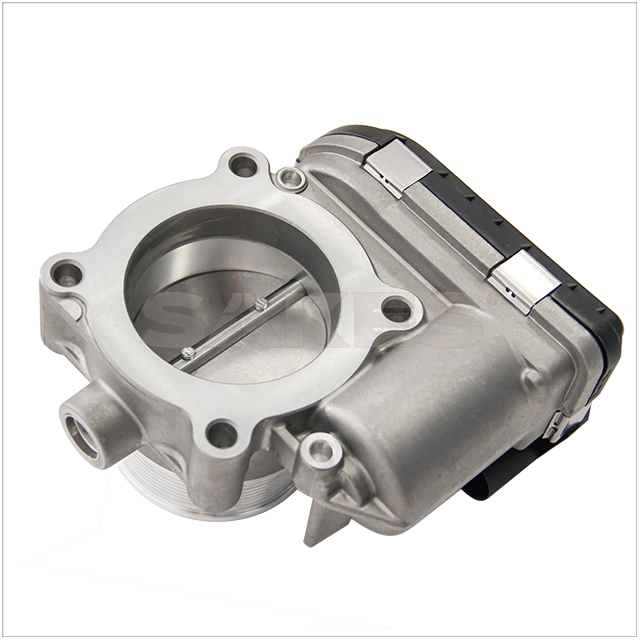
Recognizing the Key Signs a Throttle Body Needs Cleaning
Unexplained Idle Instability, Stalling, or Rough Idling
A dirty throttle body often first reveals itself through erratic idle behavior. Carbon and oily residue coat the butterfly valve—designed to regulate airflow precisely at low engine speeds—disrupting its ability to seal and move smoothly. As a result, the engine control unit (ECU) struggles to maintain consistent airflow, causing RPM fluctuations of 100–300 rpm without driver input. In advanced cases, this instability leads to stumbling or stalling at stops or traffic lights. Crucially, this roughness rarely signals major mechanical failure; instead, it reflects degraded airflow sensing—the throttle position sensor (TPS) sends inconsistent feedback because the valve cannot settle into its intended position. Early professional cleaning restores smooth idling and helps prevent secondary wear on engine mounts and drivetrain components.
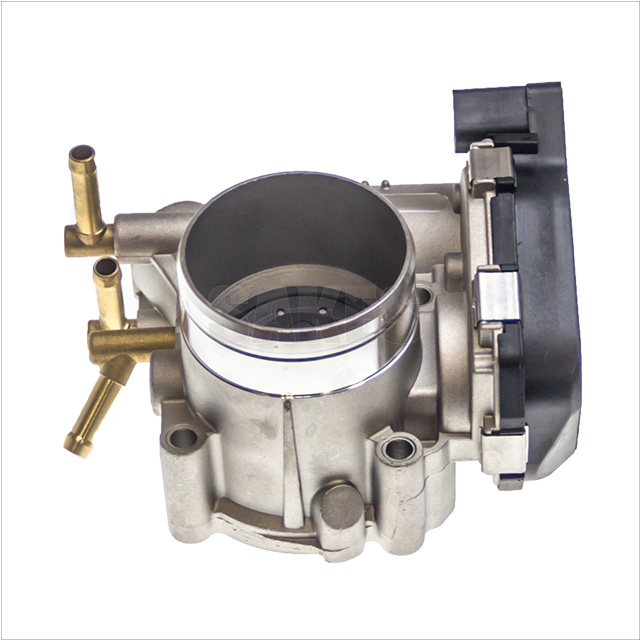
Delayed or Hesitant Throttle Response During Acceleration
A noticeable lag between pressing the accelerator and vehicle response is another hallmark of throttle body contamination. Deposits on the throttle plate and bore create friction and uneven movement, delaying valve opening and disrupting the air-fuel mixture needed for immediate power delivery. This hesitation is especially apparent during low-speed maneuvers like merging or pulling away from a stop. Solvent-based cleaning removes these carbon gums and varnish, restoring crisp, linear throttle response in most cases. If hesitation persists after a thorough clean, deeper issues—such as worn throttle actuators or sensor faults—should be investigated.
Understanding When Throttle Body Cleaning Is Sufficient (vs. Replacement)
How Carbon Buildup Affects Airflow Sensing and Valve Sealing
Carbon deposits compromise two critical functions: precise airflow control and accurate position sensing. At idle, the throttle plate must seal nearly completely, allowing only a tightly regulated bypass airflow. Sticky residue along the bore and plate edges creates an irregular gap, misleading the ECU about actual air volume—and triggering overcorrection by the idle air control system. Simultaneously, buildup insulates the throttle position sensor, delaying or distorting its signal about the plate’s true angle. Light, tacky deposits respond well to professional cleaning, restoring both smooth bore operation and reliable sensor feedback without hardware replacement.
Identifying Reversible Deposits vs. Irreversible Wear or Corrosion
Not all contamination is treatable with cleaning. Reversible deposits appear as dry, flaky soot or black varnish that dissolves readily with throttle body cleaner. In contrast, irreversible damage includes abrasive scoring of the bore or plate—often caused by long-term ingestion of unfiltered particulates—or white, powdery corrosion around shaft bearings, indicating moisture intrusion that may seize the actuator motor. Electrical failures—like a dead TPS or internal short—also lie beyond the scope of cleaning. A simple diagnostic test: if the throttle plate moves freely by hand and the bore feels smooth before cleaning, deposits are likely the cause. Persistent symptoms post-cleaning suggest mechanical or electronic failure, making replacement the appropriate solution.
Recommended Throttle Body Cleaning Intervals and Triggers
OEM Guidelines: Typical 30,000–50,000-Mile Intervals Explained
Most manufacturers recommend throttle body cleaning every 30,000–50,000 miles to preserve airflow accuracy and idle stability. A 2022 review of OEM service schedules found that 75% advise inspection by 60,000 miles—with earlier cleaning recommended for direct-injection engines, which are more prone to intake-side carbon accumulation. These intervals reflect engineering insights: even a 10% airflow restriction can reduce idle speed by ~150 RPM (SAE Technical Paper, 2020), while unchecked buildup degrades fuel trims and combustion efficiency. Per EPA emissions research (2021), skipping scheduled cleaning may reduce engine efficiency by up to 10%, impacting fuel economy and emissions compliance.
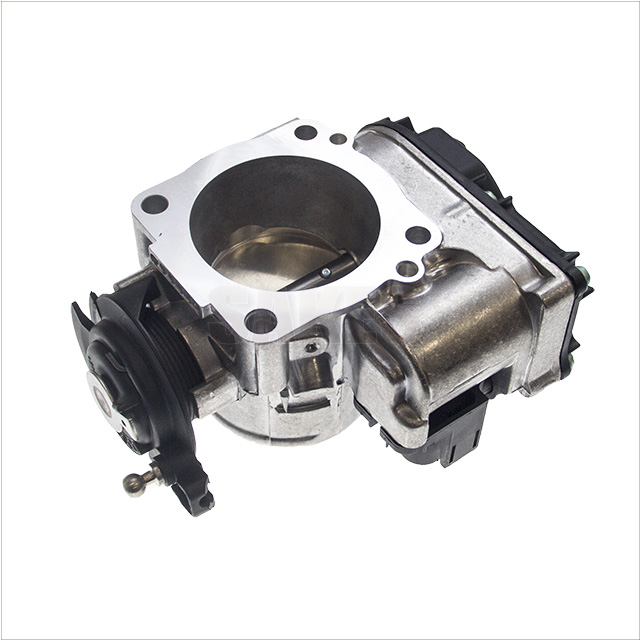
Real-World Adjustments: Impact of Short Trips, Low-Quality Fuel, and PCV System Health
Real-world conditions often necessitate more frequent cleaning. Short trips—under five miles—prevent full engine warm-up, increasing incomplete combustion and deposit formation by 40% (2023 industry survey). Low-quality fuel with high sulfur or olefin content leaves sticky residues that bond aggressively to throttle surfaces, while a failing positive crankcase ventilation (PCV) system introduces oil mist into the intake tract, accelerating buildup and potentially halving the effective cleaning interval. Under such conditions, cleaning every 20,000 miles may be prudent. Monitoring live data—such as long-term fuel trims and idle stability—offers a condition-based trigger, allowing proactive maintenance before performance suffers.
FAQ
What are the signs that a throttle body needs cleaning?
Signs include rough idling, stalling, idle instability, and delayed throttle response during acceleration. These symptoms often point to airflow disruptions caused by carbon buildup.
How often should I clean my throttle body?
Manufacturers typically recommend cleaning intervals between 30,000–50,000 miles, though frequent short trips, low-quality fuel, or PCV system issues may necessitate cleaning every 20,000 miles.
Can cleaning solve all throttle body issues?
Not all issues can be resolved through cleaning. While reversible deposits like carbon and varnish respond well to cleaning, irreversible damage or electrical failures may require throttle body replacement.
What tools or cleaners should I use for cleaning?
Use professional-grade throttle body cleaner and follow the manufacturer’s instructions. Ensure proper safety precautions to avoid damaging electrical components.
What happens if I don’t clean my throttle body?
Neglecting throttle body cleaning can result in reduced engine efficiency, poor fuel economy, idle instability, and potentially higher emissions, adversely affecting performance over time.