
 EN
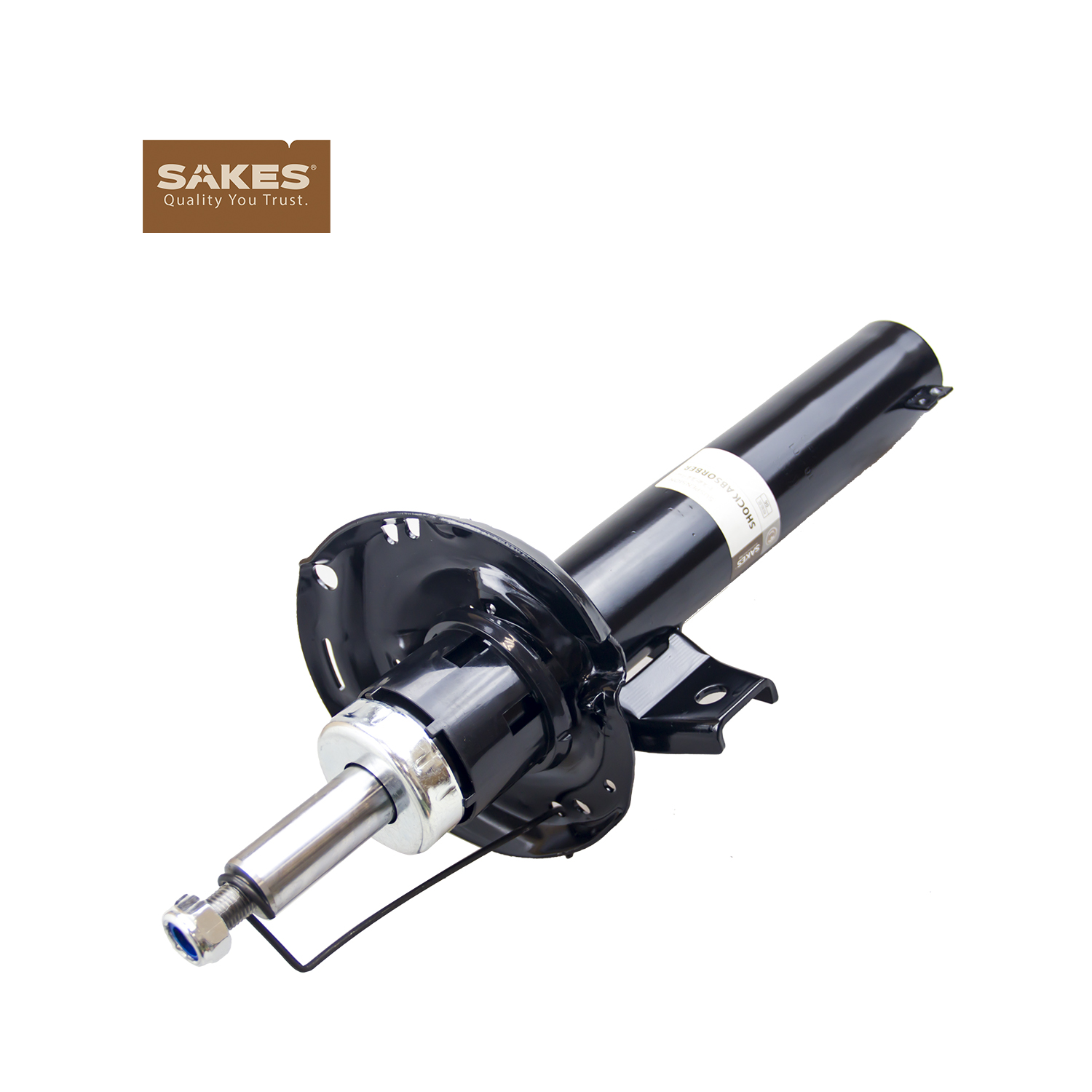
Rebound is the half of the damping stroke that returns the wheel to the road, and a shock absorber that rebounds abnormally has usually lost the control that half provides. The causes are internal and external, and the external ones are cheaper and more common. Buyers who separate the two before replacing avoid the part that does not fix the symptom. The guidance below covers real vehicles, the failure modes behind an abnormal rebound, the engineering of each, and a buyer checklist for rebound damping and a suspension fault.
Real-World Industry Case / Scenario
A Van That Bounced After Every Bump
A van bounced two or three times after each bump, and the cause was a shock absorber that had lost its gas charge and no longer controlled the rebound stroke. Replacing the unit restored the settling. The buyer learned that a lost charge shows as abnormal rebound, and that a damper rebound that oscillates has lost its control.
Specified against the real duty, shock absorber pays back through fewer failures and longer service.
A documented care routine keeps shock absorber inside rated limits and extends working life.
A Car That Traced the Fault to the Mount
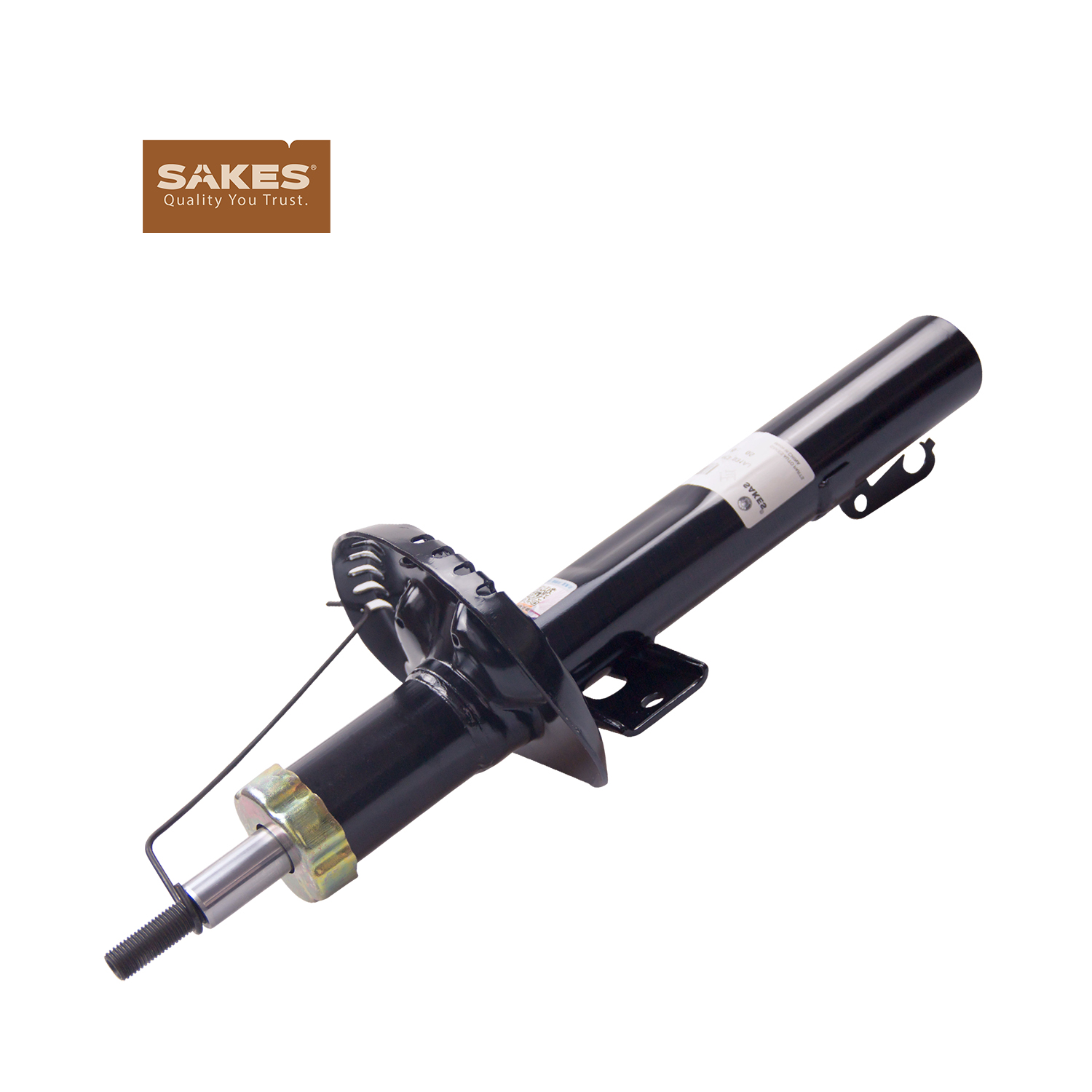
A car showed abnormal rebound at one corner and the technician found a torn top mount rather than a failed damper, so the unit was never controlling the spring in the first place. Replacing the mount fixed it for a fraction of the cost. The buyer learned that a suspension fault at the mount mimics a damper failure, and that the mount is checked before the part.
Buyers who log each unit of shock absorber after every shift catch small faults before they become safety issues.
Count the bounces at each corner. A corner that oscillates where the others settle isolates the failing unit, and the count is evidence the workshop can act on. Drivers who count the bounces arrive with the diagnosis half made.
Risk & Failure Mode Analysis
Lost Gas Charge and Worn Valves
The dominant internal cause is a lost gas charge or worn internal valves, because the shock absorber can no longer resist the rebound stroke and the spring oscillates instead of settling. A damper rebound that bounces two or three times has lost its control. The fix is replacement, because a unit that has lost its charge cannot be restored.
The case for shock absorber is strongest where demand is continuous and the specification is fixed.
The best return on shock absorber comes when installation and maintenance are treated as part of the product.
Mount and Bush Faults Mimicking the Failure
A second cause is external, because a torn mount or a worn bush lets the shock absorber move in its housing and the symptom is identical to a failed unit. A suspension fault at the joint is cheaper and more common than the internal failure it mimics. The technician should check the mount before ordering the part, because a damper rebound fault at the mount is fixed with a bush rather than a unit.
Choosing shock absorber starts with the duty, the environment, and the volume involved.
Check the mount before the unit. A torn mount or a worn bush lets the damper move in its housing and produces exactly the symptom of a failure, so the joint should be inspected first. Buyers who check the mount avoid replacing a shock absorber that was never controlling the spring.
Technical Principles & Standard Compliance
Gas Charge, Internal Valves, and Mount Condition
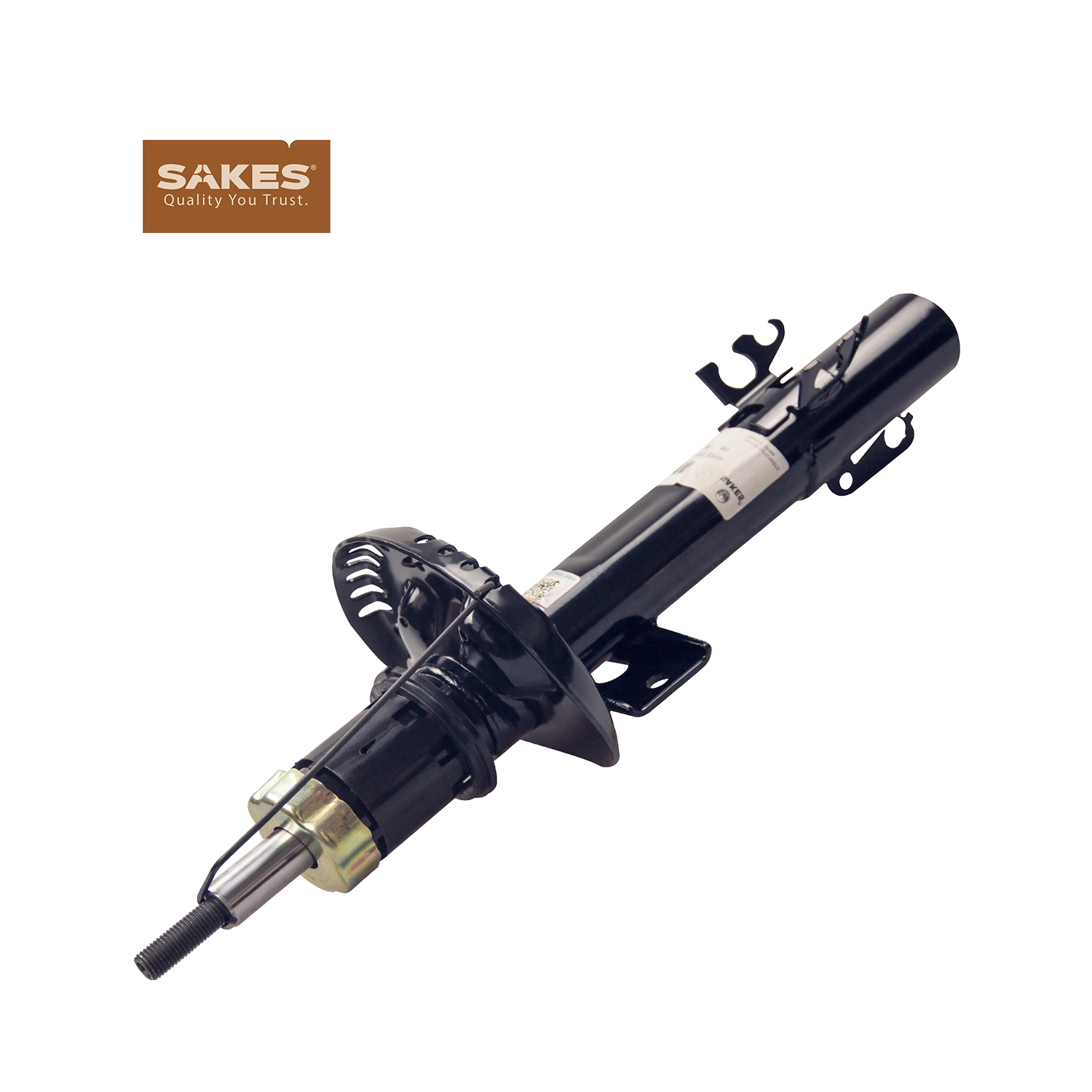
Abnormal rebound in a shock absorber has internal and external causes, and separating them is what keeps the repair honest. The gas charge is the first internal cause, because the pressurised gas resists the rebound stroke and a unit that has lost it can no longer control the spring, so the vehicle oscillates instead of settling. The internal valves are the second, because they meter the oil in each direction and a worn valve set produces a rebound that is either too fast or too slow for the compression stroke. The mount condition is the external cause and the one most often missed, because a torn mount or a worn bush lets the unit move in its housing and produces exactly the symptom of a failed damper at a fraction of the cost. The tyre wear pattern and the noise at the joint are the corroborating evidence, since a suspension fault at the mount usually shows as a knock over small bumps. Buyers should check the mount and the bush before ordering the part, because a damper rebound fault at the joint is fixed with a bush rather than a unit, and replacing a shock absorber that was never controlling the spring wastes the part and leaves the symptom.
A clean, dry store keeps shock absorber serviceable and shortens the return-to-service time.
Listen for a knock over small bumps. A suspension fault at the mount usually announces itself as a knock before the rebound behaviour becomes obvious, so the noise is the earlier signal. Technicians who listen for the knock catch the fault before the part is ordered.
Actionable Buyer & Maintenance Guide
Separating Internal From External
Buyers should have the mounts and bushes checked before the shock absorber is condemned, then look at the rebound behaviour and the tyre wear for corroboration. A shock absorber that was never controlling the spring is replaced at cost and the symptom remains. Suppliers of shock absorbers such as Sakes provide a diagnostic guide that separates charge loss, valve wear, and mount faults. Replacement should be done in pairs with the mounts. A damper rebound fault diagnosed correctly is fixed once rather than twice.
Buyers who weigh material and specification as highly as price get more from shock absorber.
Replace in pairs with the mounts. A single new unit on a worn partner delivers only part of the improvement, and a new unit on a torn mount delivers none. Buyers who replace in pairs with the mounts fix the damper rebound fault once rather than twice.
Frequently Asked Questions
Question 1: What causes abnormal rebound?
Answer: Abnormal rebound is caused by a lost gas charge, worn internal valves, or a mount fault that stops the damper controlling the spring. A shock absorber that has lost its charge cannot be restored, while a mount fault is fixed with a bush. Buyers who separate the internal causes from the external one before ordering avoid the part that does not fix the symptom.
Question 2: How many bounces are too many?
Answer: More than one or two bounces after a bump is too many, because a shock absorber that still controls the spring settles it almost immediately. A damper rebound that oscillates has lost its control. Drivers who count the bounces at each corner isolate the corner before the workshop does.
Question 3: Can a mount cause the same symptom?
Answer: Yes, because a torn mount or a worn bush lets the unit move in its housing and produces exactly the symptom of a failed damper. A suspension fault at the joint is cheaper and more common than the internal failure it mimics. Technicians who check the mount first avoid replacing a shock absorber that was never controlling the spring.
Question 4: Is replacement the only fix?
Answer: Replacement is the only fix for a lost charge or worn valves, because neither can be restored, but a mount fault is fixed with a bush at a fraction of the cost. The diagnosis decides which. Buyers who have the mount checked before the part is ordered pay for the repair that actually repairs.