
 EN
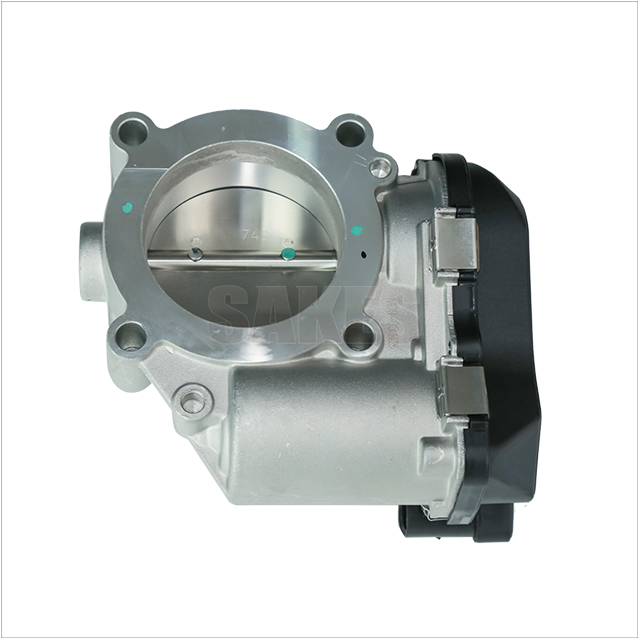
The metered air is what the fuel injection system meters against, so a plate that is not closing cleanly changes the mixture as well as the idle. A throttle body that jams turns a smooth engine into an unpredictable one, because the air supply stops responding to the pedal. The causes are few and they are all identifiable, and the difference between a clean and a fix is knowing which one applies. Buyers who diagnose the throttle body before replacing parts avoid the repair that does not repair. The guidance below covers real engines, the failure modes behind a jam, the engineering of each cause, and a buyer checklist for a throttle valve and engine idle.
Real-World Industry Case / Scenario
A Car That Stuck at Idle
A car developed an erratic idle that occasionally stuck high, and the cause was carbon buildup around the throttle valve that stopped it closing cleanly. Cleaning the throttle body and relearning the idle restored the behaviour. The buyer learned that buildup is the most common cause of a jam, and that a throttle body cleaned before it is replaced saves the part.
Read the fault data before ordering the part. A stored code and a live data reading point to the actuator where a mechanical bind does not, so the data separates the causes. Buyers who insist on the data avoid the throttle body replaced without a diagnosis.
A service decision begins with the symptom, because a part replaced without a diagnosis is a cost rather than a repair.
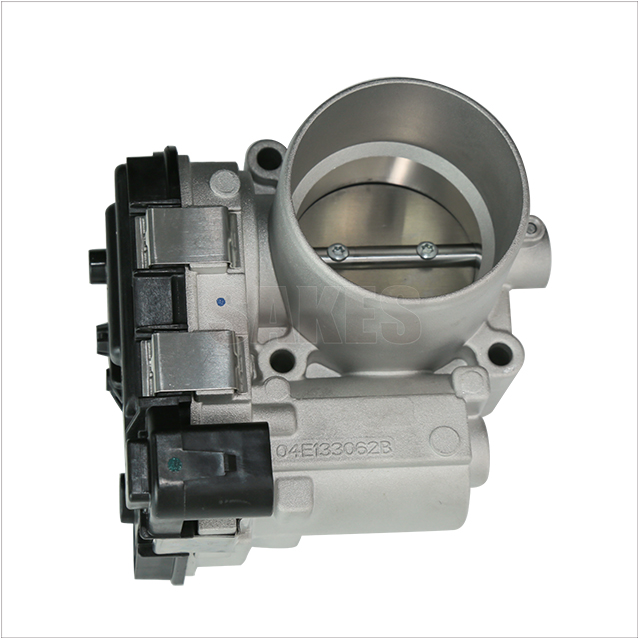
A Vehicle With a Failing Actuator
A vehicle with a drive-by-wire throttle body stuck open under load, and the cause was an actuator that had lost its calibration rather than a mechanical obstruction. Replacing and recalibrating the unit fixed it. The buyer learned that a jam can be electronic, and that a throttle body that sticks is not always dirty.
Check the shaft and the plate for a mechanical bind. A worn shaft binds at a particular pedal position rather than across the whole range, which is what distinguishes it from a deposit jam. Technicians who feel the range identify the mechanical fault before the part is ordered.
A documented service history keeps the same standard across workshops and technicians.
Risk & Failure Mode Analysis
Carbon Buildup at the Throttle Valve
The dominant cause is carbon buildup around the throttle valve, because the deposits stop the plate closing cleanly and the engine idles on air it should not have. A throttle body that is jammed by buildup often responds to a clean rather than a replacement. The fix is a proper clean and an idle relearn, because a jam caused by deposits is a maintenance issue rather than a part failure.
Specified against the real duty, throttle body pays back through fewer failures and longer service.
The case for throttle body is strongest where demand is continuous and the specification is fixed.
Actuator Failure and Calibration Loss
A second cause is the actuator, because a drive-by-wire throttle body that sticks under load may have an actuator that has lost calibration or is failing electrically. A jam that is electronic will not respond to a clean. The technician should read the fault data before replacing, because a throttle body replaced without a diagnosis is a cost rather than a repair.
Clean properly rather than partially. A throttle body cleaned with the wrong solvent or without removing the plate leaves deposits in the bore, so the jam returns. Buyers who have the clean done properly avoid the second visit for the same symptom.
Spare fasteners and seals on hand turn a stripped thread into a short stop rather than a wait.
Technical Principles & Standard Compliance
Deposits, Mechanical Wear, and Actuator Control
A throttle body jams for one of three reasons, and each has a different fix, which is why the diagnosis comes before the part. Deposits are the most common, because carbon builds around the throttle valve and stops the plate closing cleanly, so the engine idles on air it should not have and the throttle body responds to a clean rather than a replacement. Mechanical wear is the second, because a worn shaft or a bent plate binds and the jam appears at a particular pedal position rather than across the range. Actuator control is the third, because a drive-by-wire unit that sticks under load may have an actuator that has lost calibration or is failing electrically, and a jam of that kind will not respond to any amount of cleaning. The fault data is what separates them, since a stored code and a live data reading point to the actuator where a mechanical bind does not. Buyers should insist on the diagnosis before the part, because a throttle body replaced without one is a cost rather than a repair, and an engine idle that is wrong after the replacement usually means the real cause was never addressed.
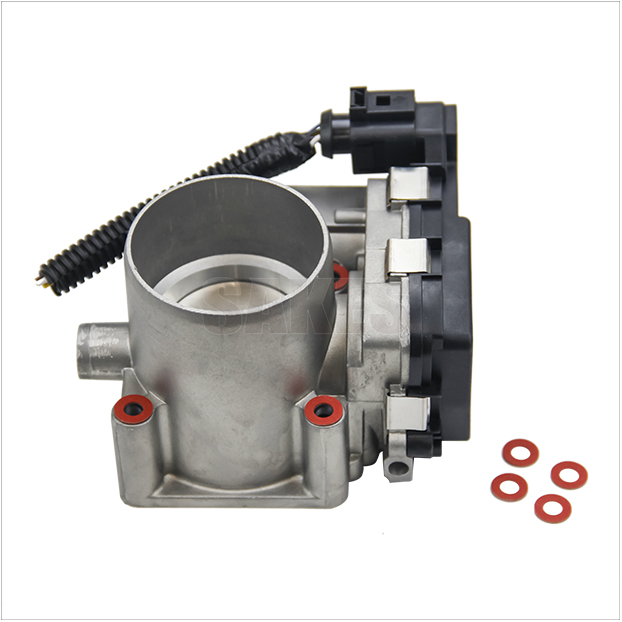
Relearn the idle after the clean. The engine has adapted to the restricted airflow and will idle incorrectly until it relearns, so an engine idle that is wrong after the clean usually means the relearn was skipped. Buyers who insist on the relearn get the behaviour the clean was meant to restore.
A named owner for each bay keeps accountability clear when a job is handed over.
Actionable Buyer & Maintenance Guide
Diagnosing Before Replacing
Buyers should have the fault data read and the throttle body inspected for deposits and mechanical bind before any part is ordered, then clean and relearn the idle where deposits are the cause. Suppliers of throttle bodies such as Sakes provide a diagnostic guide that separates deposits, wear, and actuator faults. The idle should be relearned after any clean. A throttle body diagnosed before it is replaced avoids the repair that does not repair.
Buyers who log each unit of throttle body after every shift catch small faults before they become safety issues.
Frequently Asked Questions
Question 1: What is the most common cause of jamming?
Answer: The most common cause is carbon buildup around the throttle valve, because the deposits stop the plate closing cleanly and the engine idles on air it should not have. A throttle body jammed by buildup usually responds to a clean rather than a replacement. Buyers who clean first save the part and the labour.
Question 2: Can a jam be electronic?
Answer: Yes, because a drive-by-wire throttle body that sticks under load may have an actuator that has lost calibration or is failing electrically, and that jam will not respond to cleaning. The fault data is what separates the electronic cause from the mechanical one. Technicians who read the data before replacing avoid the wrong part.
Question 3: How is a mechanical bind identified?
Answer: A mechanical bind is identified by inspecting the shaft and the plate for wear and by feeling for resistance across the pedal range, because a worn shaft binds at a particular position rather than across the whole range. A throttle body with a mechanical fault needs the part. Buyers who have the inspection done first know which cause applies.
Question 4: Should the idle be relearned after cleaning?
Answer: Yes, because the engine has adapted to the restricted airflow and will idle incorrectly until it relearns the new position, so an engine idle that is wrong after a clean usually means the relearn was skipped. The relearn is part of the job rather than an option. Buyers who insist on the relearn get the behaviour the clean was meant to restore.