
 EN
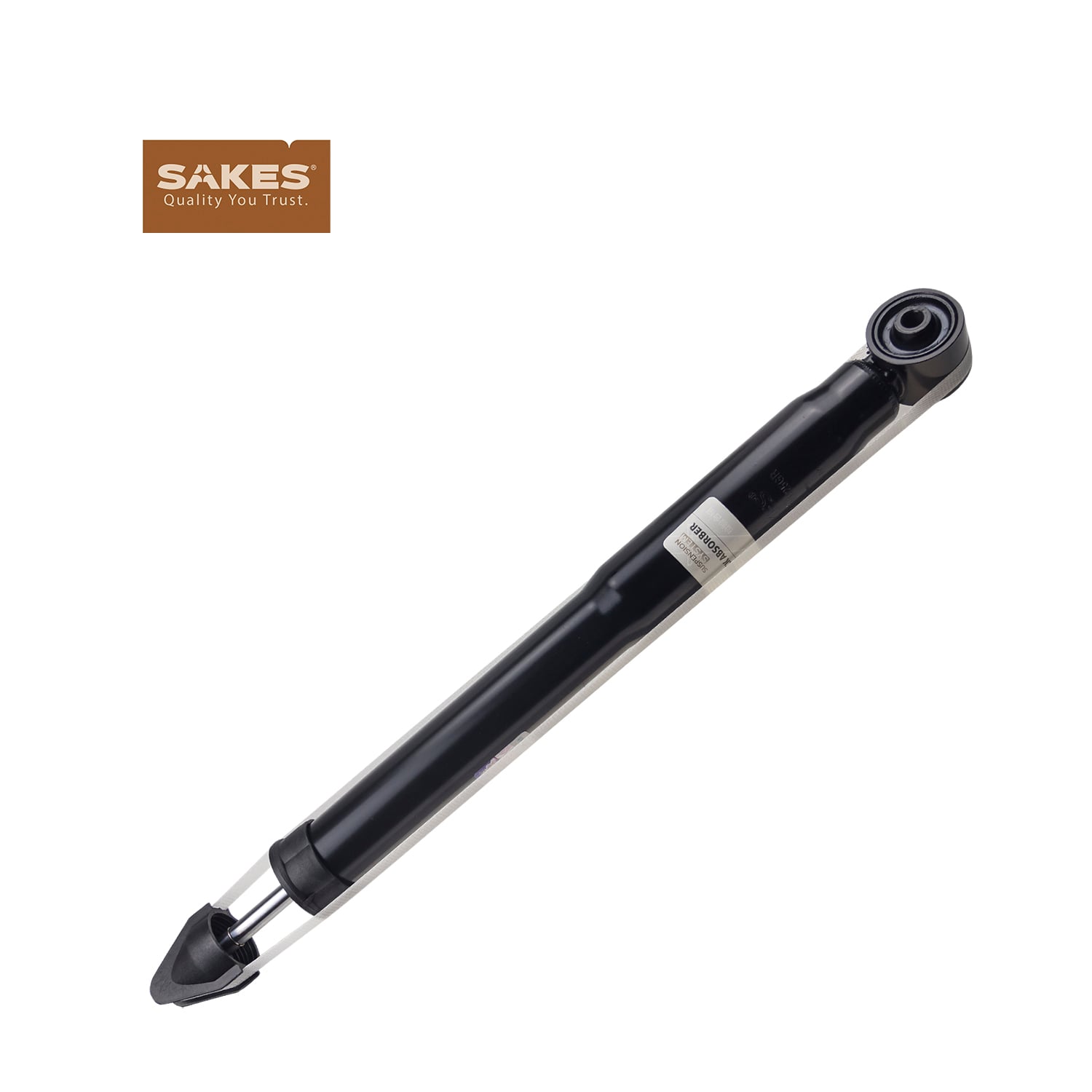
A failing shock absorber rarely announces itself, because the loss of damping is gradual and the driver adapts to it. The gap between a unit that is caught early and one that is caught after it has damaged the tyres and the springs sits in a systematic inspection. Buyers and technicians who check the shock absorber on a routine find the wear before it becomes a bill. The guidance below covers real inspections, the failure modes that are easy to miss, the engineering behind each check, and a buyer checklist for suspension wear and a damper inspection.
Real-World Industry Case / Scenario
A Technician Who Found the Oil Trace
A technician inspecting a vehicle for a tyre wear complaint found a light oil film on the shock absorber body, which is the earliest visible sign of a failing seal. Replacing the unit before it lost damping completely saved the springs and the tyres. The buyer learned that the oil trace is the earliest evidence, and that a damper inspection catches the shock damage while it is still cheap.
A shock absorber that matches the site and the user group pays for itself through repeat use and fewer repairs.
Read the tyre wear for corroboration. A damper that is not controlling the spring shows as uneven or scalloped wear, which is evidence the bounce test cannot give. Technicians who read the wear pattern confirm the diagnosis before the part is ordered.
A Driver Who Did the Bounce Test
A driver who noticed the vehicle wallowing did a bounce test at each corner and found one corner oscillating where the others settled, which isolated the failing unit. Replacing that shock absorber restored the behaviour. The buyer learned that the bounce test is a valid check, and that a shock absorber that oscillates has lost its damping.
Operators who log each shock absorber after every event catch small faults before they become safety issues.
A clean, dry shock absorber stores better and returns to service faster than one packed away wet.
Risk & Failure Mode Analysis
Missing the Early Oil Trace
The dominant inspection failure is missing the early oil trace, because a light film on the body is the first sign of a seal failure and it is easy to wipe away or overlook. A shock absorber that is already leaking will lose damping quickly once the oil level drops. The fix is to inspect the body and the seal on a routine, because damper inspection catches the shock damage while it is still a part rather than a system.
Inspect the body, not only the behaviour. An oil film on the body is the earliest visible evidence of a failing seal, and it appears long before the damping is obviously gone. Buyers who look at the body catch the shock damage while it is still a part rather than a system.
Road test after the repair. The only confirmation that the damper inspection was correct is the behaviour on the road, because a bench check cannot see the interaction with the springs. Buyers who road test confirm the repair rather than the invoice.
Ignoring the Mounts and the Bushes
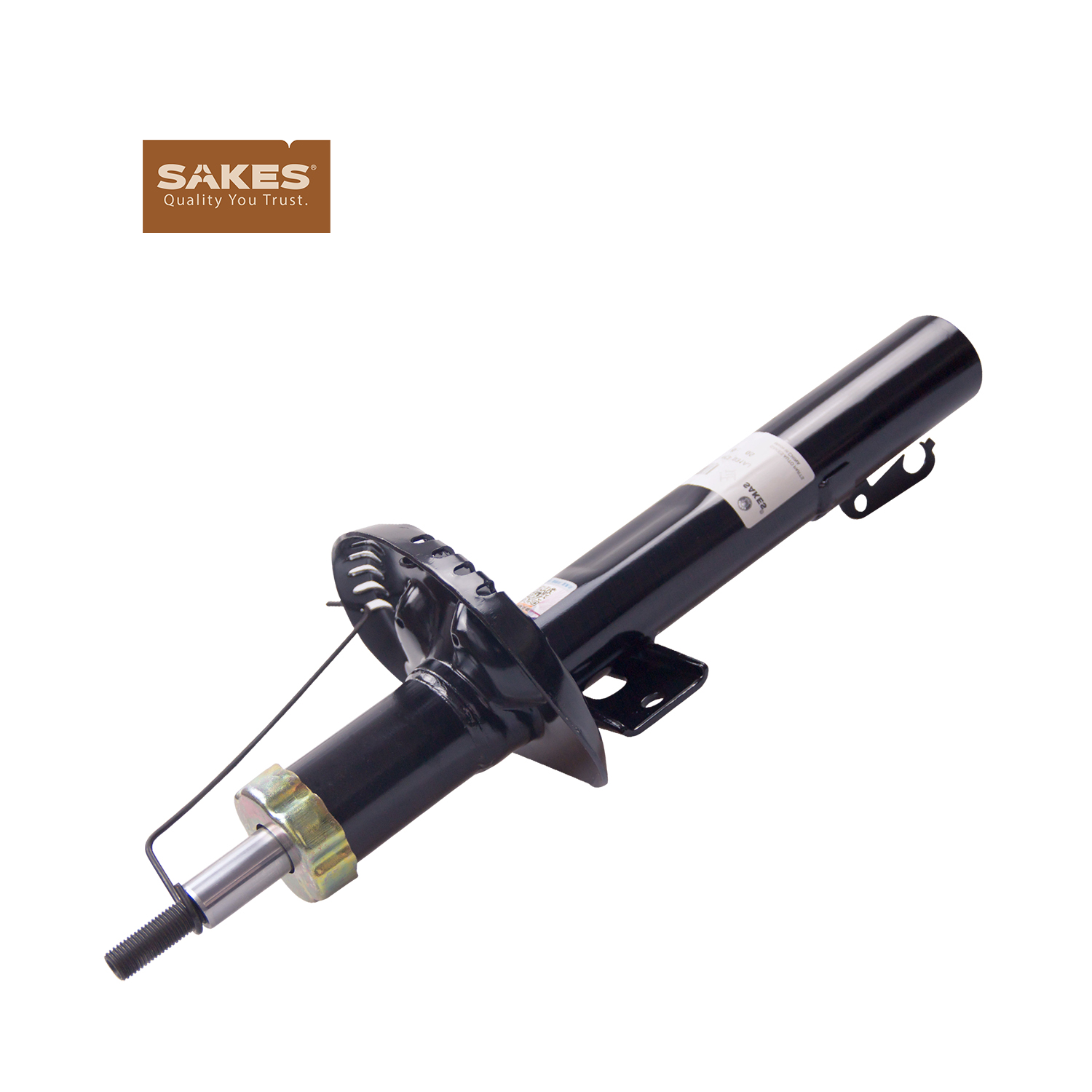
A second risk is inspecting the shock absorber and ignoring the mounts, because a worn bush or a cracked mount produces the same symptoms as a failed damper and a new unit will not fix it. The technician should check the whole joint. The buyer should replace the mounts with the unit where they are worn, because suspension wear at the mount is as common as wear inside the damper.
The shock absorber remains a strong choice where foot traffic is high and supervision is active.
The shock absorber rewards buyers who weigh material and anchoring as highly as price.
Technical Principles & Standard Compliance
Leakage, Mount Condition, and Damping Behaviour
A systematic inspection of a shock absorber covers three areas, and skipping any one of them leaves the fault hidden. Leakage is the first, because an oil film on the body or a wet seal is the earliest visible evidence of a failing unit, and a damper that has lost oil has lost damping with it. Mount condition is the second, because a worn bush or a cracked mount produces the same symptoms as a failed damper, so a new shock absorber on a tired joint fixes nothing. Damping behaviour is the third, because the bounce test at each corner shows whether the unit still controls the spring or lets it oscillate. The tyre wear pattern is corroborating evidence, since a damper that is not controlling the spring shows as uneven or scalloped wear. Buyers should inspect the body, the seal, the mount, and the behaviour together, because a damper inspection that checks only the body misses the fault that is in the joint. Replacing in pairs and checking the related components completes the job, since a single new shock absorber on a worn suspension system delivers only part of the improvement.
Check the mounts and bushes with the unit. A worn bush produces the same symptoms as a failed damper, so the joint should be inspected at the same time. Buyers who check the whole joint avoid the replacement that does not fix the symptom.
A service decision begins with the symptom, because a part replaced without a diagnosis is a cost rather than a repair.
Actionable Buyer & Maintenance Guide
Running a Systematic Check
Buyers and technicians should check the shock absorber body and seal for oil, the mounts and bushes for wear, and the bounce at each corner for oscillation, then look at the tyre wear for corroboration. Suppliers of shock absorbers such as Sakes provide a damper inspection guide that names each check. Replacement should be done in pairs with the mounts. A shock absorber inspected on a routine is caught before the suspension wear becomes a larger bill.
Choosing the right shock absorber starts with the number of users and the surface it will sit on.
Frequently Asked Questions
Question 1: What is the first sign of a failing shock absorber?
Answer: The first sign is usually a light oil film on the body, because that indicates the seal is beginning to pass oil and the damping will follow. A wet or coated seal is the earliest visible evidence. Buyers who inspect the body on a routine catch the shock damage while it is still a part rather than a system.
Question 2: Is the bounce test reliable?
Answer: The bounce test is a useful check, because a corner that oscillates where the others settle indicates the unit is no longer controlling the spring. It is not a measurement but it isolates the corner. Technicians who combine the bounce test with a body and mount inspection get a reliable damper inspection.
Question 3: Why do the mounts matter?
Answer: The mounts matter because a worn bush or a cracked mount produces the same symptoms as a failed damper, so a new shock absorber on a tired joint fixes nothing. The mount is where most of the noise and the lost control originates. Buyers who check and replace the mounts with the unit get the improvement they paid for.
Question 4: Should they be replaced in pairs?
Answer: Yes, because a suspension system works as a pair at each axle and a single new shock absorber on a worn partner delivers only part of the improvement and can unsettle the balance. Replacement in pairs is the standard practice. Buyers who replace in pairs get consistent suspension wear behaviour across the axle.