
 EN
EN
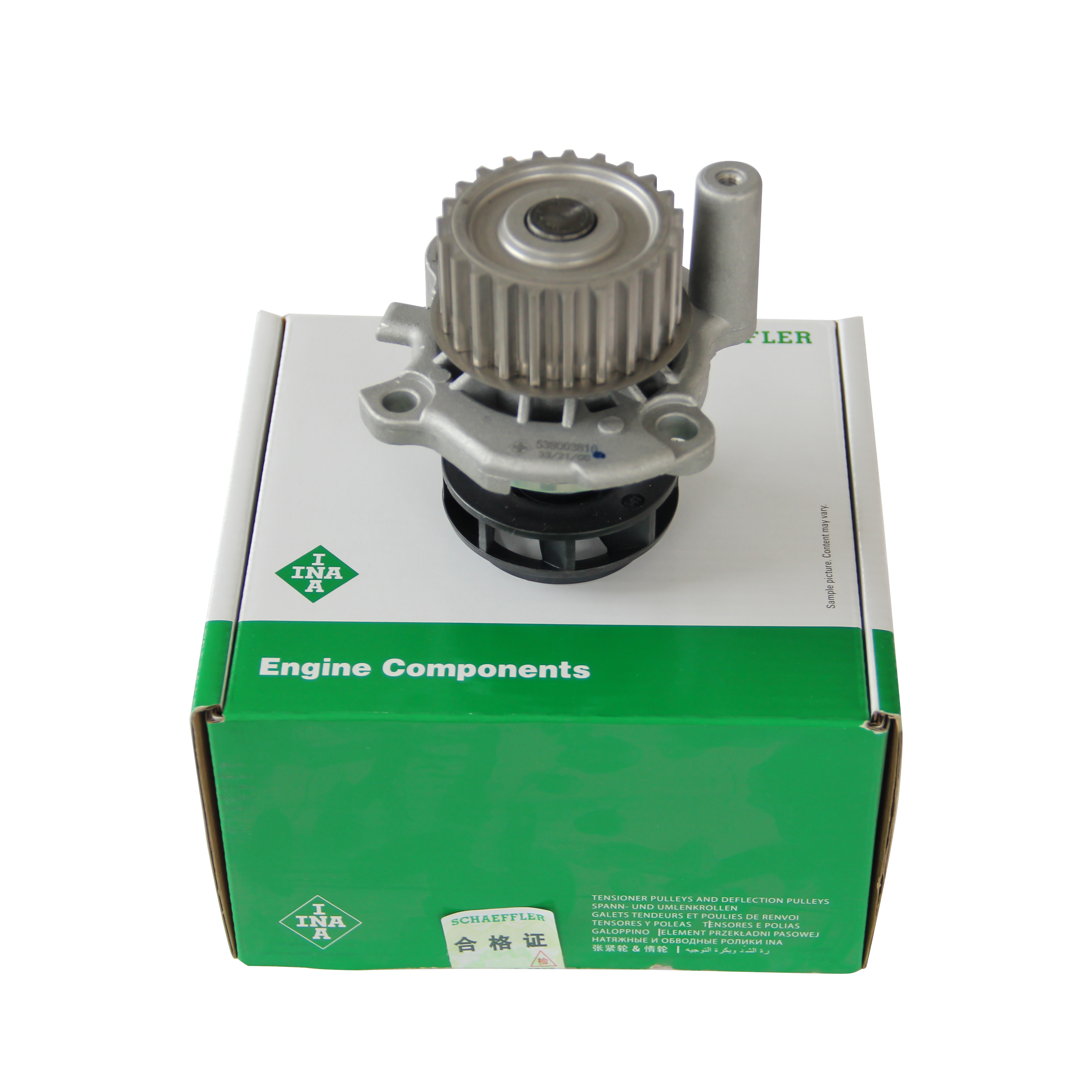
A Costly Lesson in Counterfeit Parts
A repair shop fitted budget pumps sourced from an unknown trader. Within 8,000 km, four came back with weep-hole leaks. Teardown showed stamped impellers with off-center vanes and bearings without grease seals. The car water pump looked right in the box but skipped the process control that earns trust. The shop ate the labor twice. The lesson: price tags hide manufacturing gaps, and a cheap pump can cost more than a premium one after comebacks.
Why Appearance Fools Buyers
Cast housings can look identical while internal clearances differ by tenths of a millimeter. A car water pump with a rough impeller hub throws coolant unevenly, loading the bearing. Only bench testing or a trusted supply chain reveals the truth.
Risk Analysis
Premature Seal Leak
A poor mechanical seal leaks early, draining coolant and staining the block. The car water pump then fails the vehicle inspection and strands the driver.
Impeller Corrosion
Low-grade alloy or composite swells in hot coolant and sheds material. Flow drops, temperature climbs, and the engine suffers.
Wrong Fitment
A near-match gasket pattern may not seat, causing slow leaks at the block face.
Professional Analysis
Housing and Impeller Materials
Die-cast aluminum housings resist corrosion better than pot-metal. Impellers are stamped steel, composite, or occasionally plastic. A car water pump for a hot-climate turbo engine benefits from steel vanes that hold shape under cavitation. Material choice sets the ceiling on life.
Bearing and Seal Quality
The double-row bearing must run quiet for 100,000 km. The spring seal needs a flat, lapped face. A car water pump from a certified line uses graded steel and verified grease packs, documented per batch.
Dimensional Conformance
Pulley register, bolt circle, and gasket face must match OEM. A fraction of a millimeter at the shaft changes belt alignment and adds vibration.
Authority References
IATF 16949 defines automotive quality management with traceability from raw stock to finished pump. ISO 9001 covers general controls. SAE standards describe coolant and durability testing. Reputable suppliers provide material certs and batch records. These documents separate a documented car water pump from an anonymous one.
Practical Value
How to Select
Demand the OEM cross-reference number, not just "fits your engine." Ask for IATF 16949 or ISO 9001 evidence. A car water pump with a documented lot card reduces comeback risk. Confirm impeller material and gasket type.
How to Inspect on Arrival
Check the weep hole is dry and the shaft turns smoothly with no play. Verify the gasket and bolts match. Compare the pulley register to the old unit.
How to Use
Install with fresh coolant and a new belt where driven. Torque bolts to spec. A car water pump installed on old, acidic fluid inherits the old failure mode.
How to Maintain After Fit
Log the install date. Flush on schedule. Watch temperature during the first 1,000 km. Early trend upward means recheck the belt and cap.
Frequently Asked Questions
Question: What certifications matter for a car water pump?
Answer: IATF 16949 is the automotive-specific quality standard; ISO 9001 is the baseline. A car water pump from a certified plant carries batch traceability and material certs. Some regions also require emissions or recycling marks. Ask the supplier for the certificate number and scope, since a logo on the box is not proof. Documentation matters more than branding when avoiding counterfeits.
Question: Are OEM and aftermarket pumps the same?
Answer: Not always. Some aftermarket brands match or exceed OEM specs using the same drawings; others cut corners on bearing grade and impeller balance. A car water pump sold as "OE equivalent" should list the cross-reference and test data. The safest path is a recognized brand with IATF 16949 evidence, or the dealer part where budget allows. Fitment and material, not the label, decide life.
Question: How can counterfeit pumps be spotted?
Answer: Look for poor casting marks, missing or vague part numbers, and dry weep holes with grit inside. A car water pump that feels light or has off-center vanes is suspect. Compare the gasket face and bolt circle to the original. Request the supplier's lot card and cert. Unknown traders with prices far below market usually skip process control. Buy from verifiable channels.
Question: Does impeller material affect reliability?
Answer: Yes. Steel vanes resist cavitation and heat better than thin composite in harsh duty. A car water pump for turbo or towing loads gains life from stamped steel impellers. Composite suits mild climates and lower cost. The wrong material erodes or swells, dropping flow. Match the impeller to the duty cycle, not just the price, and confirm with the supplier's spec sheet.
Question: Should the thermostat be replaced too?
Answer: Recommended. A stuck thermostat overloads any new pump and mimics pump failure. A car water pump paired with a fresh thermostat restores correct flow and pressure. The labor overlap is minor compared with a second teardown. Use the temperature-rated unit from the manual. Replacing both at once protects the new pump and steadies operating temperature.
Question: What is a fair service life expectation?
Answer: A documented car water pump typically serves 90,000–150,000 km under proper coolant care. Life shortens with missed flushes, weak belts, or hot climate. Condition-based replacement at the first weep or noise beats waiting for a fixed number. Records from the supplier and the vehicle help predict the window. Treat mileage as a guide, not a deadline.
Table of Contents
- A Costly Lesson in Counterfeit Parts
- Risk Analysis
- Professional Analysis
- Authority References
- Practical Value
-
Frequently Asked Questions
- Question: What certifications matter for a car water pump?
- Question: Are OEM and aftermarket pumps the same?
- Question: How can counterfeit pumps be spotted?
- Question: Does impeller material affect reliability?
- Question: Should the thermostat be replaced too?
- Question: What is a fair service life expectation?