
 EN
EN
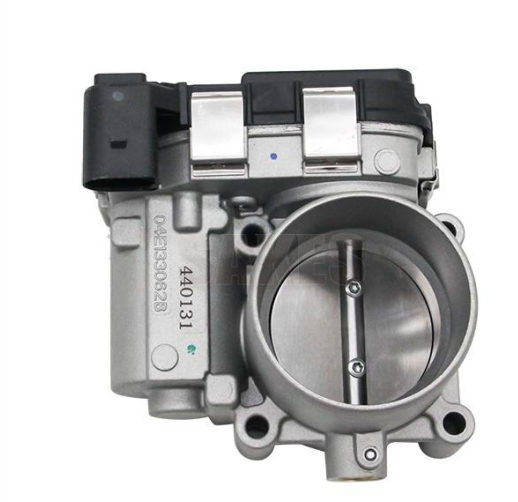
Recognizing Common Symptoms of a Faulty Throttle Body
Rough idle and poor throttle response as early warning signs
When an engine idles roughly with those annoying RPM fluctuations or vibrations, it usually means there's some sort of problem with the throttle body getting dirty or worn out over time. Most drivers notice their cars respond slower when they hit the gas pedal, particularly if the vehicle has clocked around 75k miles or more. The folks at Simon's Automotive Service did some research on this stuff and found that carbon buildup actually restricts how well the throttle plates move in about two thirds of these older vehicles. This messes with the proper mix of air and fuel going into the engine. And guess what? These issues tend to get even worse when starting up cold in the morning or trying to drive slowly through traffic. That's why regular maintenance becomes so important for keeping things running smoothly.
Lack of acceleration or hesitation during driving linked to throttle body issues
When a car hesitates while accelerating, it usually means the throttle body isn't letting enough air through as it should. Drivers might notice this as strange RPM drops or those annoying flat spots when trying to merge onto highways or climb inclines, sometimes thinking there's something wrong with the fuel system instead. The problem gets worse with electronic throttle bodies because they depend so much on accurate sensors working properly. Even small amounts of dirt or grime buildup can throw off these delicate systems completely, making them act all kinds of weird under normal driving conditions.
Poor idle or stalling due to restricted airflow from carbon buildup
Carbon accumulation behind the throttle plate restricts airflow similarly to a partially closed valve. In gasoline direct injection engines, this can reduce idle stability by up to 30%, increasing stalling incidents in stop-and-go traffic. Cleaning typically restores 85–90% of airflow capacity unless bore erosion exceeds 0.5mm.
Differentiating throttle body malfunctions from sensor-specific problems
Throttle body problems can look a lot like issues with the throttle position sensor (TPS), but they actually have distinct diagnostic signatures. According to data collected by Cardone Industries, around two thirds of all throttle related diagnostic trouble codes come down to mechanical blockages inside the system. Electrical problems tend to show up differently though, usually with strange voltage readings but no actual physical sticking points. Mechanics should pay special attention when seeing both code P0121 for TPS performance issues and code P0221 indicating throttle position mismatch at the same time. These dual codes are pretty telling signs that something is physically restricting movement in the throttle body itself, not just a faulty sensor reading.
Using OBD-II Scanner to Identify Throttle Body Faults
Check Engine Light and Diagnostic Trouble Codes (DTCs) as Primary Indicators
The moment that check engine light comes on, getting out the OBD-II scanner becomes pretty much a must if we want to know what's going wrong under the hood. Look for throttle related codes specifically - P0120 means there's something off with the throttle position sensor circuit, while P0506 usually indicates problems with idle air control at lower RPMs. Mechanics will tell us these kinds of codes tend to show up before drivers even notice anything strange happening. Vehicles might start hesitating when accelerating or stall completely without warning. Catching them early through proper scanning can save a lot of headaches down the road and prevent more serious mechanical failures later on.
Diagnosing Throttle Body Performance Using OBD-II Live Data Streams
Live data gives mechanics a window into what's happening with the throttle position angle, usually sitting around 0% when the engine is idling, along with the TPS voltage readings that normally fall somewhere between 0.5 volts and 4.5 volts. When someone watches these numbers while accelerating, they can spot problems like electrical glitches or parts getting stuck mechanically. Take for example when the TPS voltage stays fixed at about 4.2 volts even when there's load on the system. That often means carbon deposits have built up enough to block proper movement of the throttle plate. According to some recent research in the automotive field, using live data instead of just looking at error codes cuts down wrong diagnoses by roughly 38%. Makes sense really, since static codes don't always tell the whole story.
Interpreting Common DTCs Related to Throttle Position Sensor (TPS)
Accurate code interpretation is key:
- P0121: Voltage fluctuations in the TPS circuit
- P0220: Secondary sensor circuit malfunction
These codes frequently accompany throttle body failures but can be distinguished by comparing sensor voltage behavior against actual throttle plate movement using live data.
Testing Throttle Body Response With Real-Time OBD-II Voltage and PID Data
Dynamic testing involves revving the engine while monitoring TPS response times. A healthy system responds within 0.1–0.3 seconds. Delays beyond 0.5 seconds usually indicate contamination or actuator motor wear, suggesting the need for cleaning or replacement.
Inspecting and Cleaning Carbon Buildup in the Throttle Body
Visual inspection techniques for detecting throttle body contamination
Start looking at the throttle body from inside the air intake tube with a good light source. Watch out for those dark carbon buildups along the edges of the throttle plate and on the walls of the bore area. Some studies indicate these deposits might cut down airflow between 18 to 22 percent, which is no small matter when trying to keep performance optimal. To test if things are moving freely, give the linkage a gentle press while making sure the engine isn't running. If it doesn't spring back quickly, there's probably some gunk causing resistance. For really thorough inspection, grab a borescope camera. This tool lets mechanics see into those hidden spots behind the butterfly valve where regular flashlights just won't reach.
Cleaning vs. replacement: When carbon buildup requires professional service
Most deposits covering less than 30% of the throttle plate can be safely removed using ISO-HEET-approved cleaners and nylon brushes. However, replacement is recommended when:
- Throttle body walls have deep scoring from improper cleaning
- Electronic components show heat damage from chemical exposure
- Repeated cleaning fails to resolve idle issues, commonly seen in vehicles exceeding 150,000 miles
Mechanics generally advise replacing the throttle body every 7–10 years in high-mileage vehicles, as worn bushings and shafts account for 43% of throttle-related failures in models older than 2012.
Testing and Calibrating the Throttle Position Sensor (TPS)
Symptoms of a bad throttle position sensor versus throttle body failure
When a TPS starts going bad, it acts kind of like issues with the throttle body, though there are some telltale differences. Both problems might lead to rough idling or hesitation when driving, but TPS troubles usually bring on those sudden jumps in RPMs while accelerating or make cruise control act all over the place. Looking at AutoZone's guide for throttle sensors, we find that faulty TPS units generally throw voltage related codes such as P0121. On the flip side, when there's carbon build up messing with air flow, that creates completely different DTC patterns on the scanner. Mechanics need to watch out for these distinctions because they point to entirely separate repair approaches.
Diagnosing TPS issues using OBD-II scanner voltage readings
OBD-II systems allow real-time diagnosis via parameter identification (PID) data. Key voltage benchmarks include:
| Throttle Position | Expected Voltage Range |
|---|---|
| Closed (Idle) | 0.5V - 1.0V |
| Fully Open | 4.2V - 4.5V |
Voltage jumps or gaps exceeding 0.7V between positions suggest sensor degradation.
Multimeter testing procedure for TPS signal output verification
- Disconnect the TPS wiring harness
- Set multimeter to DC voltage
- Measure reference voltage (usually 5V)
- Compare output to manufacturer specifications during throttle actuation
Readings consistently outside the 0.5V–4.5V range require immediate sensor replacement to avoid drivability issues.
Calibrating the TPS after throttle body cleaning or replacement
After maintenance, recalibrate the system to ensure accurate throttle positioning:
- Reset the ECU by disconnecting the battery for at least 10 minutes
- Perform an idle relearn procedure—start the engine without touching the accelerator
- Confirm smooth voltage transitions using OBD-II live data
As outlined in AutoZone’s diagnostic protocol, always conduct a test drive to verify resolution of hesitation or stalling symptoms post-calibration.