
 EN
EN
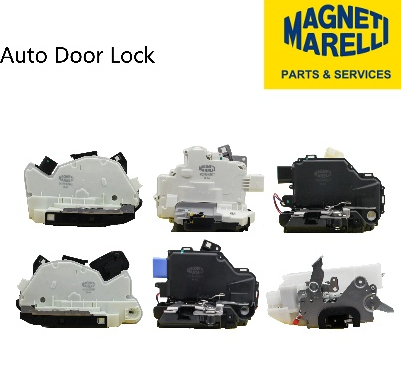
Understanding Car Door Lock Types and Their Maintenance Needs
Modern vehicles use three primary locking systems, each requiring distinct care strategies:
Mechanical vs. Electronic Car Door Locks: Core Differences
Traditional mechanical locks work with actual keys and those little metal tumblers inside, but they need constant oiling to stop them from getting stuck when rust starts to build up. On the other hand, electronic locking systems depend on key fobs and various sensors instead. These require periodic software upgrades and new batteries roughly every couple of years. According to research published in 2023 regarding car security measures, mechanical locks tend to break down about 37 percent quicker compared to their electronic counterparts when exposed to salty air along coastlines. Saltwater really takes a toll on standard lock mechanisms over time.
| Feature | Mechanical Locks | Electronic Locks |
|---|---|---|
| Maintenance Frequency | Biannual | Annual diagnostics |
| Failure Causes | Rust, worn springs | Sensor corrosion, dead batteries |
| Repair Cost | $30–$90 (parts) | $120–$400 (module replacement) |
How Smart Key Systems Impact Lock Maintenance Needs
Proximity-based smart keys introduce two vulnerabilities: signal interception risks (1 in 200 vehicles hacked in 2023 per NHTSA data) and emergency keyhole neglect. Technicians recommend cleaning keyhole debris quarterly, replacing fob batteries every 24 months, and updating encryption firmware annually.
Common Vulnerabilities by Lock Type
Mechanical systems fail most often from:
- Moisture intrusion – Causes 62% of frozen lock incidents
- Part wear – Worn tumblers increase key snapping risk by 4x
Electronic locks typically suffer:
- Signal blocking – Garage door openers cause 19% of interference cases
- Power drainage – Dead fob batteries cause 84% of "smart key failure" roadside calls
Hybrid systems combining mechanical and electronic components require 23% more maintenance than single-type solutions, according to recent automotive security studies.
Lubrication Best Practices for Smooth and Long-Lasting Car Door Locks
Why Proper Lubrication Prevents Stiffness and Jamming
Car door locks tend to wear out about 40 percent faster when they're dry versus properly lubricated, as various automotive engineers have observed over time. When we apply lubricant to these mechanisms, it forms a sort of barrier between moving parts. This barrier stops those metal pieces from grinding directly against each other, which helps prevent what's called microscopic welding. That process basically glues components together at tiny levels, making everything stiff and hard to move. The problem gets really noticeable in locks that contain tumblers or wafer mechanisms inside them. Even small amounts of extra resistance in these types of locks can cause keys to get stuck or become difficult to remove, something no driver wants to deal with on a cold winter morning.
Best Practices for Cleaning Car Door Locks Before Lubrication
Getting rid of surface dirt first makes all the difference when it comes to really cleaning something properly. Most folks grab compressed air cans or a gentle brush for this preliminary step. When dealing with stubborn buildup, many technicians swear by microfiber cloths soaked in rubbing alcohol. It breaks down those tough stains without leaving behind any sticky mess that attracts more dirt later. During colder months, drying locks becomes extra important. A hair dryer set to warm (not hot!) works wonders here. Leftover water inside can freeze and actually crack parts over time, which nobody wants to deal with when temperatures drop below freezing.
Step-by-Step Application Technique for Lubricants and Anti-Rust Sprays
- Insert the lubricant nozzle partially into the keyhole
- Spray in 0.5-second bursts while rotating the key
- Work the door handle 10–15 times to distribute lubricant
- Wipe excess product with a microfiber cloth
This method prevents oversaturation while ensuring complete coverage of pins, springs, and latches.
Choosing the Right Lubricant for Your Car Door Lock
Silicone Spray Lubricants for Door Locks: Benefits and Limitations
Silicone spray works really well on car door locks because it resists water and stays flexible even when wet. That makes it great for places where humidity is always high. The stuff has a runny texture so it gets into all those hard to reach spots without pulling in dirt and grime. Still needs to be reapplied somewhere around six to twelve months later since it tends to evaporate over time. According to some research from the FTC back in 2023, these kinds of lubricants cut down on seasonal sticking problems about 72 percent better than doors that get no treatment at all. Just keep in mind they don't perform as nicely when temps drop below freezing point.
Graphite vs. Oil-Based Lubricants: Performance in Cold Climates
Graphite based lubricants work really well when temps drop down to around -22 degrees Fahrenheit all the way up to 120 degrees because they stop ice from forming inside mechanical locks. Oil based stuff just gets too thick to function properly once it hits below 10 degrees Fahrenheit. Tests done at Northern Illinois University during their winter of 2022 found something interesting too. Locks treated with graphite had about half as many problems in cold weather compared to those using regular oil products. The downside though is that graphite tends to leave black marks on whatever it touches nearby. Most people find themselves needing to get these stains cleaned professionally somewhere between three to five years after application depending on how often the lock gets used.
Why WD-40 Is Not Ideal for Long-Term Car Door Lock Maintenance
WD-40 temporarily resolves sticky locks but degrades rubber seals and attracts dust particles. Industry tests revealed WD-40-treated locks required 89% more service calls within 18 months compared to silicone or graphite lubricants. Its thin formula evaporates quickly, leaving components unprotected against corrosion.
Comparative Analysis of Top 5 Lubricant Types
| Type | Temperature Range | Water Resistance | Durability | Best For |
|---|---|---|---|---|
| Graphite | -22°F to 120°F | Moderate | 2–3 years | Frozen/rust-prone locks |
| Silicone | 10°F to 200°F | High | 1–1.5 years | Humid climates |
| Dry Film | -40°F to 300°F | Excellent | 5+ years | High-security mechanisms |
| Oil-Based | 10°F to 150°F | Low | 6–8 months | Vintage mechanical systems |
| Penetrating | -15°F to 100°F | None | 3–4 months | Emergency fixes |
The FTC’s 2023 lubricant safety guidelines recommend prioritizing NSF-certified products with non-conductive formulas for electronic car door lock systems.
Preventing Rust, Moisture, and Environmental Damage to Car Door Locks
How Moisture Intrusion Causes Corrosion in Mechanical Locks
Water buildup is probably the number one reason why car door locks stop working properly, according to JBTools research from last year showing that around 74% of all weather related lock problems come down to rust issues. Once water gets into those lock cylinders, it starts reacting with the metal parts inside, which creates that reddish stuff we call rust and makes keys hard to turn. The problem gets worse in places near the ocean or anywhere really humid. Salt in coastal areas mixes with regular moisture in the air and basically turns into super corrosive saltwater deposits right inside our car locks. That's why people living by the beach often struggle with their locks freezing up during rainy seasons.
Using Anti-Rust Sprays as Part of Preventative Maintenance for Mechanical Locks
Proactive use of anti-rust sprays can reduce corrosion rates by up to 90% in mechanical locks. Silicone-based sprays create a hydrophobic barrier without attracting dust, unlike petroleum-based alternatives. For optimal results:
- Clean locks with compressed air to remove debris before application
- Apply sprays in 2-second bursts at 6-inch distances to avoid oversaturation
- Cycle the key 10 times post-application to distribute lubricant evenly
Weather Protection Strategies for Door Locks in Harsh Climates
When dealing with really cold weather or areas where rain comes down hard, it makes sense to put those rubber covers over lock holes so water doesn't get inside directly. Many people living through winter wonder why their car locks break after they pour boiling water on them when stuck. The sudden heat actually causes parts inside the lock to expand rapidly, which can lead to cracks forming. Better idea? Grab some deicer that contains alcohol since these work down to around minus 40 degrees Fahrenheit and disappear completely once done. No messy residue left behind. And if someone happens to live somewhere super sunny and dusty, applying some UV resistant dry film lubricant every three months helps keep lock tumblers working smoothly despite all that sand getting into everything. Otherwise, keys just start fighting against gritty deposits inside the mechanism.
Seasonal and Professional Maintenance for Optimal Car Door Lock Performance
Spring and Fall Checkups: Aligning with Temperature Shifts
Car door locks need special attention when the weather starts changing between seasons. The metal parts inside mechanical locks actually grow and shrink as temperatures fluctuate, which creates extra friction over time. Every spring, it's smart to blow out pollen buildup and road salt deposits using compressed air, followed by a good coating of silicone lubricant to keep everything moving smoothly. When autumn rolls around, don't forget to check those electronic lock batteries too since cold weather tends to drain them faster than normal. Most mechanics will tell you these regular checks twice a year can save a lot of headaches down the road, especially when unexpected rain or snow hits and nobody wants to deal with stuck doors.
Winter-Proofing Car Door Locks Against Ice and Freezing
When temps dip below freezing, moisture builds up inside lock cylinders and can cause serious damage over time. The best approach? Dry film lubricants create a barrier against water intrusion while alcohol based deicers actually melt ice rather than breaking components apart with brute force. For extra protection around doors, silicone weather stripping along the edges stops cold air from getting in where it shouldn't be. According to research published by IAMTS last year, locks treated with special freeze resistant graphite lubes saw a massive 72 percent reduction in winter related problems compared to untreated ones. Makes sense really since preventing ice buildup is far better than dealing with the aftermath.
Summer Maintenance: UV Exposure and Dust Accumulation Risks
UV radiation degrades rubber door seals, allowing abrasive dust into lock cylinders. Inspect seals for cracks monthly and wipe exposed locks with microfiber cloths. Transparent vinyl protectors shield electronic keyholes from solar damage without interfering with signal transmission.
Signs That Indicate Immediate Need for Professional Lock Service
Persistent stiffness despite lubrication, keys requiring excessive force, or smart locks failing to recognize programmed keys signify internal damage. Delaying repairs risks complete cylinder seizures–a leading cause of $380+ emergency replacements (NASTF 2023).
Cost-Benefit of Routine Professional Inspections vs. Emergency Repairs
Scheduled $65 inspections detect issues like worn tumblers or corroded actuators early, while post-failure repairs average $240. Professional maintenance plans reduce long-term costs by 58% by addressing alignment and moisture issues before they disable locking systems.
Table of Contents
- Understanding Car Door Lock Types and Their Maintenance Needs
- Lubrication Best Practices for Smooth and Long-Lasting Car Door Locks
- Choosing the Right Lubricant for Your Car Door Lock
- Preventing Rust, Moisture, and Environmental Damage to Car Door Locks
-
Seasonal and Professional Maintenance for Optimal Car Door Lock Performance
- Spring and Fall Checkups: Aligning with Temperature Shifts
- Winter-Proofing Car Door Locks Against Ice and Freezing
- Summer Maintenance: UV Exposure and Dust Accumulation Risks
- Signs That Indicate Immediate Need for Professional Lock Service
- Cost-Benefit of Routine Professional Inspections vs. Emergency Repairs