
 EN
EN
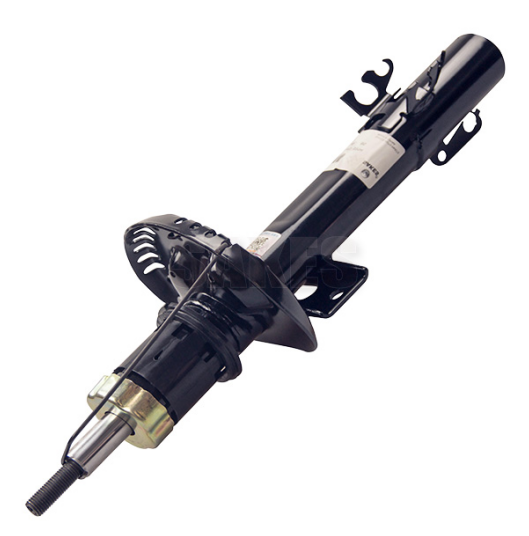
Understanding Shock Absorber Lifespan in Real Fleet Operations
Bridging the Gap: OEM Design Life vs. Actual Fleet Mileage Failure Thresholds
OEM design life for shock absorbers often exceeds real-world fleet performance by 30–40%, with manufacturers citing 100,000-mile durability while field data shows failure clusters at 60,000–75,000 miles across 78% of commercial vehicles (Commercial Fleet Analytics 2023). This gap arises from unmodeled operational stressors:
- Accelerated wear cycles due to frequent stop-start driving in urban environments
- Composite load fatigue when vehicles consistently operate above GVWR
- Road surface degradation exposing shocks to 3x higher impact forces than controlled test tracks
Early symptoms such as uneven tire wear or excessive dive during braking signal deteriorating performance, yet 62% of fleets ignore these warnings until catastrophic failure occurs.
Failure Rate Patterns by Vehicle Class–Medium-Duty Trucks, Delivery Vans, and Municipal Buses
Shock absorber failure rates vary significantly by vehicle class, driven by distinct duty cycles and environmental exposure. Medium-duty trucks experience 30% higher premature failure than delivery vans at 50,000-mile intervals, while municipal buses face accelerated wear due to repeated curb impacts and stop-start operation.
| Vehicle Class | Avg. Failure Mileage | Primary Failure Mode | Safety Impact |
|---|---|---|---|
| Medium-Duty Trucks | 68,000 miles | Bushing fatigue (47% cases) | Reduced trailer stability |
| Delivery Vans | 82,000 miles | Oil leakage (52% cases) | Increased stopping distance |
| Municipal Buses | 54,000 miles | Seal degradation (61% cases) | Passenger discomfort |
Delivery vans suffer from thermal cycling in engine-adjacent mounts, accelerating fluid breakdown, while municipal buses face heightened corrosion from road de-icing agents. These differences underscore the need for class-specific maintenance strategies instead of relying on generic OEM schedules.
Identifying Critical Shock Absorber Failure Modes and Safety Impacts
Top Field-Confirmed Failure Mechanisms: Oil Leakage, Seal Degradation, Bushing Fatigue, and Damping Loss
Four dominant failure modes compromise shock absorber reliability in fleet operations:
- Oil leakage begins with heat-induced seal degradation, leading to fluid loss that reduces damping efficiency by up to 40% within 15,000 miles. Contaminants like dust or road grit accelerate seal wear, especially in construction or mining vehicles.
- Seal degradation is exacerbated by thermal cycling and chemical exposure, allowing fluid escape and air ingress that impair performance.
- Bushing fatigue appears as radial cracking in mounting components, causing unstable suspension oscillations during cornering and increasing rollover risk.
- Damping loss, the most severe failure, results from internal valve malfunction and leads to uncontrolled spring rebound, increased stopping distances by 2.1 car lengths at 60 mph, and premature tire wear costing $380 per axle annually.
Operational Warning Signs Linked to Compliance & Safety Risks (Brake Pull, Tire Feathering, Excessive Dive/Squat)
Spotting problems early before they become major issues can save both lives and money when it comes to avoiding accidents and fines from regulators. When brakes start pulling the car to one side while slowing down, that's usually a sign something isn't balanced right in the suspension system. These kinds of issues make up around a quarter of all violations found at wheel ends during inspections. Another red flag is when tires develop those weird scalloped patterns on their treads what mechanics call feathering. This happens because the tires aren't making proper contact with pavement surface, which cuts down on grip and gets noticed during Department of Transportation checks. If cars dip too much when stopping hard or squat excessively when speeding up fast, there might be problems with hydraulic fluids moving where they shouldn't or seals failing somewhere. According to National Highway Traffic Safety Administration reports, these kinds of suspension faults actually raise the chances of rollover accidents by nearly 18 percent.
These indicators directly affect:
- FMCSA out-of-service criteria for suspension integrity
- CSA scores tied to maintenance violations
- Insurance premiums influenced by incident frequency and severity
Environmental and Duty-Cycle Stressors That Accelerate Shock Absorber Wear
Quantifying Corrosion, Thermal Cycling, and Rough-Road Fatigue Effects on Shock Absorber Longevity
Three key environmental stressors significantly reduce shock absorber lifespan in commercial fleets:
- Corrosion: Exposure to salt and moisture in coastal or winter-treated regions accelerates wear by 30–50%. SAE field data (2022) shows fleets in these areas require replacements 15,000 miles earlier than inland operations due to pitting on piston rods and compromised seals.
- Thermal Cycling: Each 10°C increase in operating temperature doubles the rate of chemical degradation. In desert climates, sustained heat causes oil thinning and seal hardening, reducing damping efficiency by 40% after 50,000 miles.
- Rough-Road Fatigue: Impacts exceeding 8G on unpaved or pothole-riddled roads lead to weld fractures and tube deformation. NHTSA analysis (2023) links such conditions to triple the bushing failure rate within 60,000 miles.
Fleets operating in harsh environments should reduce inspection intervals by 25% to proactively manage safety risks like unstable braking and suspension collapse.
Monotube vs. Twin-Tube Shock Absorbers: Performance Reliability in Commercial Fleets
When choosing shock absorbers for their fleets, managers need to match what works best with how vehicles actually perform day to day while keeping an eye on expenses, longevity, and road safety concerns. Monotube shocks work differently from standard ones because they have just one sealed chamber where gas and oil stay separated. This setup helps dissipate heat better and keeps shocks from losing effectiveness when carrying heavy loads over long distances. According to various fleet maintenance reports, these types can cut down on fading issues by around 30 percent versus traditional twin tube models. Twin tube shocks themselves are built with two separate chambers inside at lower operating pressures. While this makes them cheaper upfront, many mechanics report problems with air bubbles forming in the fluid after extended use, which leads to noticeable drops in performance during continuous operation periods.
| Feature | Monotube Shock Absorbers | Twin-Tube Shock Absorbers |
|---|---|---|
| Heat Dissipation | Excellent (exposed surface area) | Moderate (trapped heat in outer tube) |
| Durability | High resistance to cavitation & fade | Prone to fluid aeration under stress |
| Load Handling | Consistent damping >3.5T GVWR | Optimal for <2.5T loads |
| Cost Efficiency | Higher initial cost, lower TCO | Lower upfront cost, higher replacement frequency |
For trucks pushing their weight limits or bouncing over rocky roads like those seen in construction sites or long haul operations, monotube shocks tend to be the better choice. These shock absorbers handle heavy duty situations much better than other types. On the flip side, twin tube shocks still work fine for city delivery vans that carry lighter cargo and stick mostly to paved streets with regular traffic patterns. The heat buildup just isn't as bad in these conditions. When looking at shock performance though, don't take what manufacturers say at face value. Check how they actually perform in real world conditions using data collected from actual fleets. This gives a much clearer picture of how these components degrade over time under different driving scenarios.
Validating Shock Absorber Reliability Through Supplier Data and Real-World Fleet Feedback
Moving Beyond Certification: Interpreting Proving Ground Results and OEM Field Failure Analytics
Laboratory certifications and proving ground tests often fail to replicate real-world conditions, missing critical stressors like sustained corrosion, thermal cycling, and variable road impacts. Field data reveals a 12% higher failure rate than predicted by lab models (Commercial Vehicle Engineering 2023). To ensure reliability:
- Compare supplier durability claims with OEM warranty data on bushing fatigue and oil leakage
- Benchmark reported damping loss rates against manufacturer MTBF (Mean Time Between Failures) projections
- Align proving ground vibration profiles with actual telemetry from urban delivery routes
Leading fleets reduce replacement costs by 18% by integrating these datasets to refine maintenance intervals and component selection, moving from reactive to predictive servicing models.
Table of Contents
- Understanding Shock Absorber Lifespan in Real Fleet Operations
- Identifying Critical Shock Absorber Failure Modes and Safety Impacts
- Environmental and Duty-Cycle Stressors That Accelerate Shock Absorber Wear
- Monotube vs. Twin-Tube Shock Absorbers: Performance Reliability in Commercial Fleets
- Validating Shock Absorber Reliability Through Supplier Data and Real-World Fleet Feedback