
 EN
EN
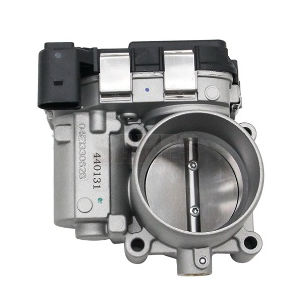
Understanding VW/Audi Throttle Body Types and Platform Compatibility
Single, twin, and direct-to-head configurations across EA888, EA113, and VR6 engines
The way Volkswagen and Audi build their engines means different models get completely different throttle body setups depending on what they need to do performance-wise and how much space is available under the hood. Take the EA888 turbo four found in cars like the Golf GTI, Audi S3, and Passat 2.0T for example. These engines typically have one central throttle body right in the middle because it keeps costs down, meets emission standards, and fits nicely into those tight engine compartments. The older VR6 engines though, like those in the Golf R32 or Passat W8, go for twin throttle bodies where each one serves three cylinders instead. This setup actually helps the engine breathe better at higher RPMs and gives smoother throttle response when driving hard. There's also something called direct-to-head setups where every cylinder has its own throttle body. We don't see this much in regular production cars but some racing versions of the EA113 engine use them. They give amazing airflow control but come with all sorts of headaches regarding complexity and getting past emissions tests. And here's the thing nobody tells newbies about: these different throttle body systems really can't be swapped around. The mounting points, how the computer talks to them, and all those calibration numbers are totally different between EA888, EA113, and VR6 engines. Top VW/Audi tuners across the country will tell anyone who asks that trying to mix and match often leads to weird drive-by-wire problems and drops peak torque somewhere between 15 to 18 percent because the air isn't flowing properly and sensors start giving wrong readings.
Drive-by-wire integration: TCU, MAF, and ECU signal synchronization requirements
Volkswagen and Audi vehicles built recently all use drive by wire technology for their throttle systems, which means there are no longer any mechanical connections between parts. Instead, everything works through electronics for much better control over how the engine responds. When these systems work properly, several computer modules need to talk to each other at the same time. The main engine computer (called ECU) has to look at what's happening with the throttle position sensor while also checking air flow measurements from another sensor called MAF. All of this happens super fast, like within three thousandths of a second, so the car can keep running smoothly with the right mix of fuel and air. For cars with dual clutch transmissions, there's an extra step where the transmission computer cuts off power briefly when shifting gears to prevent damage to the clutches. Many mechanics have noticed this gets overlooked when people install aftermarket parts. According to some tech reports from Ross Tech back in 2023, almost nine out of ten times when cars go into limp mode after modifications, it's because those tiny timing differences weren't fixed or the system wasn't properly adapted. Getting things working right usually involves resetting certain settings through the onboard diagnostics port, checking voltages on both sensors, and making sure there's no P0121 error showing up related to the throttle position sensor before taking the vehicle out for a proper test drive.
Engine-Specific Throttle Body Sizing and Airflow Optimization
Matching throttle body diameter (e.g., 70mm vs. 80mm) to displacement, RPM ceiling, and cylinder head flow
Matching throttle body size to engine design matters far more than simply chasing power numbers. Take those small engines under 2 liters, like the EA888 Gen 3 models. A 70mm throttle body keeps airflow moving fast enough through the system until around 6,000 RPM, which helps maintain good torque at lower speeds and makes sure boost comes on predictably when needed. Larger engines over 3 liters or ones running past 7,500 RPM (think modified VR6s or EA113 variants) generally need bigger openings, typically 80mm or larger, so they can handle maximum airflow without losing efficiency. But go too big on smaller engines and things get messy inside the intake tract. Flow bench tests show this can cost anywhere from 12 to 18 percent of torque at lower RPMs. Go too small and high RPM performance suffers badly. The connection between throttle bore and intake runner size is also critical. When these dimensions differ by more than 15%, airflow becomes turbulent instead of smooth, leading to losses of about 5 to 8 horsepower throughout the whole operating range according to real world testing data.
Inlet tract length trade-offs: low-end torque vs. high-RPM power—dyno-validated insights from leading tuners
The length of the inlet tract plays a big role in shaping how the engine makes torque, thanks to something called Helmholtz resonance tuning. When we shorten these tracts to under 150mm, the air moves faster through them which helps turbos spin up quicker and boosts power at higher RPMs. Dyno tests on EA888 turbo engines actually showed around 9 to 14 percent more peak horsepower once they hit 5,500 RPM. But there's a tradeoff here too - shorter tracts tend to drop torque output below 3,500 RPM by about 7 to 10 percent. On the flip side, longer tracts between 200 and 300mm create stronger pressure waves at lower speeds, giving naturally aspirated EA113 engines a noticeable torque boost of 15 to 22 percent down below 3,500 RPM. For forced induction V6 setups like VR6 engines and those based on the EA888 platform, somewhere around 180mm seems to work best. These intermediate lengths cut down turbo lag by roughly half a second without sacrificing much flow efficiency either, as various tuners including APR, REVO, and Unitronic have found in their testing.
Performance Gains and Modification Synergy with VW/Audi Throttle Bodies
Throttle response under boost: butterfly actuation speed, plenum volume, and turbo lag mitigation
For those working on turbocharged VW and Audi engines, the throttle body plays a major role in how well the engine responds when conditions change suddenly. Butterfly valves that react faster thanks to better stepper motors and improved gearing help keep air flowing smoothly through the system even when shifting gears, which cuts down on that annoying turbo lag effect many drivers notice. When it comes to plenum size, there's always a trade off. Smaller ones give snappier throttle response and better transient performance but can't handle as much air overall. Bigger plenums let the engine breathe more freely for maximum power output, though they do slow down initial response times. Engine tuners have found through dyno testing that getting the right balance between how fast the throttle opens and closes versus plenum size makes a real difference. On EA888 and VR6 engines specifically, this combination can cut torque delivery time after shifts by around 20 to 30 percent, making the throttle body essential for maintaining boost pressure during hard acceleration situations.
Compatibility with supporting mods: cold air intakes, exhausts, and fuel system upgrades (LPFP/HPFP thresholds)
Getting real power gains from a performance throttle body means it has to be part of a well thought out modification plan. For units sized at 80mm or bigger, installing a high flow cold air intake is pretty much essential if we want to keep things from getting restricted at the inlet side. These bigger TBs also work better when paired with some sort of resonant chamber tuning that helps smooth out those pesky airflow pulses. When it comes to exhaust systems, there's actually a sweet spot for backpressure that keeps the turbo working efficiently, particularly important with stock turbo setups. The fuel system needs attention too. Most folks find that upgrading the low pressure fuel pump handles everything up to around 400 horsepower on those port injected EA888 engines. But once we start pushing past 500hp territory, reinforcing the high pressure fuel pump becomes absolutely necessary to prevent dangerous lean conditions during hard driving. If any single part gets overlooked in this whole system, whether it's the intake, exhaust, or fuel delivery, then all the other modifications just end up hitting a wall.
Material Quality, Engineering Precision, and Real-World Installation
Billet aluminum vs. cast housings: thermal stability, vacuum port placement, and bore concentricity
When working on high boost VW and Audi engines, material quality simply cannot be compromised. Billet aluminum throttle bodies stand head and shoulders above their cast counterparts when it comes to handling heat. These components maintain proper clearance throughout multiple heating cycles, which prevents those frustrating problems like butterfly binding or vacuum leaks during extended periods of high boost pressure. The precision machining of vacuum and reference ports makes all the difference for sending consistent signals to important sensors like TPS, MAP, and idle air control systems something absolutely essential for reliable drive-by-wire operation. Getting the bore concentricity right within tight 0.05mm tolerances helps reduce turbulence inside the system, making sure the MAF sensor readings match up correctly with what the ECU expects to learn from them. Track oriented builds or anything running serious boost will benefit greatly from billet construction since it provides consistent throttle response regardless of whether temperatures are freezing outside or sweltering under the hood. Proper installation matters a lot too though. Make sure the gaskets line up just right, keep those mating surfaces spotless, and don't skip the post install throttle adaptation process with genuine or compatible diagnostic equipment. Skip any of these steps and drivers often end up dealing with annoying idle surges, hesitation during acceleration, or that dreaded P0121 fault code popping up on their dash.