
 EN
EN
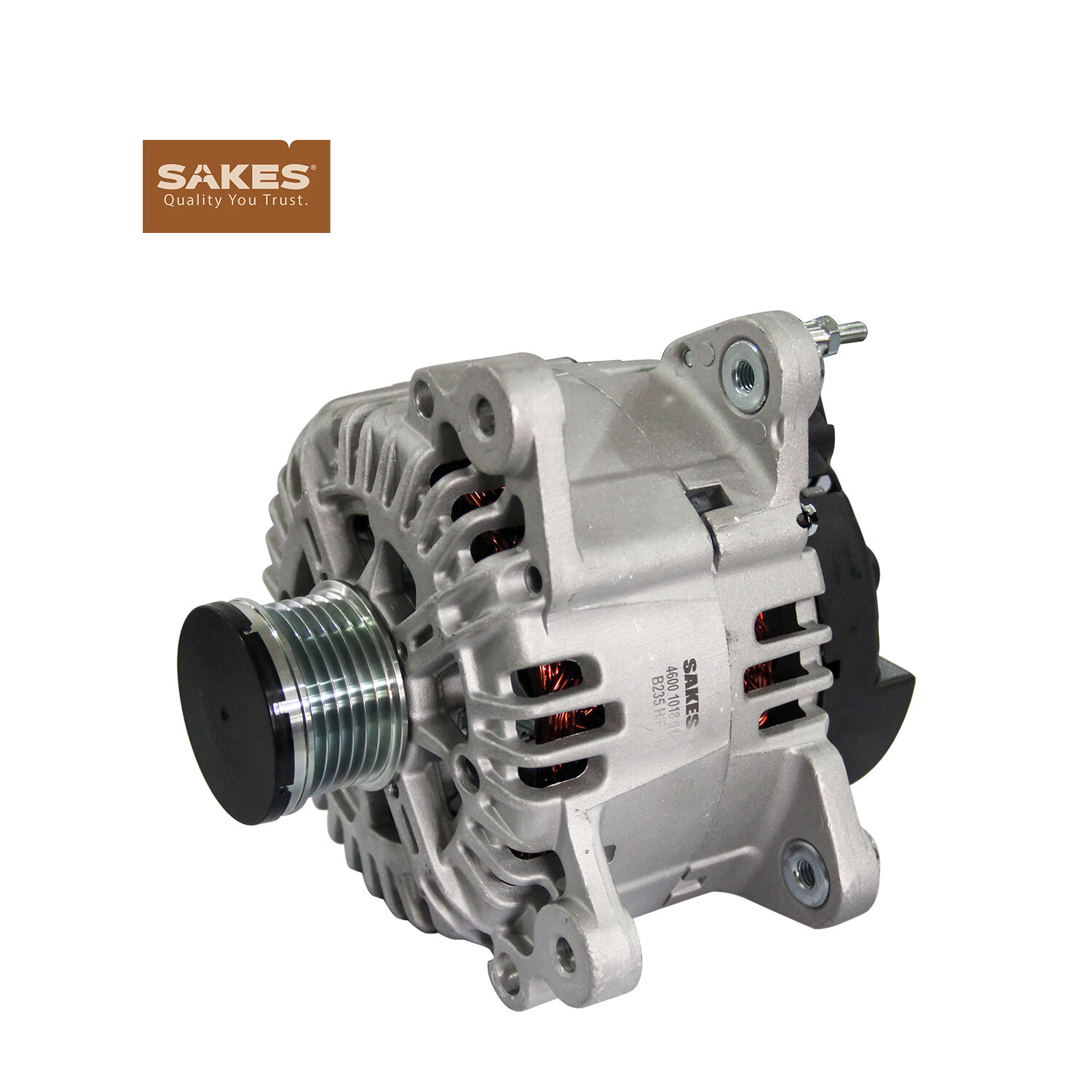
Electrical Failures: Voltage Regulator and Diode Breakdown
How a faulty voltage regulator causes inconsistent car alternator output
When a voltage regulator starts acting up, it messes with how the stator current works, which makes the alternator output jump around wildly sometimes going below 13.5 volts when it's undercharging or shooting up past 15 volts during overvoltage situations. What happens next isn't good for batteries at all. During those low voltage moments, sulfur builds up faster inside them, while high voltage spikes actually boil away the electrolyte solution. Car owners typically see problems first hand through flickering headlights, strange resets happening to their car's electronics system, and eventually having to replace batteries way before they should last. According to what mechanics have seen in garages across the country, roughly one third of all alternator troubles come down to these kinds of voltage issues that slowly wear out sensitive components throughout the vehicle's electrical system. Getting the right calibration matters a lot here. The ideal range for most cars lies somewhere between 13.8 and 14.4 volts regardless of whether the engine is idling or running at full speed.
Failed diodes disrupting AC-to-DC conversion in the car alternator
Rectifier diodes can go bad in two main ways short circuiting or opening completely which messes up what the alternator does best turning alternating current from the stator into direct current that actually works for the vehicle. When diodes short out they let electricity flow backwards causing all sorts of problems like AC ripple getting into the electrical system and draining power unnecessarily. On the flip side when diodes open up they basically cut off whole sections of current flow reducing overall output somewhere around 25 to 40 percent for each failed component. Most often these failures happen because of thermal issues usually when there's too much load on the system or air isn't moving properly through the cooling vents. The temperature gets really high sometimes over 150 degrees Celsius before things start going south. People typically notice this happening through strange noises coming from under the hood warning lights popping up on the dashboard and voltage measurements bouncing around between 11 volts and 16 volts when checked with a multimeter.
Mechanical Wear: Bearings, Belts, and Pulley Misalignment
Worn bearings leading to noise, overheating, and rotor instability in the car alternator
When alternator bearings start to break down, they often make those annoying grinding or whining sounds because there's just so much more friction inside. We're talking about a significant increase here, maybe around 40% when things get really bad. All this extra friction causes temperatures to spike, which isn't good news for the windings and diodes inside. What happens next is even worse though. As bearings wear out, the rotor shaft starts to wobble instead of spinning smoothly. This creates problems with the space between the rotor and stator components. The magnetic field gets messed up, leading to all sorts of voltage issues throughout the charging system. If nobody fixes this problem, it usually ends up with complete rotor seizure. Believe it or not, this is actually what causes most alternators to fail while driving on the road.
Slipping or broken drive belts reducing car alternator efficiency and causing premature failure
Drive belt issues fall into two categories:
- Slippage: Loose or worn belts reduce rotational energy transfer, cutting alternator output by 15–30% and often illuminating the battery warning light
- Snapping: Complete belt failure halts charging instantly, forcing the vehicle to run solely on battery power
Pulley misalignment compounds both problems:
- Angular misalignment—pulley faces tilted relative to each other—causes uneven belt wear
- Parallel misalignment—grooves offset laterally—makes belts ride off-track
Both types induce vibration that stresses mounts and bearings. Proper tensioning and laser-aligned pulleys prevent 72% of belt-related alternator failures, according to industry maintenance benchmarks.
Environmental Damage: Corrosion, Contamination, and Thermal Stress
Corrosion and debris impairing heat dissipation and electrical contact in the car alternator
Alternators suffer from corrosion problems mainly through two routes. First, when terminals get rusty, they create resistance that makes it harder for electricity to reach the battery. Second, cooling fins clogged with dirt can cut down on heat dissipation quite a bit, though exactly how much varies depending on conditions. Things get even worse near the coast where salt air speeds up rust formation compared to what happens inland. Saltwater corrosion just goes faster there. When moisture gets inside, it starts breaking down both the windings and bearings over time. And don't forget about those oil leaks coming from engine seals either. These leaks spread across internal parts creating insulation layers that trap heat inside the alternator. This trapped heat then leads to all sorts of chemical breakdowns within the system, making repairs inevitable sooner rather than later.
Extreme temperatures, moisture ingress, and oil contamination accelerating car alternator degradation
The constant temperature swings from starting engines in freezing weather to under the hood temps exceeding 120°C (248°F) really takes a toll on components over time. Metal parts start to fatigue, solder joints crack open, and those delicate diode connections just keep getting weaker. When it gets below zero out there, those plastic housing materials become so brittle they actually break when someone tightens or adjusts the belt tension. The intense heat doesn't help either—it eats away at the insulation around windings. And don't even get me started on humidity. Moisture in the air speeds up corrosion processes, attacking copper windings about 30% quicker than normal. Throw in oil contamination which coats heat sinks and pulls in all sorts of gritty particles, and suddenly we're looking at serious thermal stress issues. All these combined environmental factors? They tend to shorten alternator life by roughly half in particularly tough operating conditions.
System-Level Strain: Overload, Poor Connections, and Aftermarket Modifications
Alternators don't just break down because parts wear out inside them. They also face problems at the system level when things get overloaded. When someone installs those big power audio systems or extra lights after market, the alternator has to work constantly at max capacity. This creates too much heat which wears down the insulation faster and causes thermal fatigue over time. Bad connections at the battery posts or ground points create resistance that makes the voltage drop. The regulator then thinks it needs to push harder than normal to compensate for these drops. Mechanics see this all the time with rusty terminals or when people try to install parts themselves without knowing what they're doing. Using non-OEM replacement parts adds another layer of risk. Generic components tend to fail quicker since they're made with different materials and aren't built as precisely. All these changes throw off the delicate balance between how fast the rotor spins, how well voltage is regulated, and managing heat properly. Eventually this leads to early failure when the alternator faces multiple stresses at once.
Frequently Asked Questions (FAQ)
What are the signs of a faulty voltage regulator?
The signs include flickering headlights, strange resets in the car's electronics, and premature battery replacement due to voltage inconsistencies.
How does a failed diode affect the alternator's performance?
A failed diode can cause AC ripple to enter the electrical system, drain power unnecessarily, and reduce overall output by 25-40% for each failed component.
Why do mechanical issues like worn bearings cause alternator failure?
Worn bearings increase friction, leading to overheating, and rotor instability, which disrupts the magnetic field and eventually causes rotor seizure.
How can environmental factors shorten alternator lifespan?
Corrosion, extreme temperatures, and oil contamination accelerate alternator degradation by causing resistance, thermal stress, and breakdowns within the system.
What system-level strains affect alternator performance?
Overloading due to aftermarket modifications, poor connections, and non-OEM parts create additional heat and resistance, leading to early alternator failure.