
 EN
EN
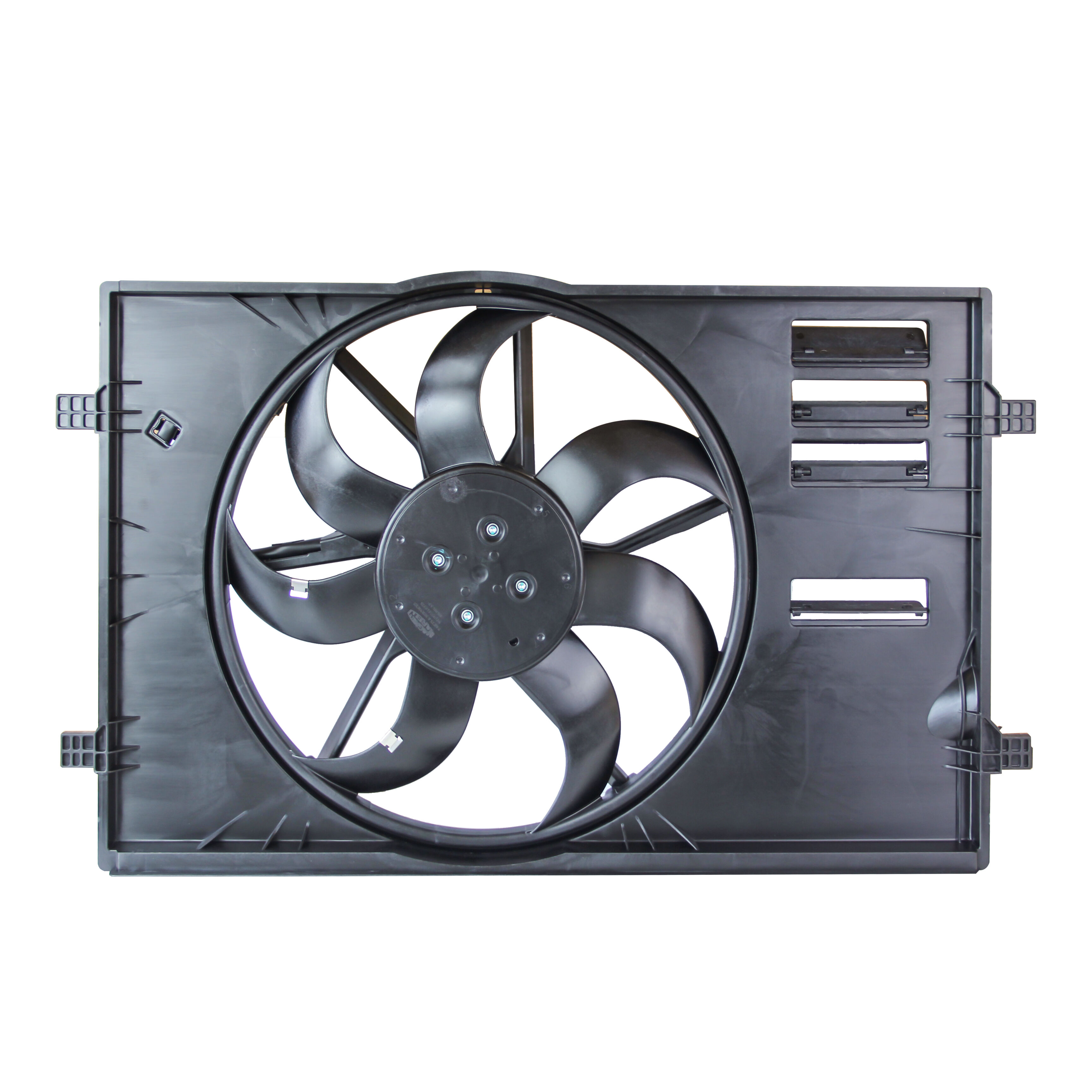
The Radiator Fan System — Components and Failure Points
An engine temperature gauge climbing toward red while in traffic is the moment a driver realizes the radiator fan has stopped. The system is not one component — it is four interdependent parts: the fan motor and blade assembly, the control relay, the protective fuse, and the coolant temperature sensor. A failure in any one stops the fan. Diagnosing which one, rather than replacing parts blindly, saves money and prevents repeat failure.
Motor, Relay, Fuse, and Temperature Sensor
The radiator fan motor is a DC unit drawing 10 to 30 amps, mounted behind the radiator to pull air through the core. It contains carbon brushes that wear over time — typically 1,500 to 3,000 operating hours before brush wear causes intermittent or complete failure. The relay is an electromagnetic switch in the engine bay fuse box. When the engine control module (ECM) receives a signal that coolant has reached the activation threshold — typically 95°C to 105°C — it grounds the relay coil, closing high-current contacts to power the fan. The fuse protects the circuit and is typically rated 30 to 50 amps.
Real-World Case — A Workshop Finds the Real Cause
A Toyota Camry arrived at an independent workshop with the radiator fan not activating. The owner had already replaced the motor at another shop, but the problem persisted. The technician followed a structured diagnostic sequence: tested the fuse (intact), swapped the relay with an identical unit from the horn circuit (fan activated), confirming the original relay had burned contacts that could not carry current despite an audible click. The previous shop replaced a functioning motor because they skipped relay testing. The correct fix cost a $35 relay and 30 minutes.
Electrical Causes of Radiator Fan Failure
Fuse, Relay, and Wiring Harness Issues
A blown radiator fan fuse is simple to diagnose but a fuse blowing repeatedly indicates an underlying problem — motor bearings drawing higher starting current, a wiring short between relay and motor. Never increase the fuse rating to “fix” a blowing fuse. Relay failure presents two ways: the coil fails and the relay doesn’t click, or the contacts burn and it clicks but doesn’t pass current. Intermittent relay failure — the fan runs sometimes — is the most commonly misdiagnosed problem. Wiring harness issues develop where the harness passes near hot engine components, rubs against brackets, or flexes at connectors. Corrosion inside connectors increases resistance, causing reduced fan voltage and slower operation.
Mechanical and Sensor-Related Failures
Motor Burnout and Temperature Sensor Faults
Worn carbon brushes cause intermittent operation before complete failure — the fan may activate after tapping the motor housing, confirming the diagnosis. Overheated windings with darkened varnish and a burnt electrical odor indicate the motor ran against resistance from a binding blade or blocked airflow. A faulty coolant temperature sensor can prevent radiator fan activation even when everything else is functional. If the ECM receives a 70°C signal when coolant is actually at 105°C, the fan threshold is never reached. Comparing scan tool live data against an infrared thermometer reading at the thermostat housing confirms or rules out this fault within minutes.
Systematic Diagnosis
Five-Step Troubleshooting Sequence
First, check the fuse with a multimeter — hairline breaks can be visually invisible. Second, swap the relay with an identical unit from a non-critical circuit and test. Third, apply 12V directly to the fan motor connector — if it runs, the fault is upstream. Fourth, read coolant temperature sensor live data with a scan tool and compare against an infrared measurement at the thermostat housing. Fifth, inspect the wiring harness visually from fuse box to fan connector for rub points and corrosion. A radiator fan that fails to activate is rarely a mystery — it is a diagnostic sequence that identifies the failed component without replacing parts blindly.
Frequently Asked Questions
What are the most common causes of a radiator fan stopping?
The most common radiator fan failures are a blown fuse, a relay with burned contacts, a worn motor with depleted brushes, a faulty coolant temperature sensor, or wiring harness corrosion at connectors.
How can the radiator fan relay be tested?
Swap the radiator fan relay with an identical unit from a non-critical circuit — horn or headlight — and test. If the fan runs with the swapped relay, the original has failed. A multimeter can also test coil resistance and contact continuity.
Why does a radiator fan fuse keep blowing?
Repeated fuse failure indicates a fan motor drawing excessive current from worn bearings, a wiring short circuit, or connector corrosion causing high resistance. Diagnose the root cause rather than continuously replacing the fuse.
Can a faulty temperature sensor stop the radiator fan?
Yes. If the coolant temperature sensor sends a low-temperature signal — 70°C when coolant is at 105°C — the ECM never receives the activation threshold. Compare scan tool data against an infrared thermometer to identify this fault.
How long does a radiator fan motor typically last?
A brushed DC radiator fan motor lasts 1,500 to 3,000 operating hours. Stop-and-go driving accumulates hours faster than highway driving. Intermittent operation is a common early symptom of brush wear before complete failure.
What is the correct diagnostic sequence for a non-working radiator fan?
Check the fuse with a multimeter, swap and test the relay, apply 12V directly to the motor to isolate motor vs. upstream faults, read coolant temperature sensor live data, and inspect the wiring harness for rub damage and connector corrosion.