
 EN
EN
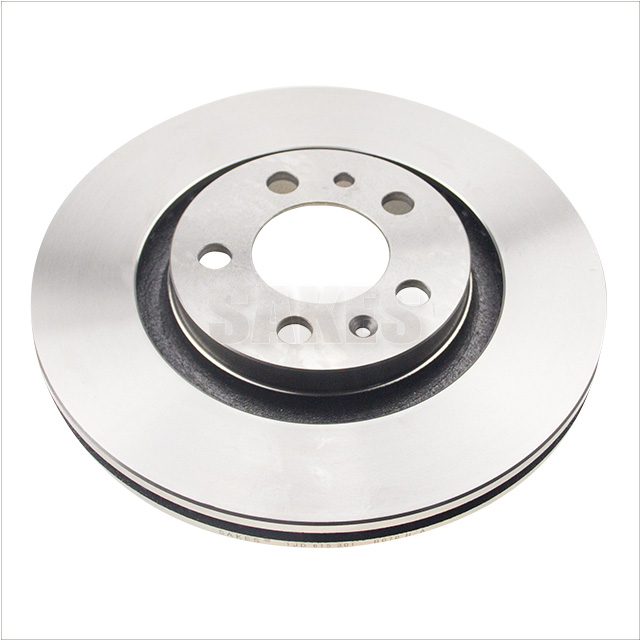
How Brake Discs Wear — The Mechanism
A brake disc is an active friction surface converting kinetic energy into heat every time the vehicle slows. Hydraulic pressure forces pads against both faces of the rotating disc, generating temperatures exceeding 400°C during repeated hard braking. This thermal-mechanical cycle — repeated thousands of times — drives wear.
Friction, Heat, and Material Transfer
Brake disc wear is not simply material being ground away — a significant contributor is uneven pad material transfer. Under normal braking, a thin, uniform layer of pad material transfers to the disc surface, creating the friction interface. When this layer becomes uneven — from overheating, prolonged stationary contact after hard braking, or incompatible pad compounds — high spots develop. These generate vibration commonly misdiagnosed as "warped rotors" and accelerate localized wear producing thickness variation.
Real-World Case — A Fleet Operator Diagnoses Premature Wear
A delivery fleet operating 40 vans in hilly terrain experienced brake disc replacement at an average of 35,000 km — well below the expected 60,000 to 80,000 km service life. The fleet's supplier analyzed replaced discs and identified three contributing factors: the pads were a high-friction semi-metallic compound optimized for cold stopping but prone to overheating on long descents; drivers were riding brakes downhill rather than using engine braking; and caliper slide pins on several vans showed insufficient lubrication, causing the caliper to drag the pad against the disc continuously even when the brake pedal was released. Switching to a ceramic pad compound rated for higher-temperature operation, implementing driver training on descent braking technique, and adding caliper slide pin lubrication to the preventive maintenance schedule extended average disc life to 72,000 km. Sakes Auto Parts supplies brake disc components engineered for consistent wear characteristics across a range of vehicle applications and operating conditions.
Five Common Causes of Brake Disc Wear
Pad Material, Overheating, Contamination, Driving Style, and Caliper Issues
Semi-metallic pads — 30% to 65% metal fibers — provide excellent heat dissipation but are abrasive to cast iron discs. Ceramic pads wear discs more slowly but cost more. Overheating above 500°C causes localized surface hardening — heat checking — where hardened zones wear at different rates, producing thickness variation. Contamination — road salt, grit, oil from leaking seals — embeds in pads and scores the brake disc. Aggressive driving multiplies thermal cycles. Sticking caliper slide pins cause continuous low-level pad contact, generating constant heat and wear.
Recognizing Brake Disc Wear Symptoms
Vibration, Noise, Visual Scoring, and Reduced Stopping Power
A pulsing sensation through the brake pedal under light to moderate braking — the oscillation felt through the driver's foot — indicates disc thickness variation, the most common brake disc wear symptom. A rhythmic grind or metallic scraping sound during braking — distinct from the high-pitched squeal of worn pad indicators — indicates the disc surface is scored or grooved. Visual inspection through the wheel spokes reveals concentric grooves on the disc face. A pronounced lip at the outer edge of the disc — the unworn portion beyond the pad contact area — shows how much thickness has been lost; a lip exceeding 1 mm typically indicates the disc is approaching its minimum thickness specification. Stopping distance that gradually increases over months of driving indicates cumulative disc and pad wear reducing effective friction at the pad-disc interface.
Extending Brake Disc Service Life
Five Practices for Longer Disc and Pad Life
First, use engine braking on long descents — downshifting reduces brake disc temperature. Second, avoid holding the brake pedal after a hard stop — stationary contact on a hot disc creates uneven pad transfer. Third, replace pads before they wear to the backing plate. Fourth, lubricate caliper slide pins at every pad change. Fifth, select pad compounds matched to operating conditions — a heavy SUV in mountains needs different characteristics than a city commuter car.
Frequently Asked Questions
What causes brake disc wear?
Brake disc wear is caused by friction heat cycles, abrasive pad materials, contamination from road grit and salt, aggressive driving, and mechanical issues like sticking caliper pins. Sakes Auto Parts provides brake discs engineered for consistent wear performance.
How long should brake discs last?
A brake disc typically lasts 50,000 to 80,000 km in normal driving. Heavy vehicles, mountainous terrain, aggressive driving, and semi-metallic pads reduce this to 30,000 to 50,000 km. Ceramic pads can extend life beyond 100,000 km.
What is the difference between disc wear and disc warping?
True physical warping is rare. Most "warped disc" symptoms are uneven pad material transfer creating high spots on the brake disc surface. These deposits cause the brake pedal pulsation felt during braking.
How can brake disc wear be identified?
A pulsing brake pedal during light braking, a rhythmic metallic grinding sound, visible concentric grooves on the disc face, an outer-edge lip exceeding 1 mm depth, and progressively longer stopping distances over months of driving all indicate a brake disc approaching the end of its service life and requiring inspection by a qualified technician.
Do ceramic pads wear discs faster or slower than semi-metallic?
Ceramic pads wear brake disc surfaces more slowly because they contain fewer abrasive metal fibers. The trade-off is higher pad cost and potentially reduced cold-weather initial braking bite.
Can brake disc wear be reduced by driving technique?
Yes. Using engine braking on long descents by downshifting, avoiding prolonged stationary brake pressure after hard stops (which creates uneven pad material transfer on the hot disc surface), and braking progressively rather than abruptly all measurably reduce brake disc wear. Fleet studies have shown implementing driver training on these techniques can extend average disc service life by 30% to 50%.