
 EN
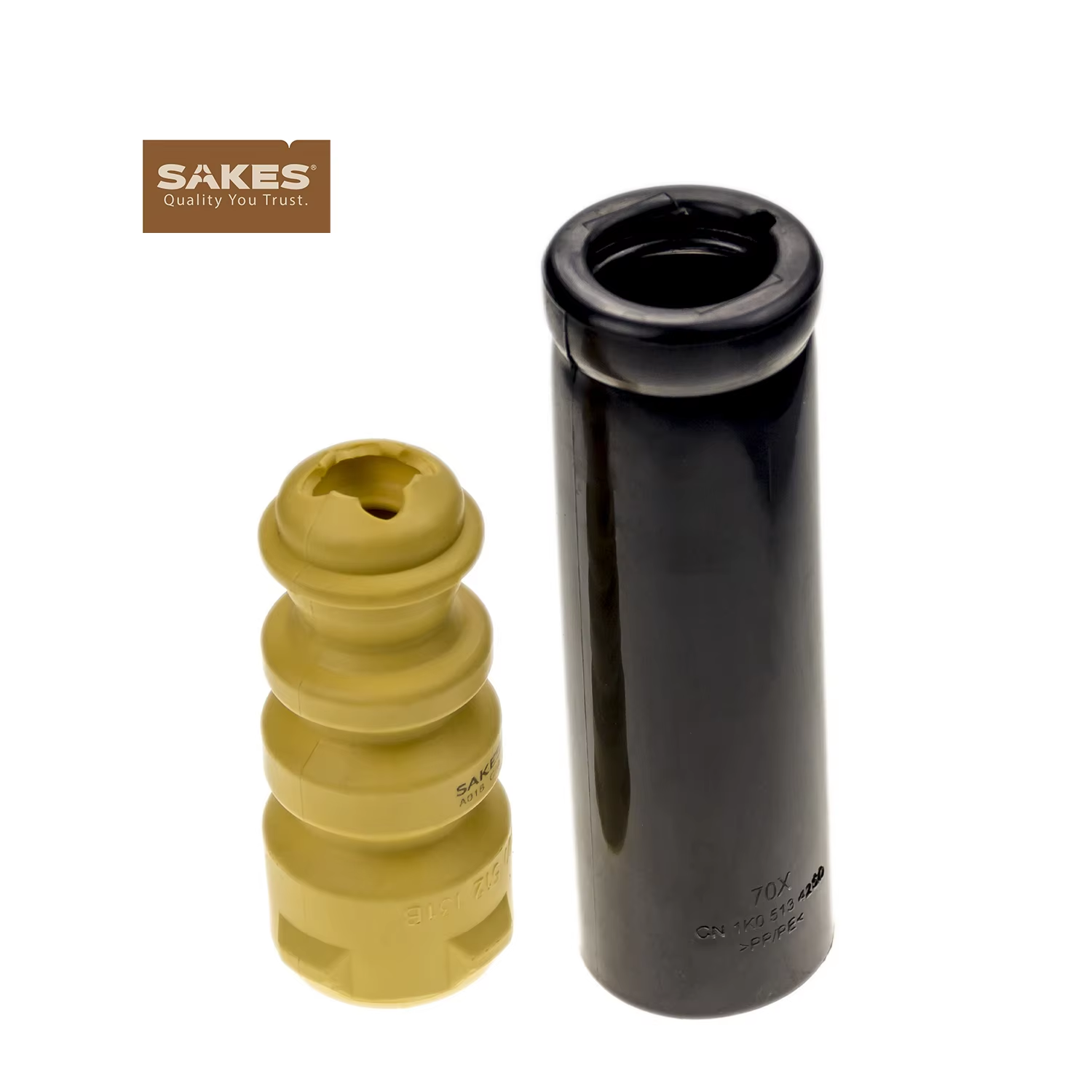
A Wrong Damper That Ruined the Ride
A driver fitted stiff race shocks to a daily commuter. The car chattered over seams, the tires lost contact on bumps, and cabin noise rose. The shock absorber was built for track load, not potholes. Swapping to a matched street valving restored control and comfort. The case shows that "firmer" is not "better"; the right shock absorber matches duty, not marketing.
Why Stiff Is Not Always Safe
Over-damped wheels skip instead of follow the road. A shock absorber that holds the body flat but loses tire contact lengthens stops. Control lives in the tire patch.
Risk Analysis
Poor Handling
Worn or wrong shocks let the body pitch and dive. The car wanders and brakes longer. A shock absorber past its life hides in soft, floaty feel.
Uneven Tire Wear
Uncontrolled bounce scuffs tread in patches. The shock absorber that cannot settle the axle costs tires.
Load and Tow Risk
Under-rated dampers overheat and fade on long grades, dropping control when needed most.
Professional Analysis
Twin-Tube vs Monotube
Twin-tube shocks use an outer reserve for fluid; they ride soft and cost less. Monotube shock absorber units place gas and oil in one chamber for firmer, cooler duty. Each suits different loads. Construction decides heat handling.
Valving and Damping Curve
Valves meter fluid to resist motion. A shock absorber is tuned by low-speed (body roll) and high-speed (bump) rates. Wrong curves ride harsh or float. Tuning is the real product, not the badge.
Gas Charge and Fade
Nitrogen gas stops fluid foaming under heat. A gas-charged shock absorber keeps force steady on repeat bumps. Without it, fade grows on mountain roads.
Load Rating
Spring and damper must match axle weight. A shock absorber rated below load bottoms out and bangs the stop. Match to the loaded vehicle, not the empty curb.
Authority References
IATF 16949 and ISO 9001 cover build quality and traceability. SAE papers define damping measurement. FMVSS 126 requires electronic stability control that depends on predictable dampers. ANSI and OSHA cover shop safety during replacement. A documented shock absorber meets these by tested design.
Practical Value
How to Select
Match the axle load and use. A shock absorber for towing differs from a street unit. Confirm type, valving, and mount style. Ask for the load chart.
How to Inspect Old Units
Leaks, worn bushings, and a bounce test reveal condition. A shock absorber that fails the push-down rebound needs replacement. Check mounts for cracks.
How to Use
Replace in axle pairs, not singles. A shock absorber paired with a worn spring still rides poor. Align after fit. Torque mounts to spec.
How to Maintain
Wash off road salt, check bushings yearly, and watch for leaks. Log the fit date. A clean shock absorber lasts longer in winter climates.
Frequently Asked Questions
Question: Twin-tube or monotube, which is better?
Answer: Neither is universally better; they suit different jobs. A twin-tube shock absorber rides softer and costs less, good for street comfort. A monotube unit handles heat and firm duty better, favored for load or sport. The right shock absorber matches the use, not the label. Pick by load, climate, and ride goal, and confirm the mount fits the axle.
Question: How long do shock absorbers last?
Answer: Many serve 80,000–160,000 km, but load, roads, and climate shift the number. A shock absorber on rough winter routes fades sooner than one on smooth highways. Condition beats mileage: leaks, bounce, and worn bushings signal replacement. Test by pushing the corner; repeated motion means the damper is gone. Log the date and recheck yearly.
Question: Can wrong shocks damage tires?
Answer: Yes. A weak or mismatched shock absorber lets the tire bounce and scuff tread in patches, shortening life and hurting grip. Over-stiff units skip contact on bumps, also wearing unevenly. The damper that cannot settle the axle costs tires and stability. Match valving to the vehicle and replace in pairs to keep wear even and handling predictable.
Question: Should shocks be replaced in pairs?
Answer: Yes, on the same axle. A new shock absorber beside a worn one splits effort and makes the car lean and dive. Pairs restore balance and brake straight. Replacing one only invites uneven wear and odd handling. Springs and mounts should be checked too, since a tired spring defeats a fresh damper. Always align after the work.
Question: Do shocks affect braking distance?
Answer: Directly. A shock absorber that keeps the tire planted shortens stops; a worn one lets the nose dive and the rear lighten, lengthening them. FMVSS 126 stability control assumes predictable dampers. The right shock absorber steadies the body through the stop. Neglected dampers quietly raise risk long before they leak. Test and replace on condition.
Question: Are gas-charged shocks worth it?
Answer: For heat and repeat bumps, yes. A gas-charged shock absorber resists fluid foaming that causes fade on long or rough roads. On mild street use, a quality twin-tube may satisfy. The gain shows under load, towing, or mountain driving where temperature climbs. Match the gas charge to duty; pay for it only where the extra stability earns its keep.