
 EN
EN
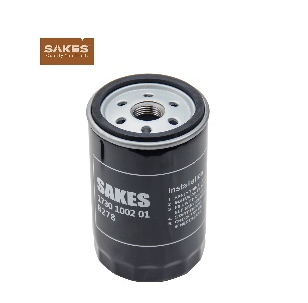
The Rising Demand for Car Oil Filters and Supply Chain Challenges
Understanding the Automotive Industry Demand for Car Oil Filter Solutions
Car oil filter demand is really taking off in the automotive sector right now because more cars are being made all around the world plus emissions rules keep getting tougher. The latest market analysis shows that better filtration tech isn't just nice to have anymore it's basically necessary for keeping engines running properly while meeting those new global standards such as Euro 7 and EPA Tier 4 regulations. We're talking about something like 75 million vehicles rolling off assembly lines each year globally. For original equipment manufacturers, this means they need to focus on top quality filters that cut down on engine damage and help satisfy their warranty obligations without breaking the bank.
Market Trends Influencing Car Oil Filter Consumption and Replacement Cycles
People are starting to replace their car filters much sooner these days, typically around 5,000 to 7,500 miles instead of waiting longer. The rise in electric vehicles has definitely cut down on filter needs for regular passenger cars. But interestingly enough, many hybrids still need regular filters, and commercial trucking companies keep using traditional combustion engines too. Most of the money made from filters actually comes from the aftermarket sector, making up about 62% of all sales. Drivers seem to be gravitating toward those expensive synthetic media filters rather than going for the cheaper cellulose ones, probably because they last longer and perform better overall.
OEM Production Pressures and Aftermarket Dynamics
Original equipment manufacturers are dealing with two big headaches right now. First, they need to ramp up production as the automotive industry grows at around 4.3% per year. At the same time, there's chaos in the supply chain because certain raw materials just aren't available when needed. On the flip side, the aftermarket is doing pretty well these days. The sector brings in about $21.8 billion annually, largely thanks to more people fixing their own cars at home. Online stores have seen filter sales jump by nearly 18% compared to last year. For suppliers caught between these worlds, it's all about juggling tight schedules for OEM orders while staying flexible enough to meet the unpredictable demands of the aftermarket market. Getting this balance right makes all the difference in staying competitive today.
Shortcomings of Traditional Sourcing Models for Car Oil Filters
Risks of Short-Term, Transactional Procurement in Automotive Parts Sourcing
More than half of all auto makers depend on cheap, one-time deals for their car oil filter needs, which puts them at about 26% greater risk of supply chain problems according to Ponemon's 2023 study. The whole system is built around cutting costs right now rather than thinking long term, making these companies really susceptible when materials run short or suppliers suddenly pull out. Looking at data from the 2024 Automotive Supply Chain Report, we see something interesting too. Companies that just treat suppliers as transaction partners end up with roughly 18% more defects because quality control isn't consistent across the board. That kind of thing doesn't happen so much when businesses actually work closely with their suppliers instead of just haggling over prices every time they need something new.
Inadequate Supplier Evaluation and Lack of Performance Transparency
About one third of oil filter suppliers don't have proper quality certifications in place, while nearly four out of five procurement departments skip checking if vendors actually have the technical skills they claim. This creates problems down the road when suppliers struggle to hit those important OEM requirements for flow rates (at least 12 gallons per minute) and filtration efficiency (over 98.7% at 20 microns). Very few buyers insist on real time data sharing from their suppliers either, which means critical performance indicators such as timely deliveries often go unchecked. Companies are missing out on valuable insights that could help them avoid supply chain disruptions and costly production holdups.
Limited Innovation Due to Low Supplier Engagement
Traditional bidding restricts 89% of suppliers from proposing advancements like biodegradable cellulose media or silicon-coated gaskets. Manufacturers using rigid RFQ templates receive 72% fewer innovation proposals than those co-developing specs with partners. This stagnation is costly as electric vehicles demand adaptive filter designs—a sector projected to grow 210% by 2030 (Frost & Sullivan 2023).
How Collaborative Sourcing Transforms Car Oil Filter Procurement
Defining Collaborative Sourcing in Automotive Supply Chains
The shift toward collaborative sourcing has changed how car manufacturers buy oil filters, moving away from simple transactions to building real partnerships with suppliers. Traditional methods were all about cutting costs quickly, but this new approach brings suppliers into the mix much earlier during product development and planning for demand. Car companies that adopted this strategy saw their production delays drop by around 18 percent last year when they matched what suppliers could offer with actual engineering requirements. What makes this work so well is that it allows manufacturers and suppliers to develop custom filter materials and housing together, something that keeps pace with the constant changes happening in modern engine technology.
Building Trust and Transparency With Car Oil Filter Suppliers
When companies openly discuss their costs and track performance together, trust starts to build between partners. Top manufacturers are increasingly sharing live updates on what's in stock right now plus predictions about what they'll need over the next five years. This transparency creates a sense of responsibility on both sides. According to research published by S&P Mobility last year, car part makers who adopted this approach saw around 22 percent drop in quality problems compared to traditional suppliers. Looking at materials tracking during joint inspections helps make sure everything meets green standards too. Many industry experts believe this kind of collaboration isn't just good business but actually essential for staying competitive in today's market.
Effective Communication and Data Sharing as Drivers of Alignment
Centralized digital platforms support continuous collaboration across three areas:
- Specification changes — Immediate alerts on viscosity or pressure rating updates
- Production adjustments — Shared dashboards for factory capacity utilization
-
Market feedback — Joint analysis of warranty claims to refine filter designs
This transparency helps suppliers anticipate shifts in replacement demand, cutting lead times by 30—45 days.
Multi-Criteria Decision-Making for Long-Term Supplier Partnerships
Progressive OEMs evaluate car oil filter suppliers using weighted criteria:
| Factor | Weight | Impact |
|---|---|---|
| Technical Expertise | 35% | Compatibility with synthetic oils |
| Sustainability | 25% | Recycled material integration |
| Cost Innovation | 20% | Value engineering proposals |
| Delivery Reliability | 20% | On-time performance in JIT environments |
This framework selects partners capable of co-developing filters that meet tightening emissions rules while maintaining economic viability.
Strategic Supplier Collaboration: Joint Planning and Operational Efficiency
Creating Win-Win Relationships Through OEM-Supplier Co-Planning
Working together on sourcing has changed how car oil filters get procured, bringing OEMs and suppliers closer through shared planning efforts. When production calendars and capacity deals are shared between parties, suppliers can streamline their operations while original equipment manufacturers find themselves with more room to maneuver. Take one major manufacturer as an example they cut down their lead times by almost 20% once they started using collaborative planning methods that emphasized making money for everyone involved instead of just haggling over prices in every deal.
Joint Business Planning for Accurate Forecasting and Inventory Optimization
When suppliers and original equipment manufacturers start looking ahead with integrated supply chain analytics, they can actually line up their production schedules better with what's happening in the marketplace. Research shows that companies who work together on inventory management saw their storage expenses drop around 34 percent, all while filling orders at nearly 99.2 percent accuracy rates. Having this kind of insight really helps avoid making too many specialized filters nobody wants, but also keeps shelves stocked when customers need those popular items, especially ones compatible with synthetic oils which have become so widespread lately.
Cross-Functional Collaboration to Enhance Responsiveness and Quality
These days, quality engineers work alongside procurement folks and supplier techs to design oil filter validation protocols together. A recent look at operations across North America showed some pretty impressive results from this teamwork approach. Defects got resolved about 40% faster when everyone was on the same page, mainly because they could share data instantly and catch problems before whole batches had to be rejected. The companies also formed special committees focused on solving problems together, which keeps pushing filtration efficiency forward. This matters more than ever since modern engines have such tight tolerances that even small improvements make a big difference in performance.
Cost, Innovation, and Sustainability Gains Through Collaboration
Reducing Total Cost of Ownership via Shared Risk and Design Innovation
Collaborative sourcing lowers the total cost of ownership (TCO) for car oil filters by aligning OEMs and suppliers on shared risk and joint design improvements. A 2023 procurement analysis revealed manufacturers leveraging co-design partnerships reduced material waste by 18—22% while speeding time-to-market for advanced filtration. Integrating supplier expertise early delivers:
- 15—20% cost savings from optimized material usage
- 12% faster innovation cycles through real-time technical feedback
-
30% fewer defects via proactive quality planning
This transforms supplier relationships into innovation accelerators, enabling novel materials like high-efficiency cellulose blends that meet strict OEM standards.
Case Study: Efficiency Improvements in Car Oil Filter Production
One leading automaker implemented collaborative forecasting with three strategic filter suppliers. Over 18 months, the partnership:
- Reduced inventory carrying costs by $2.1M annually through just-in-time delivery
- Improved production line efficiency by 30% via shared IoT-enabled quality monitoring
- Cut order lead times from 12 weeks to 6 weeks through transparent capacity planning
These results stemmed from bidirectional data sharing—suppliers accessed real-time demand signals, while OEMs monitored raw material availability. The 2024 Automotive Procurement Report notes such collaborations typically yield 19% higher margins than transactional models.
Green Collaboration: Sustainable Sourcing and Environmental Compliance
Forward-thinking manufacturers now align car oil filter procurement with circular economy principles. A 2024 industry survey showed 68% of suppliers increased recycled material use after joint sustainability goal-setting with OEMs. Key initiatives include:
- Co-developing biodegradable filter housings that cut landfill waste by 40%
- Implementing blockchain-tracked conflict-free mineral sourcing programs
- Achieving 100% REACH/SVHC compliance through shared chemical management systems
As highlighted in recent sustainability partnership research, these efforts reduce regulatory risks and boost brand value—85% of automotive buyers prefer eco-certified suppliers.
Table of Contents
- The Rising Demand for Car Oil Filters and Supply Chain Challenges
- Shortcomings of Traditional Sourcing Models for Car Oil Filters
- How Collaborative Sourcing Transforms Car Oil Filter Procurement
- Strategic Supplier Collaboration: Joint Planning and Operational Efficiency
- Cost, Innovation, and Sustainability Gains Through Collaboration