
 EN
EN
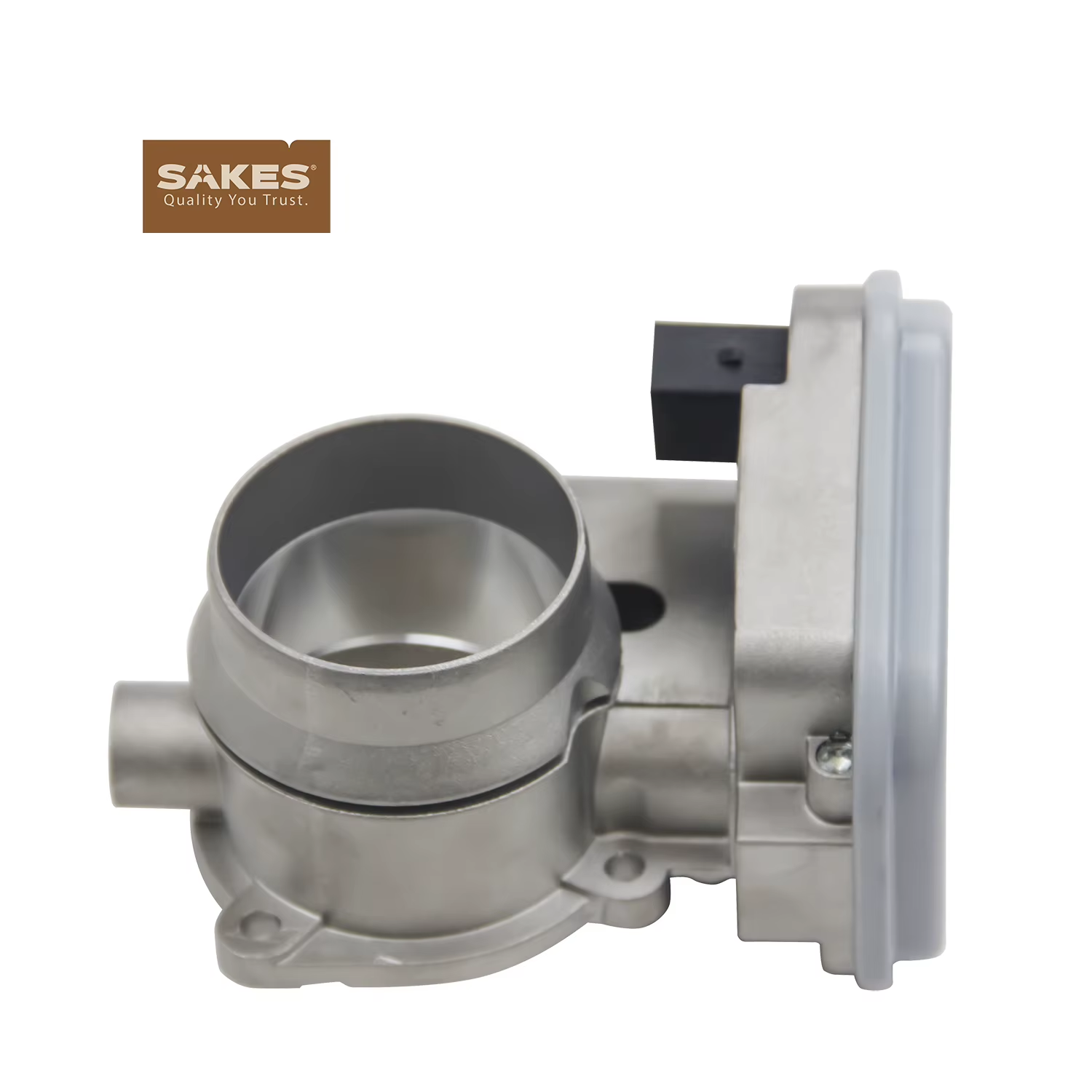
How to Clean Throttle Body Carbon Deposits?
Carbon deposits on a throttle body are the cumulative result of engine blow-by gases, oil mist from the PCV system, and combustion byproducts that find their way upstream through the intake tract. Direct-injection engines are particularly susceptible because fuel never washes the intake side—leaving only hot oil vapor to bake onto throttle plate surfaces. A dirty throttle body causes an erratic idle, hesitation during light acceleration, and eventually a check engine light for idle air control correlation. Cleaning restores proper function without component replacement—but only if done correctly.
Why Carbon Builds Up on Throttle Bodies
The carbon deposition mechanism begins with the PCV system. The positive crankcase ventilation system routes blow-by gases—a mixture of unburned hydrocarbons, water vapor, and oil mist—from the crankcase back into the intake tract upstream of the throttle body. As these gases flow past the throttle plate, the temperature drop across the plate (from the Venturi effect at part throttle) causes the oil mist to condense on the back of the plate and the adjacent bore wall. Subsequent heat cycles bake this oil film into a hard carbon layer. After 60,000–100,000 km, the deposit thickness reduces the designed idle air gap between the plate and bore, and the ECU compensates by commanding a wider throttle angle—until the compensation range is exhausted and idle quality degrades.
Direct-injection engines compound the problem because fuel arrives directly in the cylinder, not through the intake port. Port-injected engines receive a continuous solvent wash of fuel on the intake valve and port surfaces, keeping deposits manageable. Direct-injected engines receive no such cleaning action, so all oil vapor reaching the intake tract becomes deposit material.
The Cleaning Procedure: What Not to Do
The most common mistake in throttle body cleaning is spraying carburetor cleaner or brake cleaner instead of dedicated throttle body cleaner. These solvents are too aggressive for the thin anti-stick coating applied to most modern throttle plates and bore surfaces. Once this coating is damaged, carbon adheres more aggressively to the bare metal, and deposits return more quickly than before. Always confirm the cleaner label specifies throttle body or intake cleaner compatibility.
Step one: disconnect the negative battery terminal. Cleaning with the ignition on risks the ECU commanding the throttle motor to move against your hand—a pinch hazard and a potential cause of stripped plastic reduction gears inside the throttle body housing.
Step two: remove the intake duct and visually assess the deposits. The throttle plate should remain installed in the manifold—removing it adds unnecessary work and risks tearing the gasket. Spray throttle body cleaner liberally onto the back of the throttle plate and the bore area directly behind it. Let the solvent dwell for two to three minutes to soften the carbon.
Step three: use a clean, lint-free microfiber cloth wrapped around a finger or a soft nylon brush designed for throttle body cleaning to gently wipe the dissolved deposits from the plate and bore. Do not use a wire brush, metal scraper, or abrasive pad—these remove the anti-stick coating. Do not spray cleaner directly onto the throttle shaft or into the shaft bearings, as solvent infiltration can wash out the bearing grease and cause shaft seizure within months.
Step four: manually open the throttle plate by pressing on the edge of the plate with a clean cloth and clean the bore area that was covered by the plate's closed position. Then clean the front face of the plate and let all solvent evaporate completely (approximately 10 minutes with the intake duct disconnected) before reconnecting the battery.
Post-Cleaning Recalibration
After cleaning, the ECU must relearn the throttle body's cleaned closed-position voltage because the carbon that the ECU had adapted to is now gone. Many vehicles perform this automatically on the next drive cycle. To force immediate relearning, cycle the ignition: key on for 15 seconds (engine off), key off for 30 seconds, repeat, then start and idle for 10 minutes without touching the accelerator. For vehicles that require scan tool adaptation, perform the throttle body alignment procedure through the diagnostic tool.
Case: Carbon Cleaning Restores Smooth Idle
A VW with a direct-injection engine developed a progressively worsening idle stumble and occasional stalling when coming to a stop at 75,000 km. A scan revealed no fault codes—the ECU had compensated for the carbon buildup within its adaptation range, so no code had triggered. Throttle body cleaning with a dedicated intake cleaner removed black deposits approximately 1mm thick from the back of the plate. After the ignition cycling calibration procedure, idle speed stabilized at 750 RPM with no fluctuation, and the stalling condition was eliminated. The owner sourced replacement parts knowledge through suppliers such as Sakes Auto Parts, who provided OE-quality throttle bodies for vehicles where cleaning was insufficient.
Frequently Asked Questions
How often should a throttle body be cleaned?
Direct-injection engines benefit from throttle body cleaning every 50,000–60,000 km. Port-injected engines are less susceptible and can often extend to 80,000–100,000 km before cleaning is necessary. Vehicles operated primarily in stop-and-go traffic accumulate deposits faster than highway-driven vehicles.
Can throttle body cleaner damage the engine?
Dedicated throttle body cleaner, when used correctly and allowed to evaporate before starting, does not damage the engine. Using carburetor cleaner or brake cleaner risks damaging the anti-stick coating and the throttle shaft bearing seals.
What are the symptoms that indicate throttle body cleaning is needed?
An idle that dips below 600 RPM and recovers, hesitation when accelerating from a stop, a hanging idle that stays elevated after releasing the accelerator, and rough running during cold start that improves as the engine warms are all symptoms of carbon-restricted idle airflow.
Does throttle body cleaning affect fuel economy?
Yes. A throttle body that is restricted by carbon causes the ECU to command a richer fuel mixture at idle and part throttle, increasing fuel consumption. Cleaning restores the designed air-fuel ratio and typically improves city fuel economy by 3–7%.
Is throttle body cleaning a DIY task?
Yes, for anyone comfortable removing an intake duct and handling spray solvents. The total time is 30–45 minutes, and the cost is limited to the throttle body cleaner and a microfiber cloth. The key risk is damaging the anti-stick coating with improper tools.
When is cleaning insufficient and replacement necessary?
If cleaning does not restore smooth operation, or if the throttle body motor is drawing excessive current even after cleaning, the electronic throttle control motor or position sensors have likely failed independently of the carbon issue. In these cases, replacement with a quality aftermarket unit from a supplier like Sakes Auto Parts is the correct next step.