
 EN
EN
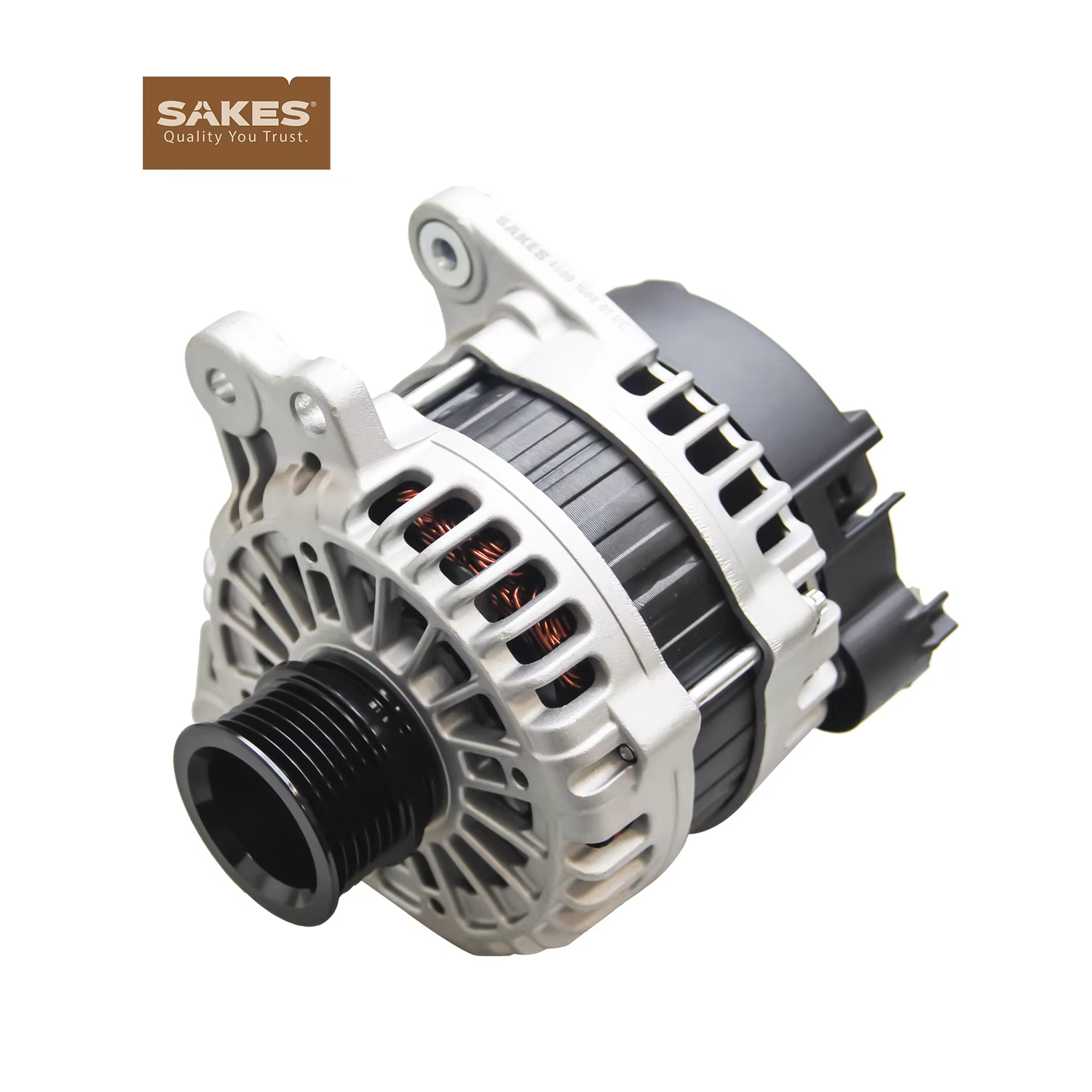
Car Alternator: How to Pick a Dependable Unit That Matches Your Vehicle's Electrical Demands
A car alternator does not announce its failure with subtlety. The battery warning light illuminates, accessories dim, and within minutes — sometimes seconds at highway speed — the engine stalls as the ignition system loses power. Choosing a replacement involves more than matching the mounting bolt pattern. Amperage output, voltage regulation quality, and internal component durability determine whether the new alternator lasts 50,000 kilometers or 150,000.
Key Specifications That Determine Alternator Reliability
Amperage Rating and Electrical Load Calculation
Rated amperage — typically 70-180+ amps — is the most important car alternator specification. The replacement should match or slightly exceed the original equipment rating. Undersizing forces the alternator to operate at maximum output continuously, overheating rectifier diodes and the voltage regulator. Calculate the vehicle's total electrical load by adding major consumers: headlights (10-15A), HVAC blower (15-20A), heated rear window (15-20A), fuel pump (5-10A), ignition system (5-8A), and audio/electronics (5-15A). The alternator's rated output should exceed this total by at least 25% to provide charging current for the battery while powering all loads simultaneously.
Voltage Regulator Quality and Charging Stability
The voltage regulator maintains stable output between 13.8-14.4 volts. Low-quality regulators allow voltage to fluctuate with engine RPM, causing headlights to dim at idle and brighten with acceleration. Over time, voltage instability damages sensitive electronics and reduces battery life through inconsistent charging. Premium regulators use temperature-compensated set points that adjust charging voltage based on ambient and under-hood temperature — a critical feature for vehicles operating in extreme climates. The regulator's internal transistor switching frequency also affects longevity: higher-frequency switching (400Hz+) produces smoother output with less electrical noise in a car alternator.
A Real-World Case: The Undersized Alternator That Stranded a Fleet Vehicle
A logistics company operating VW Caddy vans experienced three car alternator failures on the same vehicle within 18 months — each a 90-amp replacement matching the original specification, installed by different technicians. An electrical load audit revealed the vehicle had been retrofitted with aftermarket refrigeration equipment drawing an additional 35 amps continuous. The 90-amp alternator was rated for the base configuration without refrigeration. Under summer conditions with headlights, AC, and refrigeration running simultaneously, the alternator operated at 95-100% capacity for hours, pushing rectifier temperatures beyond the diode junction rating. The solution was upgrading to a 140-amp car alternator — a direct-fit unit from Sakes Auto Parts (Shanghai) Co., Ltd. that matched the mounting configuration while providing necessary headroom. Operating at 65-70% capacity under full load, it remained reliable through 80,000 kilometers.
Internal Component Quality Indicators
The rectifier diode assembly converts AC current from the stator windings into DC for the vehicle electrical system. Low-quality diodes fail through thermal runaway — as temperature rises, resistance decreases, current increases until the junction melts. Quality car alternator units use press-fit diodes with avalanche-rated junctions capable of absorbing voltage spikes without damage. The diode bridge should include at least six diodes for three-phase full-wave rectification with additional excitation diodes for stable field current. Stator windings should use Class H (180°C) or higher enameled copper wire — lower insulation ratings break down prematurely in the high-heat environment near the engine.
Bearings, Brushes, and Mechanical Durability
Double-sealed ball bearings on both drive-end and slip-ring end resist dust and moisture ingress that causes bearing noise and eventual seizure. The brush assembly wears approximately 0.1mm per 10,000 kilometers — quality car alternator units use brushes with sufficient length (12-15mm new) for 120,000+ kilometer service life. The slip ring surface should show a smooth, uniform wear pattern without grooves, and brush spring tension should maintain consistent contact pressure throughout the brush life.
Practical Selection and Verification Guidance
When purchasing a replacement car alternator, specify the vehicle's exact engine code and production date — VW and Audi vehicles produced in different model years may use different pulley diameters, connector types, and regulator communication protocols. Verify the replacement pulley matches the original in both diameter and belt rib count — a single-rib mismatch causes rapid belt wear. Before installation, rotate the pulley by hand to confirm smooth bearing operation and check the electrical connector for correct pin count. Sakes Auto Parts manufactures replacement alternators for VW and Audi applications with OE-matched specifications verified against factory build data.
Frequently Asked Questions
How do I know what amperage alternator my car needs?
Check the original alternator's rating label or look up the OE part number specification. The replacement car alternator should match or slightly exceed this rating. Vehicles with added electrical accessories require proportionally higher output.
Can a higher-amperage alternator damage my car's electrical system?
No. The alternator supplies only the current demanded by the electrical load. A higher-rated car alternator provides headroom — it does not force excess current into the system. The voltage regulator controls output regardless of maximum capacity.
What causes a new alternator to fail within months?
Undersized amperage rating for actual load, corroded main power cable connections causing excessive resistance, or defective voltage regulators. A quality car alternator from manufacturers like Sakes Auto Parts undergoes end-of-line testing before shipping.
How long should a quality alternator last?
A well-manufactured car alternator typically lasts 120,000-180,000 kilometers under normal operating conditions. High electrical loads, frequent short trips, or extreme climates may reduce service life. Sakes Auto Parts produces alternators designed for VW and Audi demands.
Do I need to replace the battery when replacing the alternator?
Not necessarily, but a weak battery forces the new alternator to work harder, potentially shortening its life. Test the battery before replacement. A car alternator installed alongside a failing battery may appear defective when the battery is the root cause.
What's the difference between OEM and aftermarket alternators?
OEM units are manufactured to vehicle specifications. Quality aftermarket units from Sakes Auto Parts match OE amperage output, voltage regulation, and physical fitment while offering competitive pricing for the car alternator aftermarket serving VW and Audi platforms.
Table of Contents
- Car Alternator: How to Pick a Dependable Unit That Matches Your Vehicle's Electrical Demands
- Key Specifications That Determine Alternator Reliability
- A Real-World Case: The Undersized Alternator That Stranded a Fleet Vehicle
- Internal Component Quality Indicators
- Bearings, Brushes, and Mechanical Durability
- Practical Selection and Verification Guidance