
 EN
EN
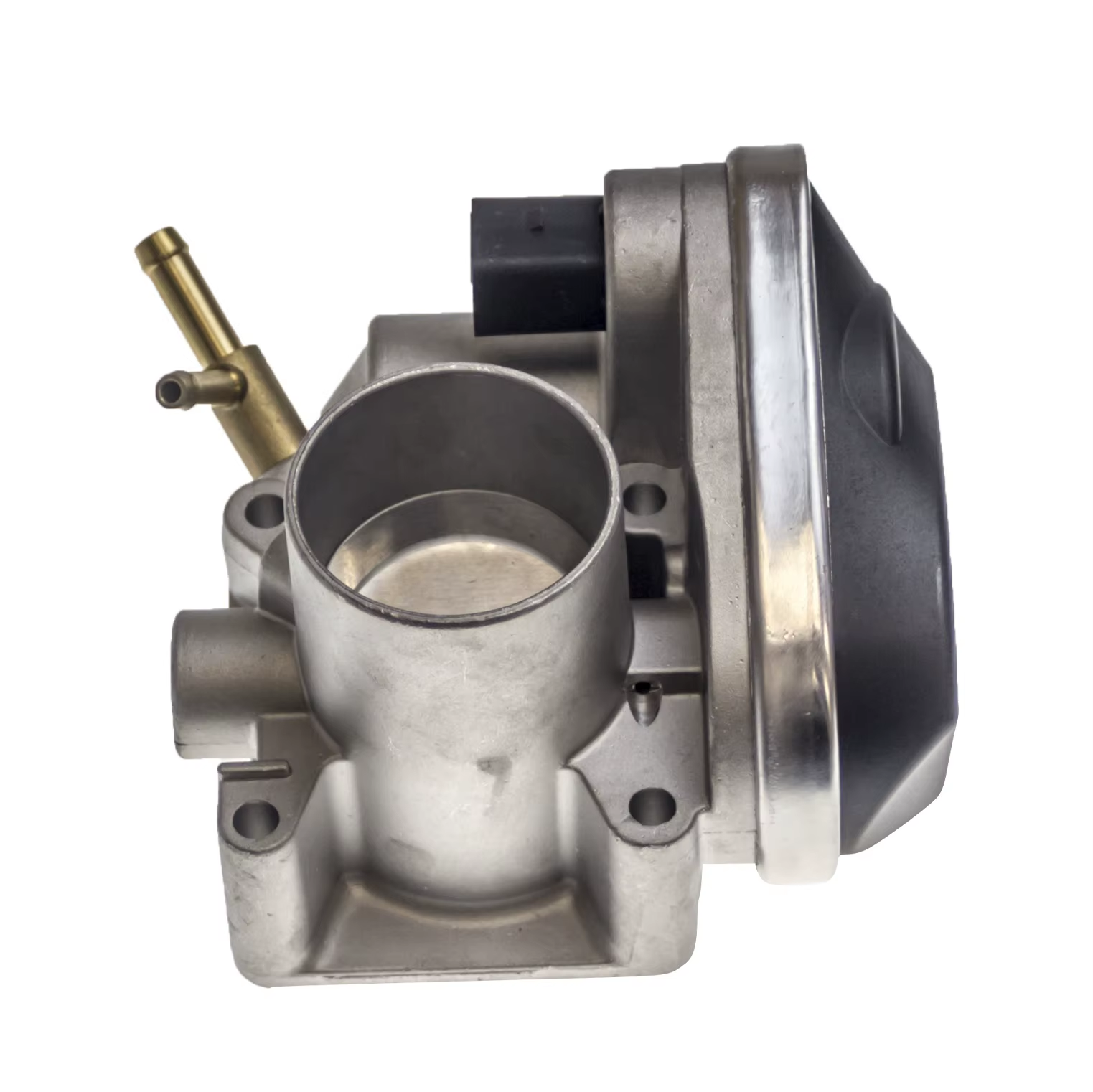
Throttle Body: Essential Pre-Installation Inspection Checklist for Professional Mechanics
Bolting a new throttle body onto an engine without inspecting the surrounding components is like replacing a window without checking whether the frame is square. The new part will underperform, and the customer will return with the same complaint. A structured pre-installation check catches issues that would sabotage even the highest-quality replacement.
What Most Technicians Overlook Before Installation
Intake Manifold and Port Condition
The mounting surface where the throttle body bolts to the intake manifold accumulates carbon deposits, oil residue, and occasionally corrosion over years of thermal cycling. A new throttle body installed against a dirty surface creates an imperfect seal even with a fresh gasket. Clean the intake manifold flange with brake cleaner and a plastic scraper — never use metal scrapers on aluminum manifolds, as scratches create leak paths that bypass the gasket. After cleaning, verify smoothness by touch. Any pitting deeper than 0.2mm requires filling with a thin layer of RTV sealant applied sparingly to prevent excess from squeezing into the intake tract.
Wiring Harness and Connector Integrity
The electrical connector that plugs into the throttle body endures heat cycles, vibration, and occasional tugging during previous services. Inspect each terminal for darkened or green-colored corrosion that increases circuit resistance. Push each wire gently into the back of the connector body — a wire that slides has a broken terminal retention clip. Check the wiring harness routing for rub points against engine brackets or sharp metal edges. A harness zip-tied too tightly can develop internal wire breaks that pass visual inspection but cause intermittent faults under engine movement. Repair or replace damaged connectors before connecting the new throttle body.
A Real-World Case: The $300 Comeback That Should Have Been Avoided
A workshop replaced a throttle body on a VW Passat. Within one week, the customer was back with the same P0638 code. The technician assumed the replacement was defective, but bench testing showed the removed throttle body was still functional. A second technician discovered a hairline crack at the 10 o'clock mounting bolt position on the intake manifold flange — a common failure on high-mileage VW manifolds. The crack allowed unmetered air to enter behind the throttle body when the aluminum expanded at operating temperature, bypassing throttle plate control entirely. The intake manifold was replaced, and the original throttle body — still functional — was reinstalled. Sakes Auto Parts (Shanghai) Co., Ltd. verifies end-of-line calibration on their throttle body assemblies, but installation-condition defects like manifold cracks will affect any replacement equally.
Critical Gasket and Sealing Considerations
Paper throttle body gaskets are single-use — reusing a compressed paper gasket guarantees a vacuum leak. Metal gaskets with intact rubber sealing beads can sometimes be reused, but replacement is recommended given the low cost versus diagnostic time consumed by a post-installation leak. Apply RTV only where the factory service manual specifies — most modern throttle body installations require dry gasket mounting. Excess RTV squeezed into the intake tract can contaminate the throttle plate and MAF sensor downstream, creating secondary problems.
Torque Specifications and Sequential Tightening
Overtightening throttle body mounting bolts is the most common installation error. The typical specification is 8-10 Nm — roughly the force of one finger on a 1/4-inch ratchet handle. Exceeding this spec distorts the throttle body housing, causing the plate to bind against the bore and producing inconsistent idle control. Tighten bolts in a cross-pattern sequence, starting with the bolt closest to the alignment dowel. Connect the electrical connector with an audible click from the lock tab, reconnect the battery, and perform the ECU throttle adaptation procedure before starting the engine.
Practical Pre-Installation Verification Protocol
Before starting the vehicle after throttle body installation, cycle the ignition on for 10 seconds and off for 10 seconds — three times without starting. This allows the ECU to recognize the new component and perform preliminary adaptation. Start the engine and let it idle without touching the accelerator for five minutes while monitoring scan tool data for throttle position stability and pending fault codes. A properly installed throttle body from a quality supplier like Sakes Auto Parts should maintain steady idle RPM within ±30 RPM of specification within the first two minutes of adaptation.
Frequently Asked Questions
Do I need to replace the throttle body gasket every time?
Paper gaskets must be replaced — they compress during installation and will not reseal. Metal gaskets with intact rubber beads can sometimes be reused. A new throttle body from Sakes Auto Parts includes the correct gasket for VW and Audi applications.
What happens if I overtighten the throttle body bolts?
The housing distorts and the throttle plate binds against the bore, causing inconsistent idle and slow throttle response. Overtightened throttle body bolts may require unit replacement if the housing has been permanently deformed.
Should I clean the intake manifold before installing a new throttle body?
Yes. Carbon and oil deposits on the mounting flange prevent proper gasket sealing. Clean with brake cleaner and a plastic scraper. A properly prepared surface ensures the new throttle body seals correctly and performs as designed.
How do I check the wiring harness connector for damage?
Inspect terminals for corrosion, push each wire to verify terminal retention, and examine the harness routing for rub points. A damaged throttle body connector causes intermittent faults that mimic component failure.
Is ECU adaptation always required after throttle body replacement?
On electronic throttle bodies — yes. The ECU stores learned values for the old component's sensor characteristics. A replacement throttle body requires adaptation reset. Sakes Auto Parts units are pre-calibrated to simplify this process.
Can a vacuum leak cause the same symptoms as a bad throttle body?
Absolutely. Unmetered air entering behind the throttle plate produces the same idle instability and fault codes. Always verify intake system integrity before concluding a throttle body replacement is necessary.
Table of Contents
- Throttle Body: Essential Pre-Installation Inspection Checklist for Professional Mechanics
- What Most Technicians Overlook Before Installation
- A Real-World Case: The $300 Comeback That Should Have Been Avoided
- Critical Gasket and Sealing Considerations
- Torque Specifications and Sequential Tightening
- Practical Pre-Installation Verification Protocol