
 EN
EN
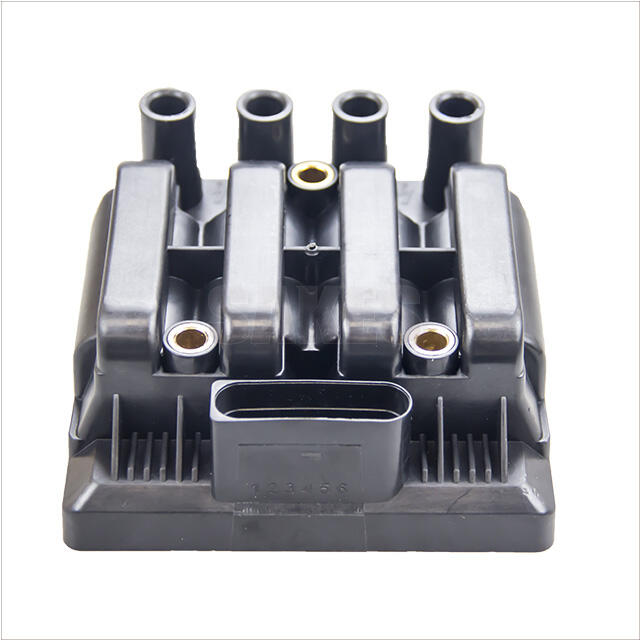
Common Ignition Coil Failure Symptoms
When ignition coils start going bad, they show specific warning signs that really hurt how well the engine runs and what it does with gas. The main thing people notice first is when the engine starts misfiring because there just isn't enough electricity getting to those spark plugs. This messes up the burning process especially when accelerating or pushing hard against hills according to research from Ponemon back in 2023. Alongside all that rough running comes another problem too many drivers report feeling through their steering wheels while sitting still at traffic lights. Those vibrations happen because some cylinders aren't firing properly anymore. Industry folks looked into this stuff last year and discovered something pretty shocking actually. Cars with bad coils can waste almost 28 percent more fuel than normal since so much raw gasoline ends up passing straight through into the exhaust instead of burning correctly.
| Critical Symptom Indicators | Operational Impact |
|---|---|
| Persistent check engine light | OBD-II error codes (P0300 series) |
| Power loss during acceleration | 15–22% torque reduction |
| Extended cranking at startup | 2.5× longer ignition time |
When fuel economy starts dropping off, it's usually a warning sign before total system failure hits. Fleet managers have seen their costs jump around $740 per year just from ignoring those early red flags. Vehicles become hard to start once ignition coils can't produce enough juice for proper spark creation, usually under 30 kilovolts at the very least. What makes things worse? These problems get progressively worse as engines run hotter. The heat basically cooks away the insulation inside those coil windings faster than normal. Getting ahead of these issues saves money long term because catalytic converters end up getting damaged otherwise. That happens when raw fuel gets through the combustion chamber and burns hot in the exhaust system, causing all sorts of expensive repairs down the road.
Accurate Ignition Coil Diagnosis Using OBD2 and Multimeter Testing
Getting accurate readings from ignition coils usually involves checking things electronically and doing some hands-on tests too. Start by plugging in an OBD2 scanner at the car's diagnostic port, which is generally found somewhere under the dash area. This device will pull out those Diagnostic Trouble Codes we all dread seeing. When looking at these codes, pay attention to the misfire ones like P030X since they tell us exactly which cylinder is acting up. There are also specific codes for ignition coil problems ranging from P0351 through P0358 that basically scream "coil trouble!" If wanting to double check what's going on physically, grab a multimeter once the ignition coil has been disconnected from the system. Make sure everything is properly grounded before proceeding though, because nobody wants sparks flying around when working with electrical components.
- Primary resistance: Measure between positive and negative terminals (typical range: 0.4 Ω–2 Ω)
- Secondary resistance: Test between the positive terminal and high-tension output (typical range: 6,000 Ω–15,000 Ω)
When checking vehicle readings, always cross reference them with what the manufacturer specifies for that particular model. If numbers are off by more than plus or minus 15%, that usually means something's wrong. Using both diagnostic approaches together helps avoid wrong conclusions. The OBD2 scanner catches those tricky electronic problems that come and go, whereas a good old fashioned multimeter test will spot real physical issues even when no warning lights show up on the dashboard. Mechanics who combine these techniques report cutting down on wasted parts by around two thirds, based on recent research from 2023 looking at how accurate different diagnosis methods really are. This saves money and time in fleet operations where getting repairs right first time matters most.
Ignition Coil Lifespan and Data-Driven Replacement Criteria
Understanding Average Service Life
Ignition coils typically last between 60,000 and 100,000 miles under standard operating conditions (SAE International 2023). This range varies based on three critical factors:
- Driving patterns: Stop-and-go traffic accelerates wear compared to sustained highway operation
- Environmental exposure: Moisture intrusion and extreme temperatures degrade coil integrity
- Electrical load: High-performance or modified ignition systems shorten component longevity
Evidence-Based Replacement Protocols
Preventive replacement at 80,000 miles proves cost-effective for fleets, reducing roadside failures by 34% compared to reactive maintenance (Commercial Vehicle Maintenance Report 2022). However, diagnostic data should always override fixed mileage intervals when these indicators appear:
- OBD2 trouble codes—particularly P0300–P0308 misfire sequences
- Secondary resistance readings exceeding manufacturer specifications by >15%
- Intermittent spark output confirmed via multimeter waveform analysis
Delaying replacement risks catalytic converter damage from unburned fuel, with average repair costs of $1,200 versus $150 for a coil replacement (NADA Service Data 2023). Technicians should prioritize replacement when misfire rates exceed 2% per 1,000 engine revolutions during diagnostic testing.
Risks of Delaying Ignition Coil Replacement in Fleet and Repair Operations
Postponing ignition coil replacement in commercial fleets and repair operations carries severe financial and operational consequences. Unaddressed failures directly cause unplanned downtime—a single misfiring vehicle can halt entire logistics chains, costing fleets over $740 hourly in lost productivity (Ponemon 2023). Worse, minor ignition issues cascade into critical damage:
- Cost Escalation: Weak coils overwork spark plugs and oxygen sensors, often destroying catalytic converters. Deferred maintenance multiplies repair costs up to fourfold compared to timely intervention.
- Safety Failures: Misfires trigger sudden power loss during highway operation or heavy equipment use, endangering operators and nearby personnel.
- Warranty Voidance: Ignoring OEM-specified replacement intervals invalidates coverage, transferring full liability to operators.
Proactive coil replacement remains the only cost-effective strategy to prevent these compounded risks.
Diagnostic Neglect Amplifies Hazards
Skipping OBD2 code verification or multimeter testing accelerates component degradation. Mechanics report Engine Control Module (ECM) failures increase 37% when misfire diagnostics are delayed beyond 72 hours.
FAQ
What are common symptoms of a failing ignition coil?
Common symptoms include engine misfires, persistent check engine lights, and decreased fuel efficiency. Other signs are vibrations felt while idling and extended cranking times during startup.
How can I diagnose ignition coil problems?
Diagnosis typically involves using an OBD2 scanner to check for specific error codes indicating misfires or coil problems, as well as using a multimeter to test electrical resistance in the ignition coil.
What factors affect ignition coil lifespan?
The lifespan of an ignition coil can be affected by driving patterns, environmental exposure like moisture and temperature, and electrical load from high-performance ignition systems.
Why is timely replacement of ignition coils important?
Timely replacement prevents further damage to the vehicle's engine and systems, reduces repair costs, and avoids operational downtimes in fleet operations.