
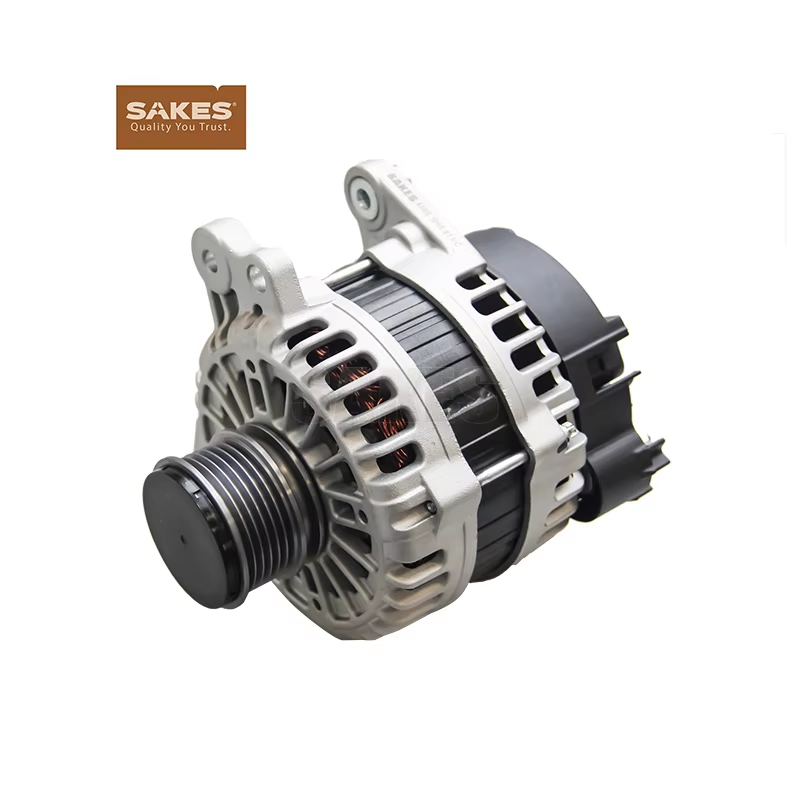
The Alternator as an Energy Conversion System A car alternator converts mechanical energy from the engine into electrical energy for the battery and vehicle systems. The conversion is not perfectly efficient — a typical alternator operates at...
VIEW MORE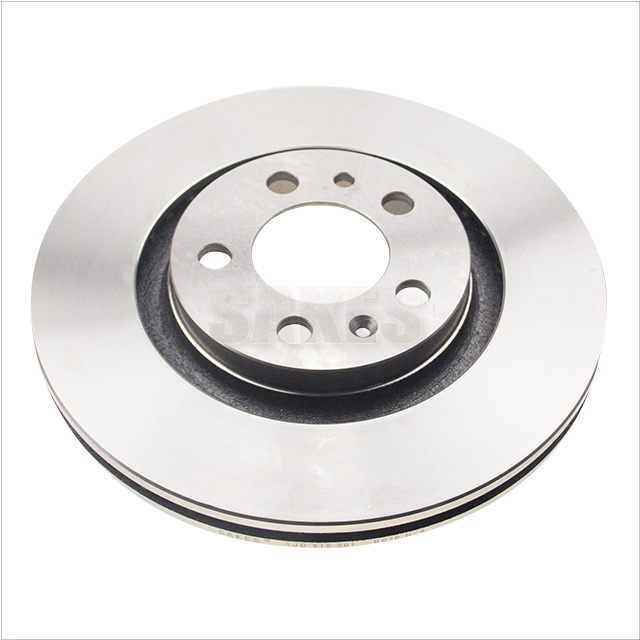
How Brake Discs Wear — The Mechanism A brake disc is an active friction surface converting kinetic energy into heat every time the vehicle slows. Hydraulic pressure forces pads against both faces of the rotating disc, generating temperatures ...
VIEW MORE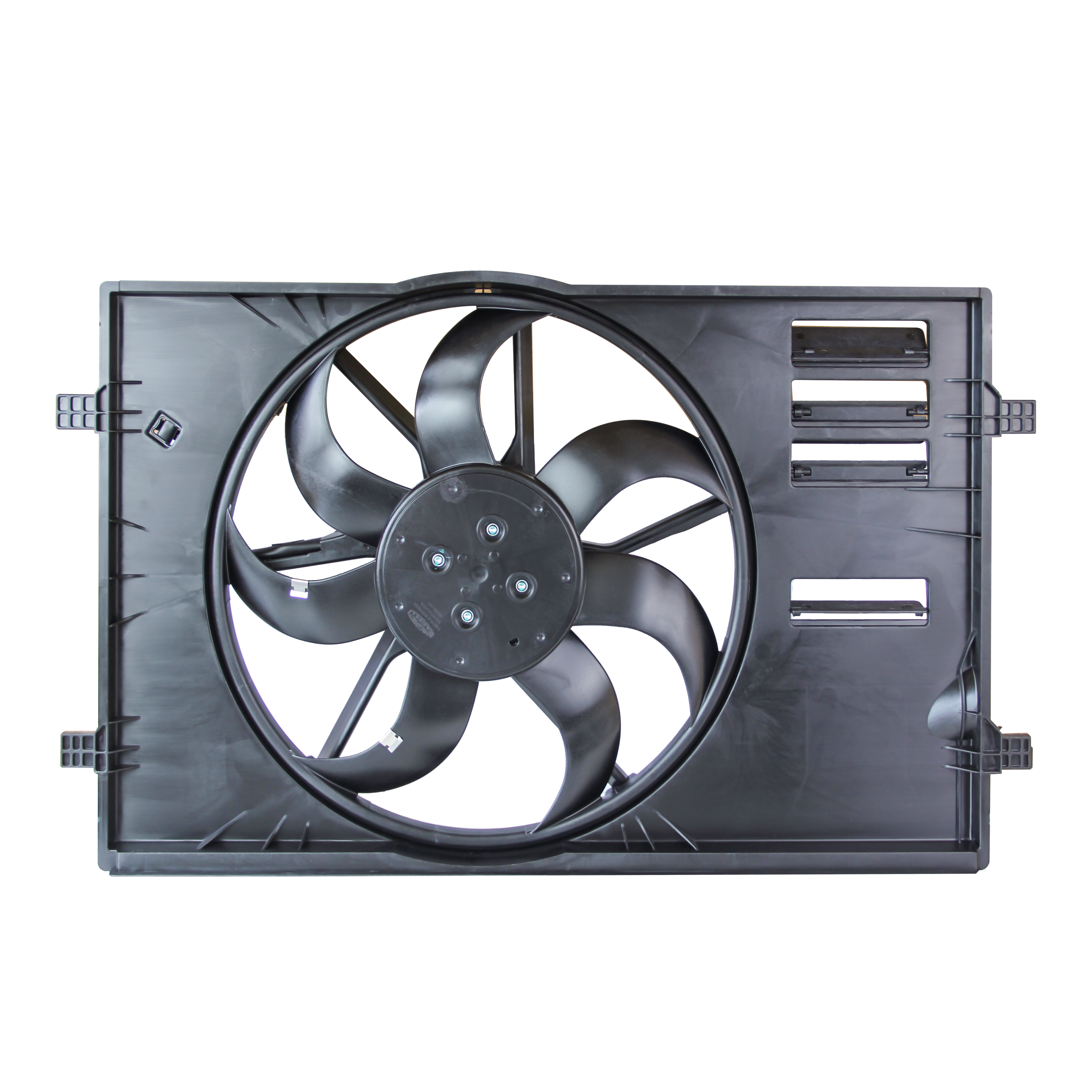
The Radiator Fan System — Components and Failure Points An engine temperature gauge climbing toward red while in traffic is the moment a driver realizes the radiator fan has stopped. The system is not one component — it is fou...
VIEW MORE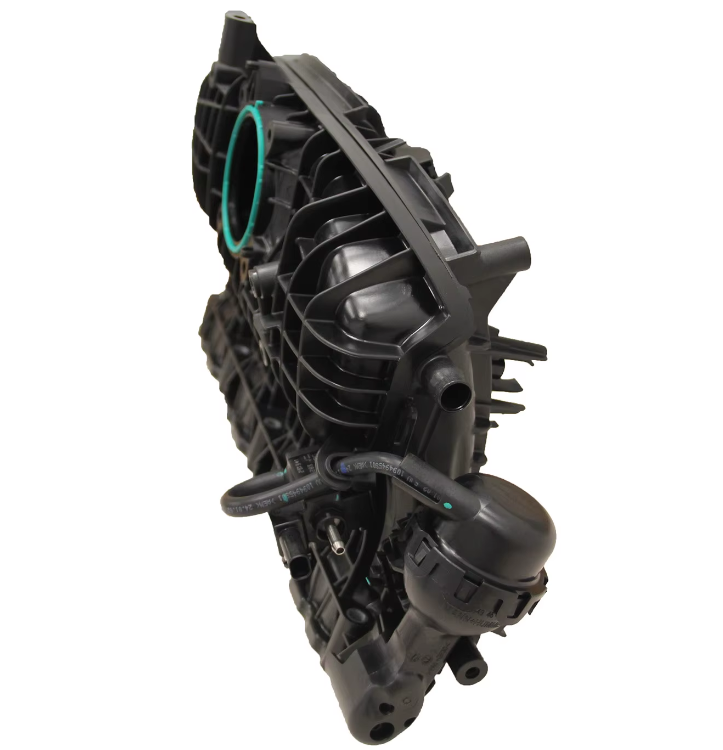
Why Standard Outdoor Fence Panels Often Fall Short on Privacy Property owners install outdoor fence panels for a variety of reasons — security, boundary definition, animal containment, and aesthetic appeal. Privacy rarely ranks as t...
VIEW MORE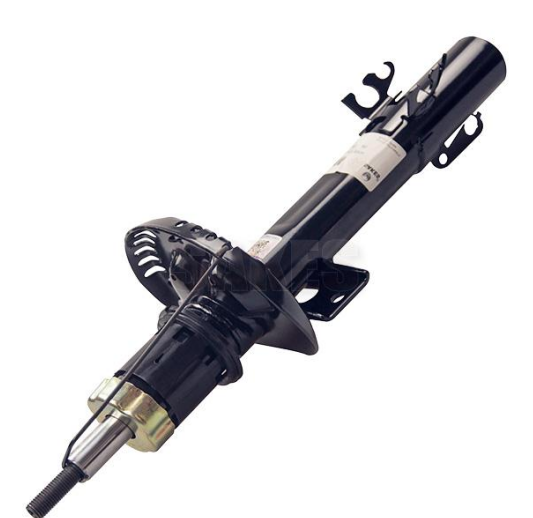
Navigating Engine Performance Issues and Sourcing Risks Understanding Common Ignition System Failures Maintaining vehicle reliability requires an ongoing commitment to uncovering hidden mechanical errors before they lead to complete failure. In moder...
VIEW MORE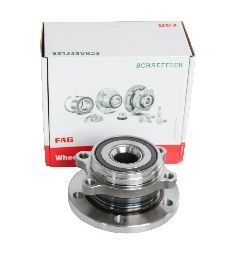
Core Material Properties That Define Shock Absorber QualityDamping Ratio and Energy Dissipation: Why Viscoelastic Behavior Is Non-NegotiableA material’s damping ratio quantifies its ability to convert kinetic energy into heat—rather than reflecting o...
VIEW MORE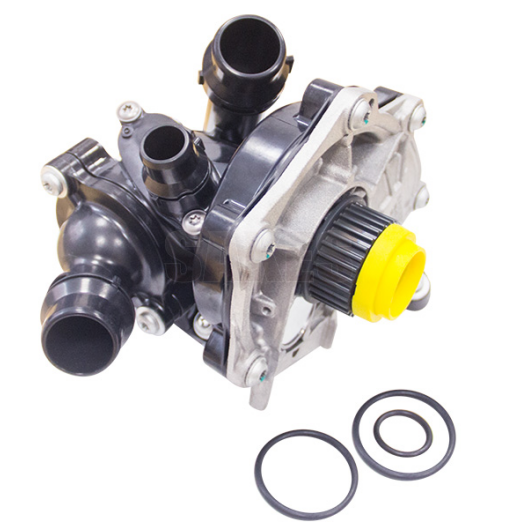
Key Warning Signs Your Oil Separator Needs ReplacementRough Idle and Intake System ContaminationA failing oil separator often first reveals itself through a rough idle. When the separator loses efficiency, unfiltered oil vapor enters the intake manif...
VIEW MORE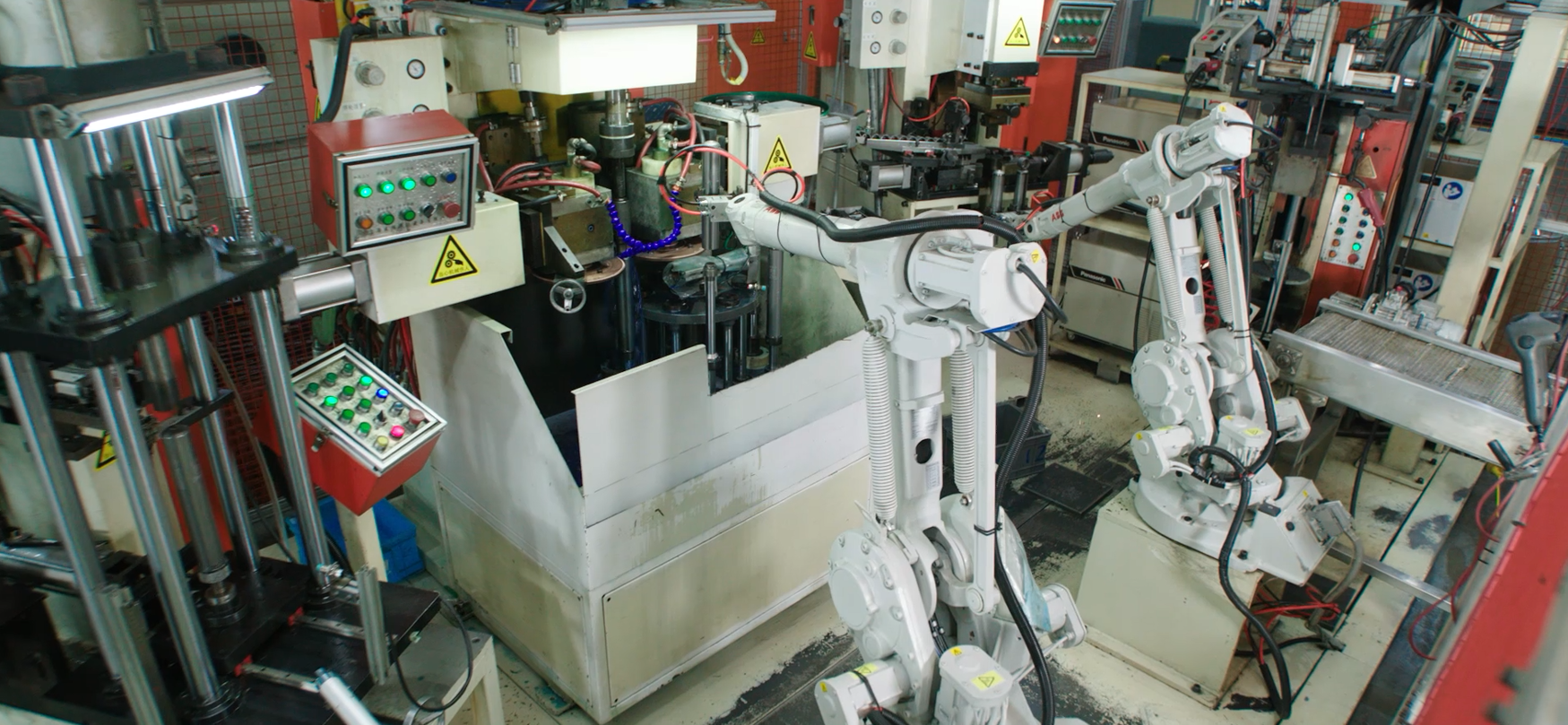
Visual Inspection of the Car AlternatorA thorough visual inspection is the first critical step in diagnosing potential car alternator problems. Begin by ensuring the engine is off and cool, and disconnect the battery to prevent accidental electrical ...
VIEW MORE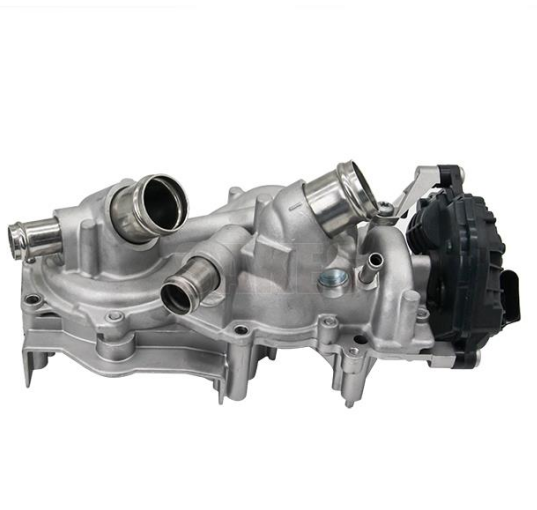
How Radiator Fans Work: Core Function and Cooling System IntegrationRadiator fans maintain optimal engine temperatures by actively managing airflow through the radiator core. As coolant circulates through the engine block, it absorbs excess heat befo...
VIEW MORE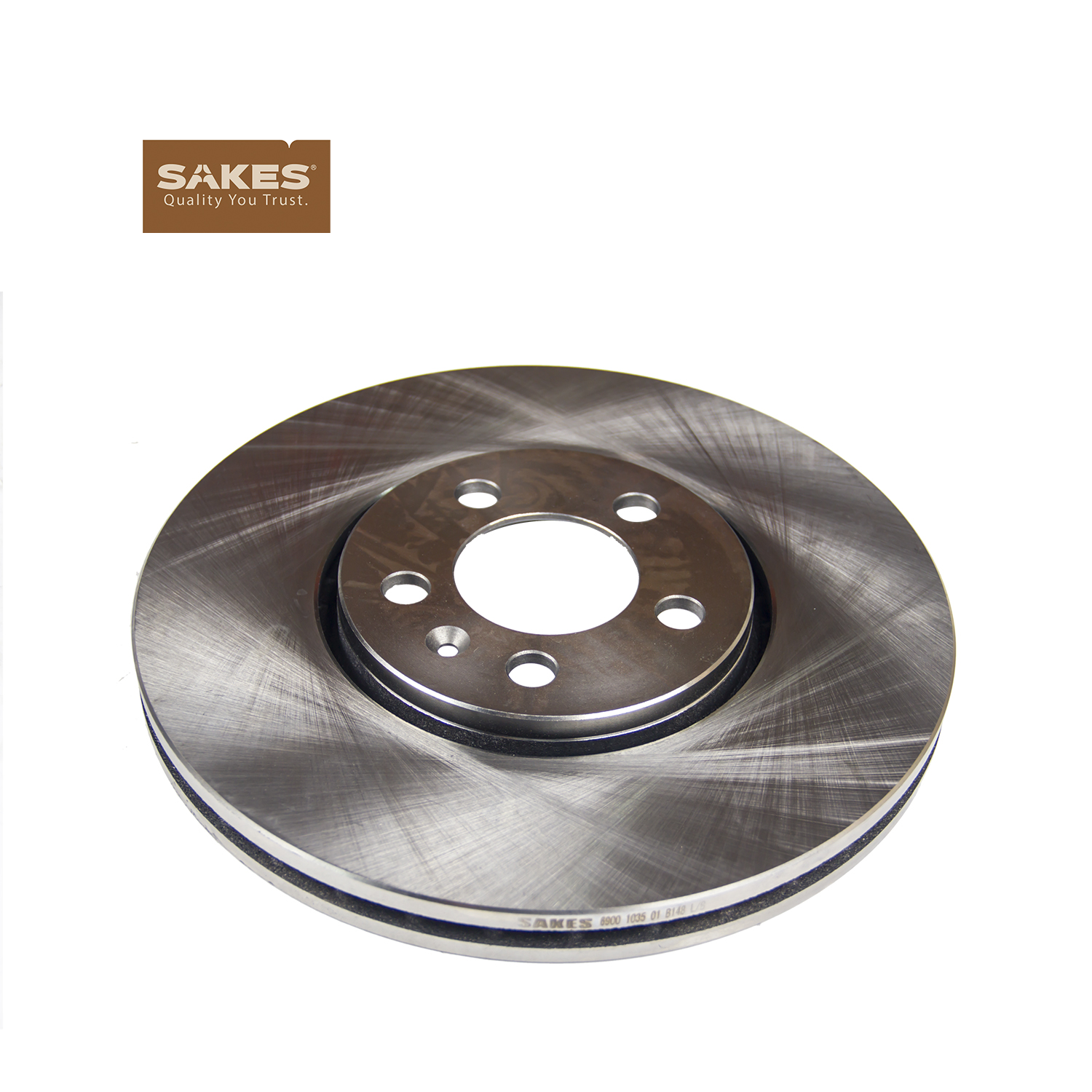
Understanding Brake Disc Wear and When to Replace Them Mileage-Based Recommendations and Key Variables Under normal driving conditions, brake discs last between 50,000 and 70,000 miles. This can change for several reasons: Driving habits: Braking a...
VIEW MORE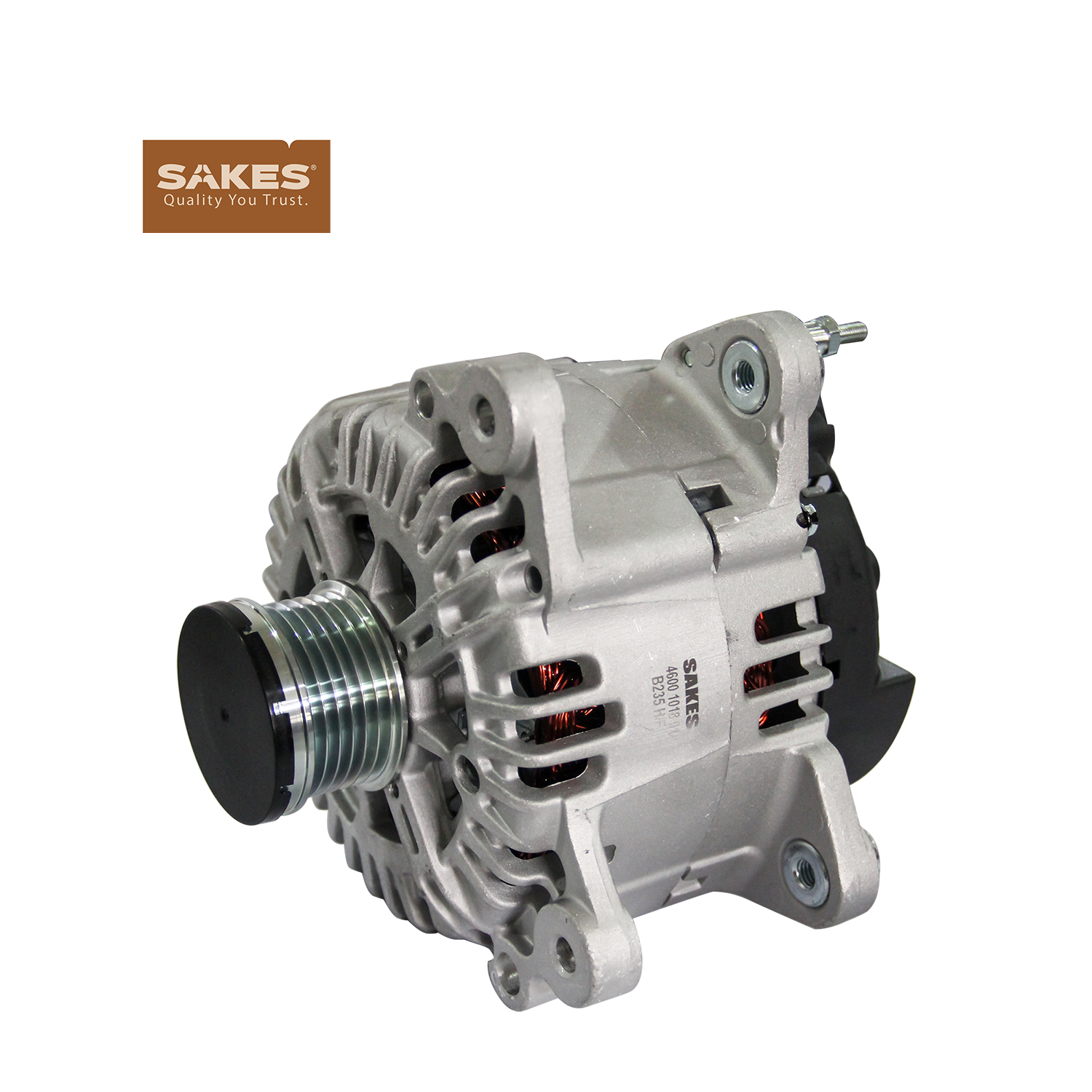
Electrical Failures: Voltage Regulator and Diode BreakdownHow a faulty voltage regulator causes inconsistent car alternator outputWhen a voltage regulator starts acting up, it messes with how the stator current works, which makes the alternator outpu...
VIEW MORE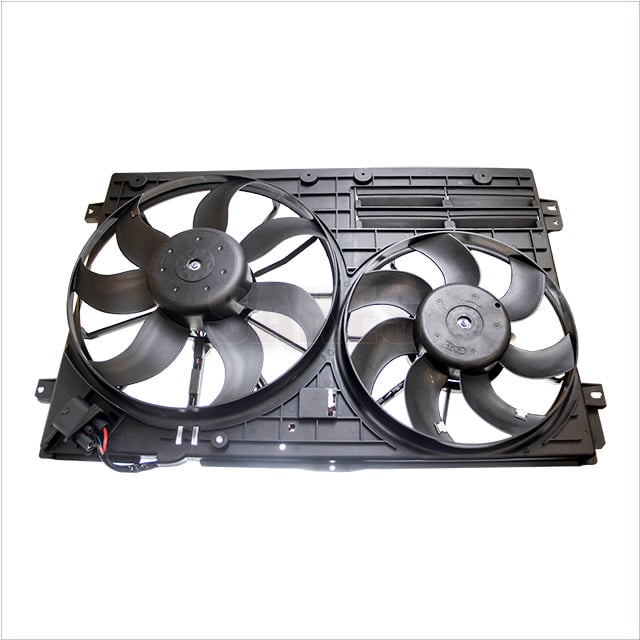
Assess Your Engine's Thermal Load to Determine Required Radiator Fan CFMCalculate Minimum CFM Based on Engine Displacement and Heat OutputTo figure out what size radiator fan we need at minimum, start looking at our engine's displacement al...
VIEW MORE EN