
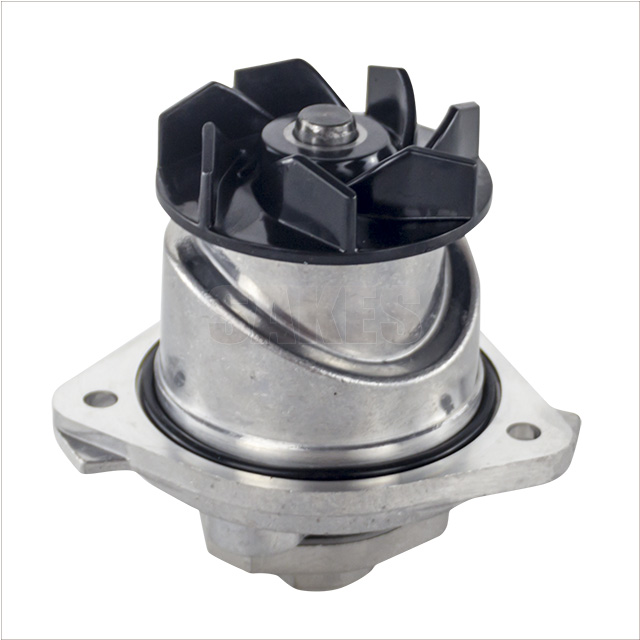
Confirm Vehicle-Specific Compatibility First Why VIN and Year-Make-Model Are Essential for Accurate Car Water Pump Selection A car water pump may look identical across trims, but casting depth, pulley offset, and inlet diameter often change by prod...
VIEW MORE
Why Oil Coolers Fail: Common Causes and Early Warning Signs Thermal cycling, corrosion, and vibration fatigue in aluminum and brazed-core oil coolers Repeated thermal cycling is the primary aging mechanism in aluminum and brazed-core oil coolers. E...
VIEW MORE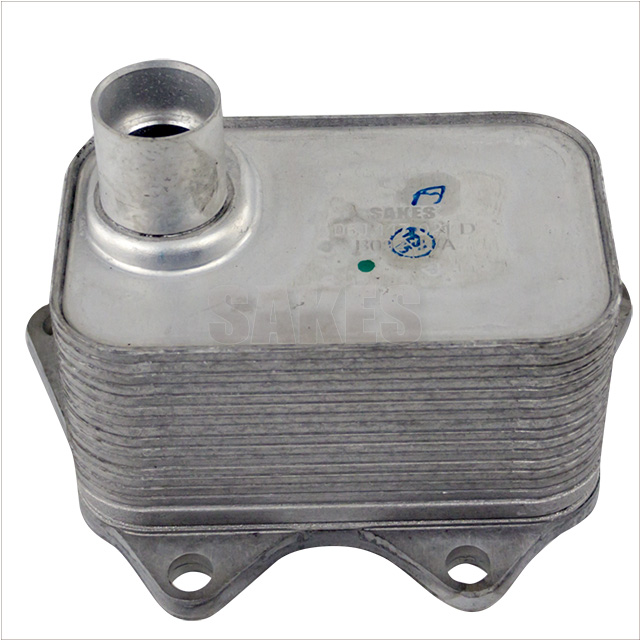
Understand Engine Thermal Load to Size Your Oil Cooler Why thermal load—not just engine type—dictates oil cooler capacity Motor oil performs optimally between 180°F and 220°F (82°C–104°C). Above ~300°F (149°...
VIEW MORE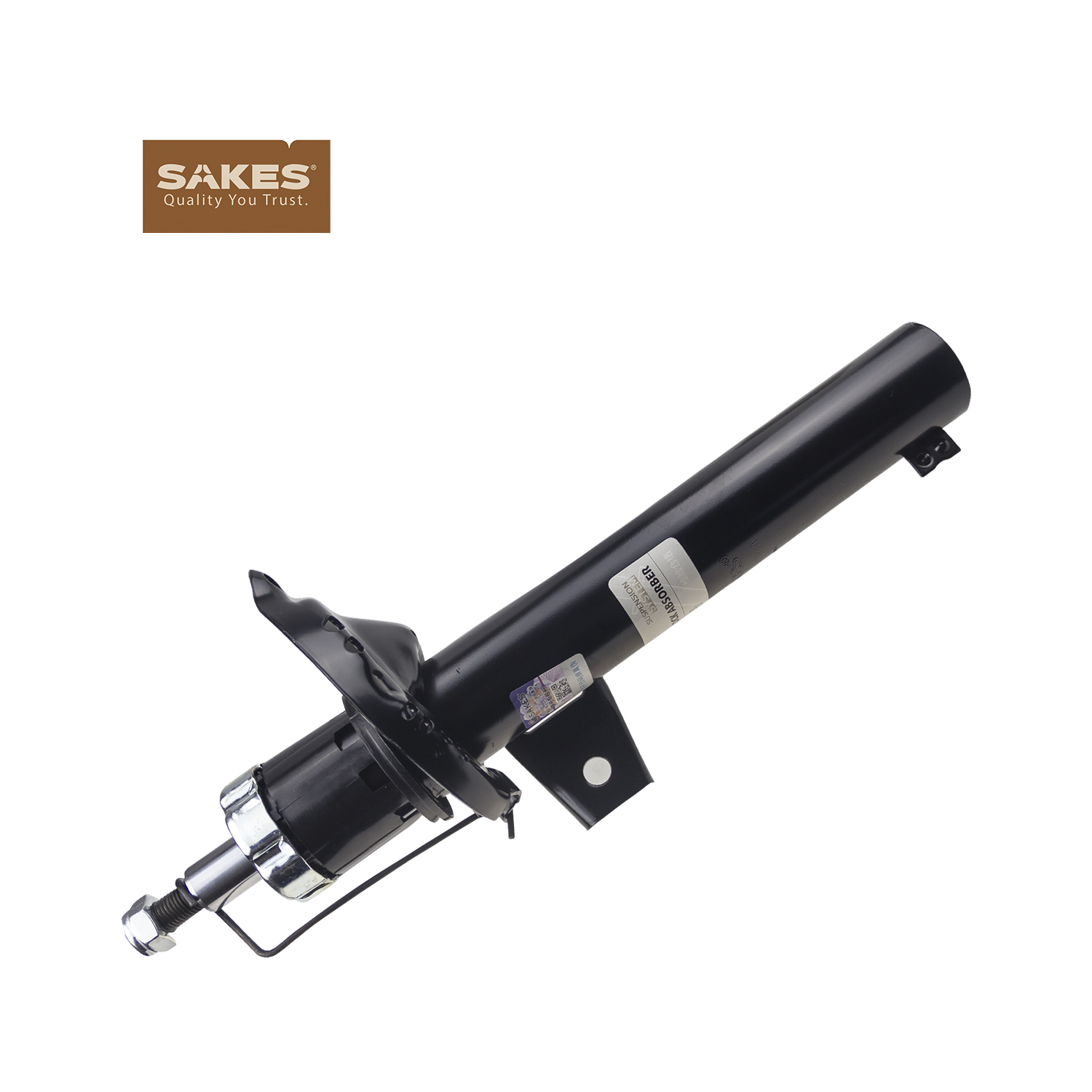
How Piston Velocity Shapes Shock Absorber Damping Force Nonlinear Damping Curves: Why Force Isn’t Proportional to Velocity Damping force in a shock absorber does not scale linearly with piston velocity. Instead, it follows a nonlinear force-v...
VIEW MORE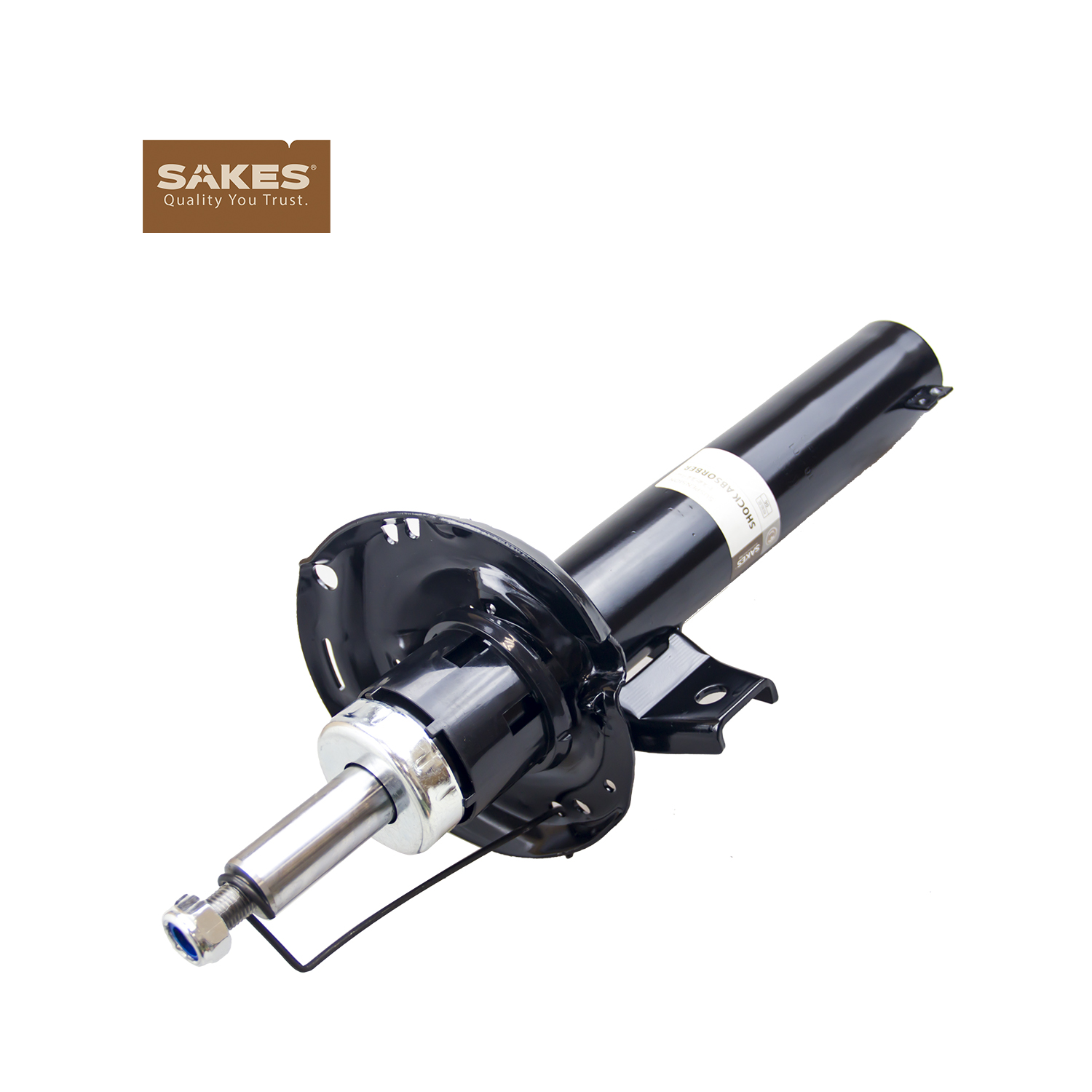
Rebound is the half of the damping stroke that returns the wheel to the road, and a shock absorber that rebounds abnormally has usually lost the control that half provides. The causes are internal and external, and the external ones are cheaper and...
VIEW MORE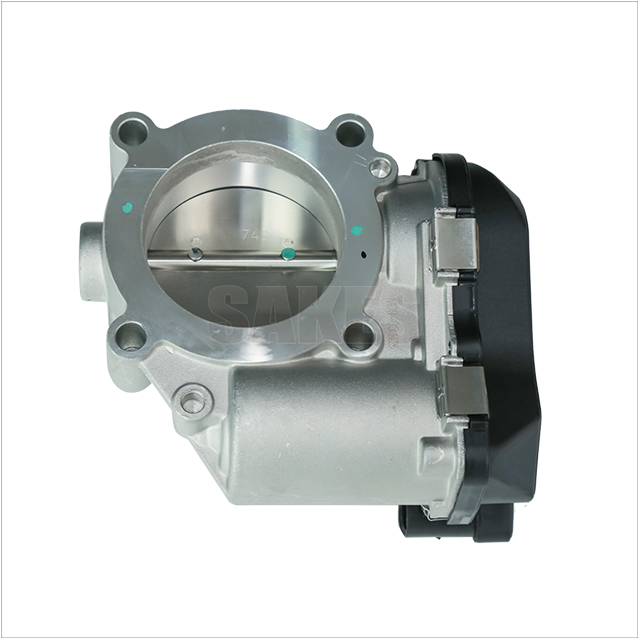
The metered air is what the fuel injection system meters against, so a plate that is not closing cleanly changes the mixture as well as the idle. A throttle body that jams turns a smooth engine into an unpredictable one, because the air supply stop...
VIEW MORE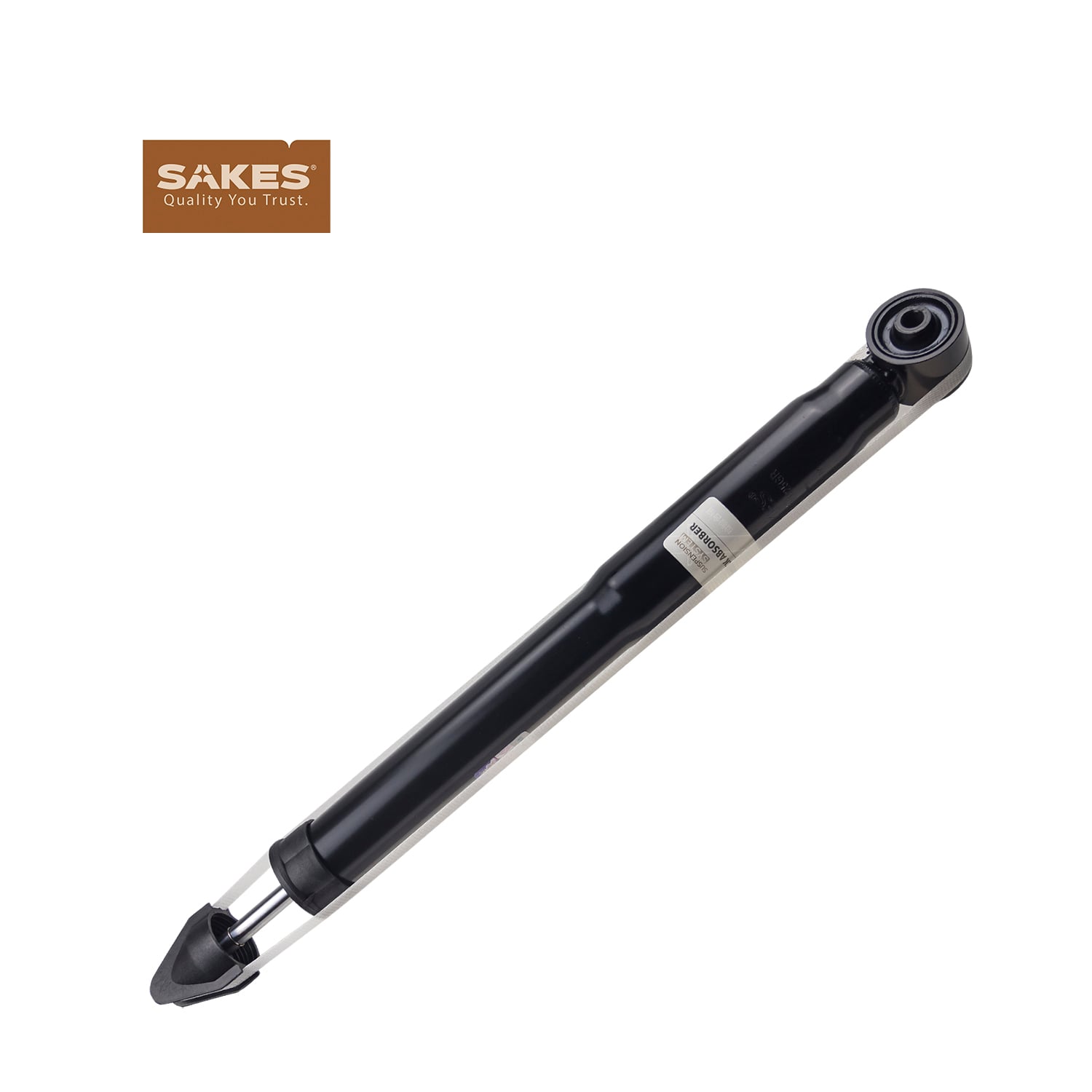
A failing shock absorber rarely announces itself, because the loss of damping is gradual and the driver adapts to it. The gap between a unit that is caught early and one that is caught after it has damaged the tyres and the springs sits in a system...
VIEW MORE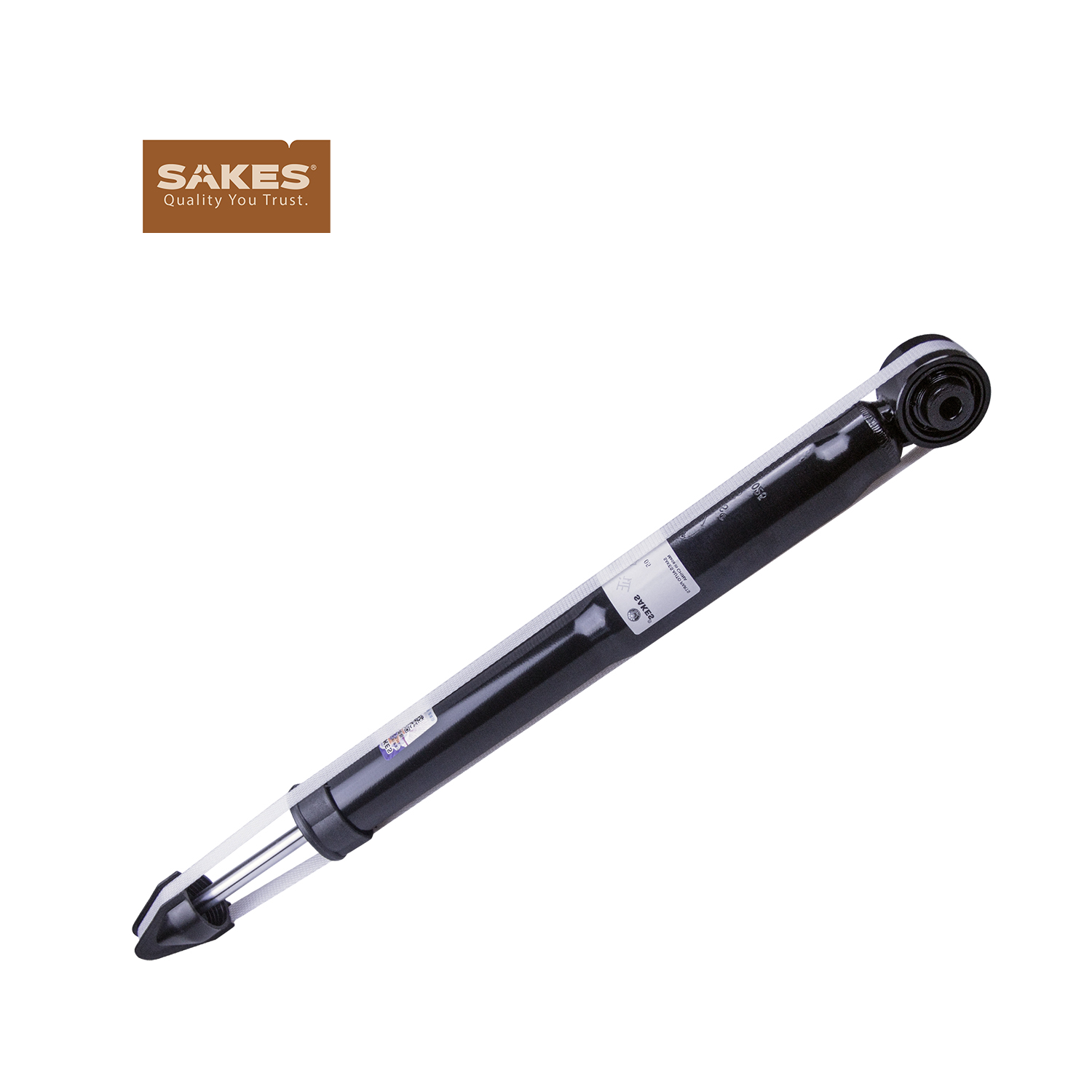
How to Choose Shock Absorbers for SUVs An SUV works its suspension harder than a car does, because the load, the ride height, and the terrain all increase the demand on the damper. The gap between a shock absorber that suits the vehicle and one tha...
VIEW MORE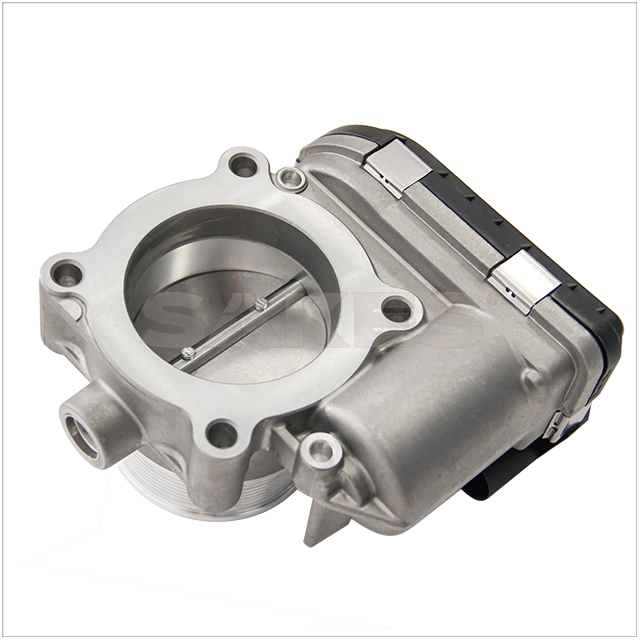
Recognizing the Key Signs a Throttle Body Needs Cleaning Unexplained Idle Instability, Stalling, or Rough Idling A dirty throttle body often first reveals itself through erratic idle behavior. Carbon and oily residue coat the butterfly valve—...
VIEW MORE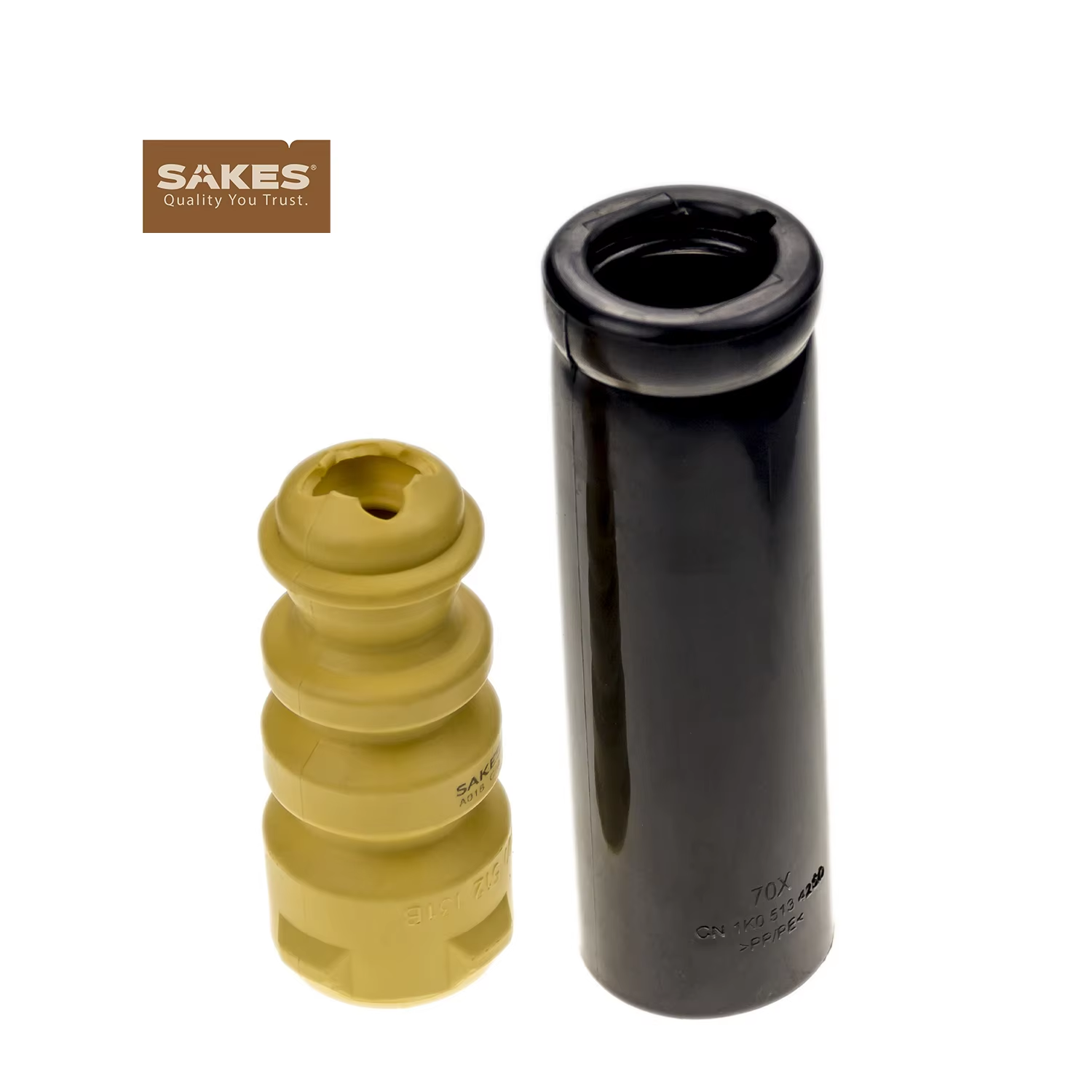
A Wrong Damper That Ruined the Ride A driver fitted stiff race shocks to a daily commuter. The car chattered over seams, the tires lost contact on bumps, and cabin noise rose. The shock absorber was built for track load, not potholes. Swapping to a...
VIEW MORE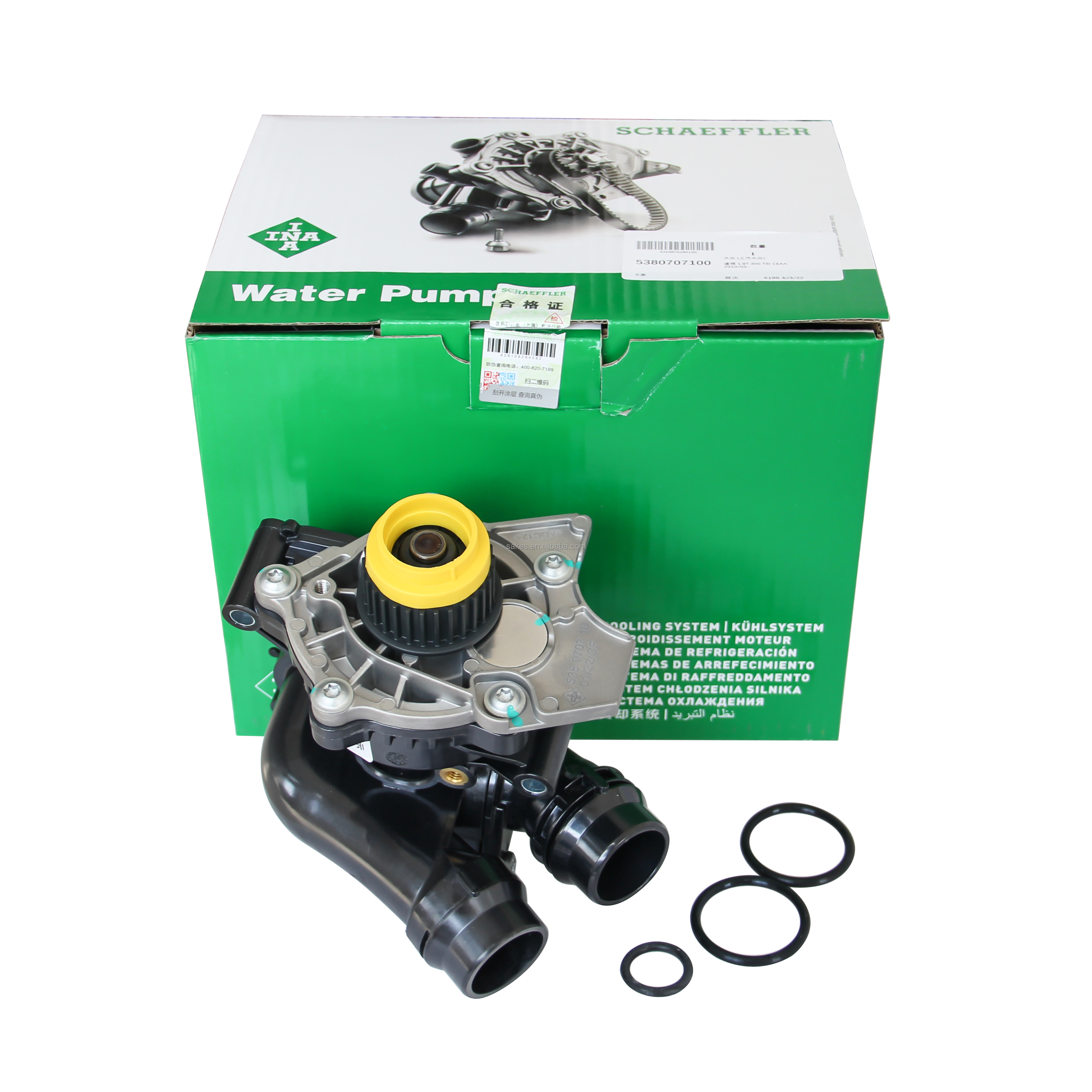
Caught by a Dashboard, Not a Breakdown A driver noticed the temperature gauge climbing only in slow traffic. A scan showed coolant at 108°C while moving, 118°C when stopped. The car water pump was not moving enough volume at low rpm. The we...
VIEW MORE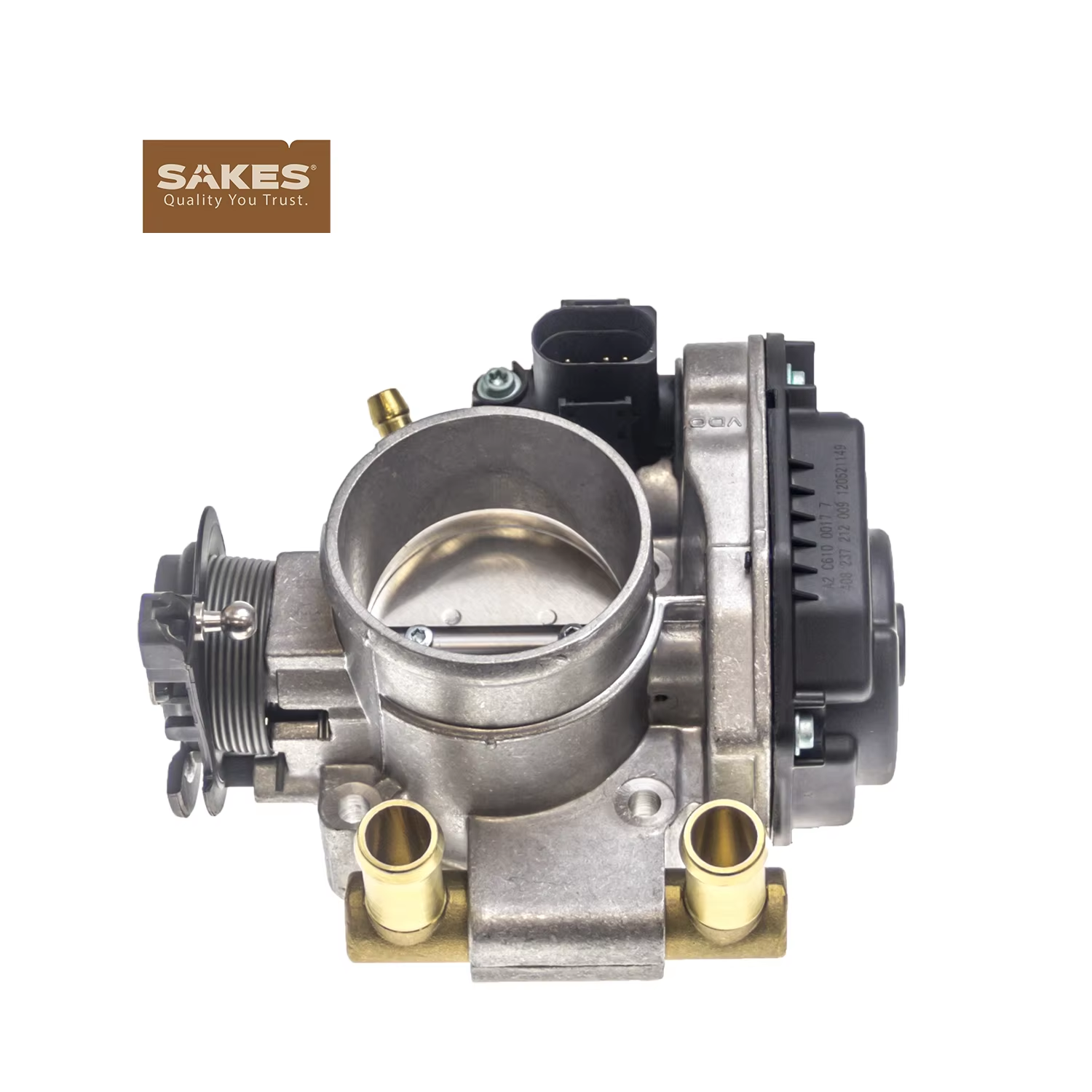
A Mismatched Swap That Triggered Limp Mode A tuner dropped a larger throttle body onto a drive-by-wire engine without matching the actuator. The ECU saw a position error between commanded and actual plate angle and locked the car into limp mode. Th...
VIEW MORE EN